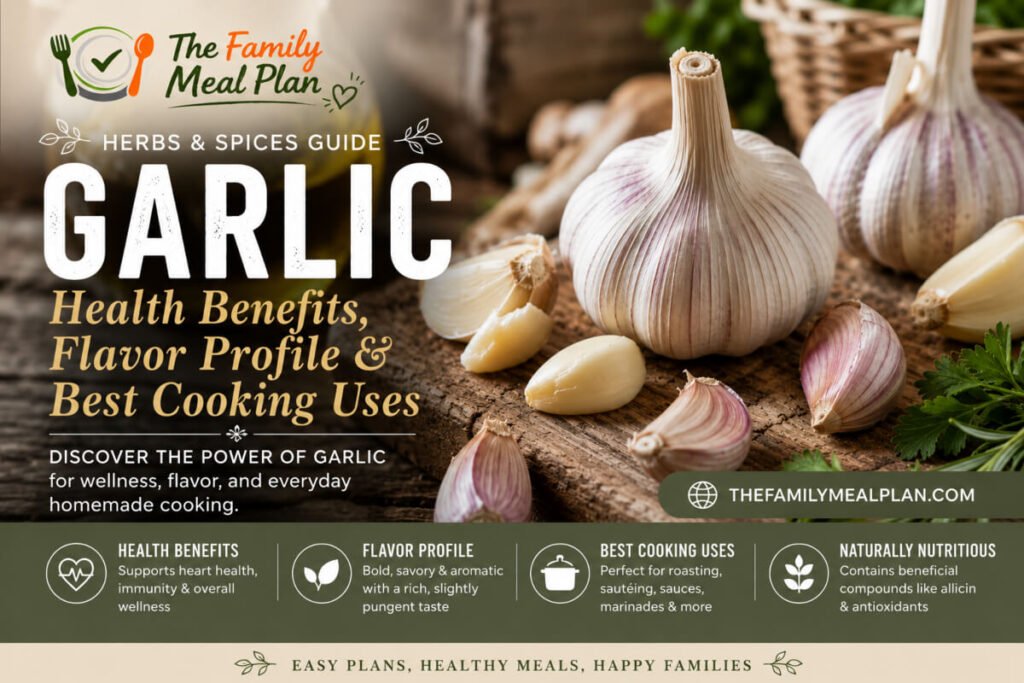
Garlic
Recognized for more than 10 widely discussed health benefits, garlic has earned a reputation as one of the most researched functional food ingredients in modern nutrition and wellness discussions. Naturally occurring compounds such as allicin, ajoene, diallyl sulfides, flavonoids, and sulfur-rich antioxidants are associated with cardiovascular wellness, healthy circulation, immune support, antioxidant protection, healthy blood pressure, cholesterol-conscious nutrition, digestive wellness, gut-friendly eating habits, anti-inflammatory lifestyles, metabolic health, and healthy aging practices.
Carefully harvested at full maturity and cured to help preserve its potent sulfur-containing compounds, garlic develops much of its distinctive aroma, flavor, and wellness-supportive reputation during the drying and storage process. Fresh garlic is often valued for its concentrated allicin content, while roasted garlic offers a milder flavor profile that continues to complement health-conscious whole-food cooking traditions centered around nourishing ingredients and balanced meals.
Throughout Mediterranean, Italian, Greek, Middle Eastern, and Asian food cultures, garlic has long been valued not only for its bold savory flavor but also for its association with wellness-focused eating habits built around nutrient-dense foods and ingredient-focused home cooking. Modern research continues to explore garlic’s naturally occurring compounds in relation to heart health, immune function, circulation, cellular wellness, and overall healthy lifestyle nutrition.
Today, garlic remains one of the most widely used ingredients in healthy recipes, family dinners, meal prep recipes, Mediterranean-inspired cooking, vegetable-forward meals, soups, sauces, roasted dishes, and balanced homemade cooking because it offers both exceptional flavor and one of the most recognized health-supportive reputations in the entire herbs and spices category.
Why Garlic Matters in Healthy Cooking
Garlic sits at the intersection of flavor, nutrition, wellness-focused eating habits, and practical home cooking.
While many ingredients contribute either flavor or nutritional interest, garlic remains unique because it consistently delivers both. Its bold savory flavor helps transform simple ingredients into satisfying meals, while its naturally occurring sulfur-containing compounds continue attracting attention throughout modern nutrition research.
Researchers have studied garlic more extensively than almost any other culinary ingredient because it contains a remarkable collection of bioactive compounds, including allicin, ajoene, diallyl sulfides, and other organosulfur compounds. These naturally occurring substances have been explored in relation to cardiovascular wellness, healthy circulation, immune support, antioxidant activity, healthy aging, digestive wellness, metabolic health, and overall dietary quality.
For centuries, garlic has been valued throughout Mediterranean, Asian, Middle Eastern, African, and European food traditions. Long before modern research existed, garlic was widely incorporated into everyday cooking because of its flavor, versatility, and long-standing association with wellness-focused eating habits.
Today, modern nutrition research continues exploring many of the same compounds that helped establish garlic as one of the world’s most respected functional food ingredients.
Explore More Family Meal Plan Resources
This is one reason garlic appears so frequently throughout our:
● Meal Prep Recipes & Planning
as well as Mediterranean-inspired meals, vegetable-forward recipes, homemade sauces and marinades, soups, stews, roasted vegetable dishes, and practical family cooking guides.
Garlic’s ability to enhance flavor naturally may also help encourage greater enjoyment of nutrient-dense foods. Vegetables, legumes, lean proteins, grain bowls, soups, sauces, and homemade meals often become more satisfying when seasoned with garlic, making healthy eating patterns easier to maintain over time.
Unlike highly processed flavor enhancers, garlic contributes depth, aroma, and complexity while remaining a simple whole-food ingredient that fits naturally into balanced dietary patterns centered around vegetables, fruits, legumes, whole grains, healthy fats, and minimally processed foods.
Garlic also pairs exceptionally well with Onion Powder, Black Pepper, Paprika, Sea Salt, Kosher Salt, Oregano, Thyme, Rosemary, and Parsley, helping create balanced flavor profiles across countless healthy recipes and homemade meals.
Whether your goal is improving everyday nutrition, building more flavor naturally, creating healthier homemade meals, reducing reliance on highly processed ingredients, or becoming a more confident home cook, garlic remains one of the most valuable ingredients to understand and use regularly.
Its unique combination of culinary versatility, naturally occurring sulfur compounds, extensive research interest, and practical everyday usefulness helps explain why garlic continues to serve as a foundation of healthy home cooking throughout the world.
💡 Understanding garlic goes beyond learning how to season a recipe. It means understanding why one of the world’s oldest and most researched food ingredients continues to play an important role in both wellness-focused nutrition and flavorful home cooking.
Quick Health Benefit Highlights
● Recognized for more than 10 widely discussed areas of health interest
● Commonly associated with cardiovascular wellness and healthy circulation
● Frequently linked to healthy blood pressure and heart-conscious nutrition
● Contains allicin and sulfur-containing compounds associated with immune support
● Rich in antioxidant compounds that support cellular wellness
● Often connected to anti-inflammatory eating habits
● Associated with digestive wellness and gut-friendly nutrition
● Frequently included in Mediterranean-style eating patterns linked to longevity
● Recognized for antimicrobial and wellness-supportive plant compounds
● Supports ingredient-focused cooking built around nutrient-dense whole foods
● One of the most researched functional food ingredients in modern nutrition discussions
💡 Much of the scientific interest surrounding garlic centers on allicin, ajoene, diallyl sulfides, S-allyl cysteine, and other organosulfur compounds that continue attracting research attention in cardiovascular wellness, immune health, antioxidant protection, circulation, and healthy aging discussions.
Save This Garlic Guide For Later
Before exploring garlic’s nutrition facts, plant compounds, and complete health benefits guide below, save this reference so you can quickly return to garlic wellness information, flavor pairings, cooking methods, storage tips, and practical ways to use garlic in healthy homemade meals.
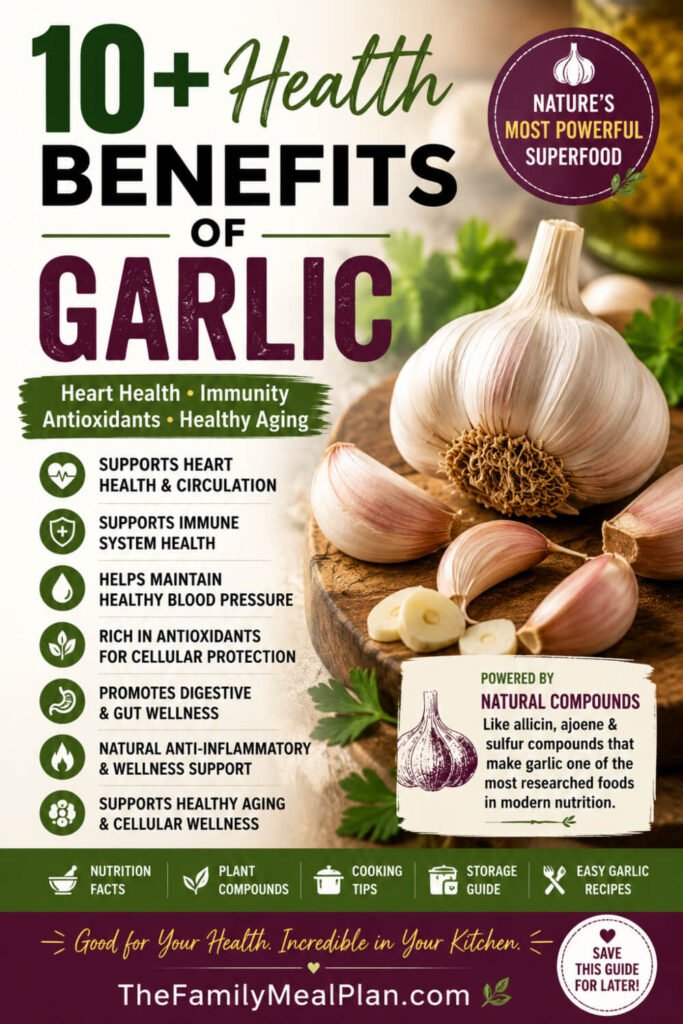
Garlic has earned a reputation as one of the most researched ingredients in wellness-focused nutrition because it is associated with cardiovascular wellness, immune support, antioxidant protection, healthy circulation, digestive wellness, and healthy aging. Continue reading to discover the compounds, nutrition facts, and practical cooking applications that have made garlic a staple ingredient in health-conscious food traditions around the world.
💡 Beyond its bold savory flavor and everyday cooking versatility, garlic’s long-standing reputation in wellness-focused nutrition is closely connected to several naturally occurring sulfur-containing compounds commonly discussed in cardiovascular wellness, immune health, and antioxidant-rich eating habits.
10+ Health Benefits Commonly Associated with Garlic
Garlic is recognized for more than 10 widely discussed areas of health interest, making it one of the most researched ingredients in both traditional wellness practices and modern nutrition-focused lifestyles.
Much of this scientific attention centers on naturally occurring sulfur-containing compounds such as allicin, ajoene, diallyl sulfides, and other organosulfur compounds that contribute to garlic’s distinctive aroma, flavor, and wellness-focused reputation. Researchers continue studying these compounds because of their potential relationship to cardiovascular wellness, healthy circulation, immune function, antioxidant activity, healthy inflammatory responses, metabolic health, and overall dietary quality.
Unlike many culinary ingredients that are valued primarily for flavor, garlic occupies a unique position at the intersection of nutrition, wellness, and practical home cooking. It has been used throughout Mediterranean, Asian, Middle Eastern, and traditional food cultures for centuries, long before modern researchers began exploring the compounds responsible for its growing scientific interest.
While garlic should always be viewed as part of a balanced dietary pattern rather than a standalone solution, its long-standing connection to health-conscious eating habits has helped establish it as one of the most respected functional food ingredients used throughout the world.
Some of the most commonly discussed health benefits associated with garlic include:
1. Cardiovascular Wellness
Cardiovascular health remains one of the most frequently discussed topics throughout garlic research.
Researchers continue studying garlic’s sulfur-containing compounds because of their potential relationship to overall cardiovascular wellness. Much of this interest centers on allicin and related compounds that form when fresh garlic is chopped, crushed, or minced.
Heart-conscious dietary patterns often emphasize vegetables, fruits, legumes, whole grains, herbs, spices, and minimally processed foods. Garlic has long been included within many of these eating styles, particularly Mediterranean-inspired dietary traditions associated with long-term wellness.
Research discussions frequently explore garlic in relation to:
● Healthy circulation
● Vascular function
● Antioxidant protection
● Cardiovascular wellness
● Heart-conscious dietary patterns
Although garlic should never be viewed as a substitute for professional medical care, its long-standing association with cardiovascular wellness remains one of the primary reasons it continues attracting scientific attention.
2. Healthy Blood Pressure Support
Healthy blood pressure remains another major area of interest in garlic-related nutrition discussions.
Researchers continue exploring how garlic’s sulfur-containing compounds may interact with biological processes involved in cardiovascular function and circulation. Much of this interest focuses on garlic’s naturally occurring organosulfur compounds and their potential role within heart-conscious dietary patterns.
Healthy blood pressure discussions typically emphasize a broader lifestyle approach that includes:
● Fruits and vegetables
● Physical activity
● Healthy weight management
● Reduced reliance on highly processed foods
● Nutrient-dense whole-food eating habits
Garlic frequently appears within these wellness-focused dietary patterns because it contributes flavor naturally while supporting meals built around simple, wholesome ingredients.
3. Healthy Circulation
Garlic has a long history of association with healthy circulation throughout traditional food cultures.
Researchers continue investigating the relationship between garlic’s sulfur compounds and circulatory wellness, making circulation one of the most commonly discussed themes throughout garlic research.
Healthy circulation supports:
● Nutrient delivery
● Oxygen transport
● Physical activity
● Cardiovascular function
● Overall wellness
Because circulation is closely connected to cardiovascular health, many studies evaluate these topics together when examining garlic’s potential role within balanced dietary patterns.
4. Immune Health Support
Garlic’s connection to immune wellness has helped establish its reputation as one of the world’s most respected wellness-focused foods.
For centuries, garlic has appeared in traditional food cultures where it was valued not only for flavor but also for its perceived role in supporting overall health.
Modern researchers continue studying garlic’s sulfur-containing compounds, antioxidants, and plant nutrients because of their relationship to immune function and overall wellness.
Although garlic should not be viewed as an immune treatment, its naturally occurring compounds help explain why it remains one of the most commonly discussed foods in immune-supportive nutrition conversations.
5. Antioxidant Protection
One of the most consistently researched aspects of garlic involves its antioxidant activity.
Throughout normal metabolism, the body naturally produces unstable molecules known as free radicals. When excessive amounts accumulate, researchers associate them with oxidative stress, a process often discussed in relation to aging and long-term wellness.
Garlic contains several antioxidant-rich compounds that help explain its growing reputation within antioxidant-focused nutrition discussions.
Researchers frequently explore garlic’s relationship to:
● Cellular protection
● Oxidative balance
● Healthy aging
● Wellness-focused nutrition
● Antioxidant-rich dietary patterns
This antioxidant activity remains one of the strongest areas of scientific interest surrounding garlic.
6. Anti-Inflammatory Nutrition
Researchers continue studying how nutrition may help support healthy inflammatory balance throughout the body.
Garlic frequently appears in these discussions because it contains sulfur-containing compounds and antioxidant-rich plant compounds that continue attracting scientific attention.
While inflammation is a normal biological process, many wellness-focused dietary patterns emphasize foods rich in antioxidants, phytonutrients, herbs, spices, fruits, and vegetables.
Garlic remains one of the most frequently discussed ingredients within these broader anti-inflammatory nutrition conversations.
7. Digestive Wellness
Digestive health has long been associated with overall wellness.
Throughout history, garlic has appeared in traditional food cultures where digestive support was often viewed as an important part of maintaining health.
Modern research continues exploring how garlic’s naturally occurring compounds may interact with digestive processes and overall gastrointestinal wellness.
Although garlic is most commonly used as a culinary ingredient, its long-standing connection to digestive health remains one of the reasons it continues attracting scientific interest.
8. Gut-Friendly Eating Habits
The gut microbiome has become one of the most active areas of modern nutrition research.
Researchers continue exploring how dietary choices influence digestive health and the balance of microorganisms living within the digestive tract.
Garlic naturally contains compounds that have attracted attention within gut-health discussions, helping connect the ingredient to broader conversations surrounding:
● Digestive wellness
● Dietary quality
● Plant-rich nutrition
● Whole-food eating habits
● Long-term wellness
As interest in gut health continues growing, garlic remains a common ingredient in discussions surrounding nutrient-dense dietary patterns.
9. Cholesterol-Conscious Nutrition
Heart-conscious eating patterns frequently emphasize foods associated with cardiovascular wellness and cholesterol awareness.
Researchers continue exploring how garlic and its naturally occurring compounds may fit into dietary approaches designed to support long-term cardiovascular health.
While garlic should not be viewed as a direct cholesterol-lowering solution, it remains one of the most frequently studied ingredients within cholesterol-conscious nutrition discussions.
Its continued presence in Mediterranean-style dietary patterns helps explain why this topic remains an active area of scientific interest.
10. Healthy Aging & Cellular Wellness
Healthy aging discussions often focus on reducing oxidative stress and supporting long-term cellular function.
Because garlic contains antioxidant-rich compounds and sulfur-containing plant compounds, researchers continue exploring its relationship to healthy aging strategies and wellness-focused nutrition.
Colorful vegetables, fruits, herbs, spices, and nutrient-dense whole foods remain common themes throughout healthy aging recommendations.
Garlic fits naturally within these dietary approaches while contributing both flavor and nutritional interest.
11. Metabolic Health Research
Another growing area of interest involves garlic’s potential relationship to metabolic wellness.
Researchers continue studying how garlic’s naturally occurring compounds may interact with:
● Energy metabolism
● Blood sugar regulation
● Insulin function
● Weight-management discussions
● Overall metabolic health
While many findings remain under active investigation, garlic continues appearing throughout discussions focused on nutrition, metabolic wellness, and healthier lifestyle habits.
Garlic Supports Flavorful Whole-Food Eating Habits
One of garlic’s most practical benefits may simply be its ability to make nutritious foods taste better.
Vegetables, legumes, lean proteins, soups, grain bowls, sauces, and homemade meals often become more enjoyable when properly seasoned with flavorful ingredients like garlic.
By helping create satisfying flavor without excessive reliance on highly processed ingredients, garlic supports ingredient-focused cooking and long-term healthy eating habits.
For many families, better flavor is often what makes healthier meals sustainable.
💡 While current garlic research frequently focuses on sulfur-containing compounds, cardiovascular wellness, immune support, antioxidant activity, healthy circulation, and healthy aging discussions, researchers continue exploring additional ways garlic’s naturally occurring compounds may contribute to overall health and wellness.
Naturally Occurring Compounds in Garlic
Garlic contains several naturally occurring sulfur-containing compounds and plant nutrients commonly linked to cardiovascular wellness, healthy circulation, immune health, antioxidant activity, and healthier eating habits.
Some of the most recognized compounds found in garlic include:
- Allicin — commonly linked to cardiovascular wellness, antioxidant activity, and supporting healthy circulation
- Ajoene — frequently studied for immune health and heart-health-focused nutrition
- Diallyl sulfides — commonly associated with antioxidant activity and cellular wellness
- Flavonoids — plant compounds linked to antioxidant-rich nutrition and healthier eating habits
- Sulfur compounds — widely recognized for their role in garlic’s strong aroma, bold flavor, and wellness-focused reputation
💡 While garlic’s naturally occurring compounds contribute to its wellness-focused reputation, the way garlic is prepared and cooked also dramatically changes its flavor intensity, aroma, texture, and overall cooking use.
Fresh Garlic vs Roasted Garlic vs Garlic Powder
Fresh garlic is commonly preferred for:
- marinades
- dressings
- sautéed vegetables
- sauces
- soups
- roasted dishes
because it provides the strongest aroma, boldest flavor, and sharpest garlic intensity during cooking.
Roasted garlic is often used in:
- mashed potatoes
- roasted vegetables
- pasta dishes
- spreads
- soups
- Mediterranean-inspired meals
where its softer sweeter flavor helps create smoother savory richness without overpowering other ingredients.
Garlic powder and granulated garlic are also popular pantry staples because they provide convenient flavor enhancement for:
- seasoning blends
- sheet pan dinners
- grilled proteins
- roasted vegetables
- quick sauces
- weeknight meals
while still supporting flavorful cooking built around simple ingredient-focused meals.
Because each form of garlic delivers different flavor intensity and cooking characteristics, many home cooks use fresh, roasted, and powdered garlic together depending on the recipe, cooking method, and desired flavor depth.
Garlic Pairs Especially Well With
- chicken
- beef
- seafood
- pasta
- rice
- vegetables
- soups
- sauces
- marinades
- olive oil
- potatoes
- legumes
Its ability to create rich savory depth without requiring complicated preparation is one reason garlic appears so frequently across Mediterranean-inspired cooking, rustic comfort-food recipes, vegetable-forward meals, and health-conscious eating styles throughout the world.
Best Herbs & Spices to Pair With Garlic
Garlic pairs naturally with many foundational herbs and spices commonly used throughout Mediterranean-inspired cooking, homemade comfort-food recipes, roasted vegetable dishes, soups, marinades, sauces, and balanced family meals.
Some of the most popular seasonings commonly paired with garlic include:
- Black pepper — helps add warmth and savory contrast
- Paprika — adds smoky richness and deeper color
- Onion powder — helps create balanced savory flavor foundations
- Rosemary — commonly paired with roasted meats and potatoes
- Thyme — helps add earthy herb flavor to soups and roasted dishes
- Oregano — frequently used in Mediterranean-inspired sauces and marinades
- Parsley — helps brighten rich garlic-forward meals
- Sea salt and kosher salt — enhance garlic’s natural savory depth
These seasoning combinations are widely used throughout Flavor & Seasoning Guides, Healthy Recipes, Family Dinners, roasted vegetable dishes, pasta meals, sheet pan dinners, grilled proteins, and practical homemade cooking built around simple ingredients.
💡 Garlic works especially well as a foundational flavor ingredient because it blends easily into both bold savory meals and lighter herb-forward cooking styles.
How to Store Garlic
Fresh garlic is best stored in a cool, dry, well-ventilated area away from direct sunlight and excess moisture. Whole garlic bulbs typically last longer when stored in open containers or mesh baskets that allow airflow rather than sealed plastic bags or airtight containers.
Once garlic cloves are peeled or minced, they should generally be refrigerated and used more quickly to help preserve freshness and flavor quality.
Roasted garlic can typically be stored in the refrigerator for several days when kept in an airtight container, while garlic powder and granulated garlic should be stored in a cool pantry away from heat and humidity to help preserve aroma and flavor strength.
Proper garlic storage helps maintain:
- stronger flavor
- fresher aroma
- better texture
- longer shelf life
- improved cooking quality
Many home cooks keep multiple forms of garlic available — including fresh garlic, roasted garlic, and garlic powder — because each offers different flavor intensity and practical cooking advantages depending on the recipe and cooking method.
💡 Garlic has remained one of the world’s most widely used pantry ingredients not only because of its bold savory flavor, but also because of its long-standing connection to heart health, immune wellness, healthy circulation, and health-conscious home cooking traditions.
Nutrition & Wellness Research
Garlic remains one of the most extensively studied food ingredients in modern nutrition research. Scientists continue investigating garlic’s naturally occurring sulfur-containing compounds, antioxidants, and bioactive plant substances because of their potential relationship to numerous aspects of health and wellness.
Much of the scientific interest surrounding garlic focuses on cardiovascular wellness, healthy circulation, blood pressure support, immune function, antioxidant activity, digestive wellness, healthy aging, cholesterol-conscious nutrition, metabolic health, and overall dietary quality. Researchers continue exploring these topics through laboratory studies, observational research, and controlled clinical investigations.
While garlic should never be viewed as a replacement for professional medical care, its long history of culinary use combined with decades of scientific interest has helped establish it as one of the most respected functional food ingredients studied today.
Areas of ongoing garlic research frequently include:
● Cardiovascular wellness and circulation
● Healthy blood pressure support
● Antioxidant activity and cellular protection
● Immune system function
● Cholesterol-conscious nutrition
● Healthy inflammatory responses
● Digestive wellness and gut health
● Metabolic health and blood sugar regulation
● Healthy aging and longevity research
● Organosulfur compound activity
As research continues evolving, garlic remains an important example of how everyday foods can contribute to broader discussions surrounding nutrition, wellness, and healthy lifestyle habits.
Garlic Research Sources
For readers interested in exploring more nutrition-focused research surrounding garlic, allicin compounds, ajoene, diallyl sulfides, antioxidant activity, cardiovascular wellness, and health-conscious eating habits:
💡 While garlic continues to attract attention for its naturally occurring sulfur-containing compounds, antioxidant activity, cardiovascular wellness discussions, immune-supportive nutrition, and healthy aging research, it remains equally valued for its remarkable ability to enhance flavor naturally in everyday cooking.
Few ingredients contribute the same combination of wellness-focused interest and culinary versatility. Garlic helps transform vegetables, legumes, lean proteins, soups, sauces, grain dishes, marinades, and homemade meals while supporting ingredient-focused cooking built around simple, wholesome foods.
This unique balance of flavor, tradition, and nutritional interest helps explain why garlic remains one of the most widely used and extensively researched ingredients in kitchens around the world.
Potential Cooking Benefits
- Adds deep savory flavor to proteins and vegetables
- Helps build richness in soups, sauces, and marinades
- Pairs well with chicken, beef, seafood, pasta, and grain dishes
- Works in both fresh and powdered form for flexible everyday cooking
- Commonly used in balanced meal prep and comforting homemade recipes
Best Garlic Recipes to Start With
New to cooking with garlic? These flavorful beginner-friendly recipes are great examples of how garlic helps create rich savory flavor, balanced seasoning, and comforting homemade meals using simple ingredients.
- Creamy Garlic Chicken Pasta — a rich comforting pasta dish where garlic helps build deep savory flavor throughout the creamy sauce.
- Healthy Lemon Garlic Chicken — combines garlic, lemon, and herbs for a lighter Mediterranean-inspired meal with bright balanced flavor.
- Easy Baked Lemon Herb Salmon with Vegetables — showcases how garlic helps enhance roasted vegetables, fresh herbs, and balanced homemade seasoning in practical everyday cooking.
These recipes are excellent starting points for exploring how garlic can enhance soups, sauces, roasted vegetables, pasta dishes, skillet dinners, and practical homemade meals built around simple pantry ingredients.
Recipes Using Garlic
To see garlic used in practical everyday cooking, here are a few flavorful recipes where this foundational ingredient helps create rich savory depth, balanced seasoning, and comforting homemade flavor in health-conscious meals.
- One Pan Honey Garlic Chicken and Rice — garlic helps create rich savory flavor throughout the chicken, rice, and homemade honey garlic sauce while supporting balanced weeknight cooking.
- Cheesy Sausage Casserole — garlic adds deeper savory richness that helps balance creamy cheese sauces, roasted sausage, and comforting baked flavors.
- Teriyaki Beef Stir Fry — garlic helps build bold savory depth alongside soy sauce, vegetables, and quick stir fry flavor systems in practical weeknight cooking.
Garlic is frequently used in health-conscious cooking because it is commonly linked to cardiovascular wellness, healthy circulation, immune health, and anti-inflammatory eating habits due to naturally occurring compounds such as allicin, ajoene, and diallyl sulfides. Its bold savory flavor is one reason garlic remains widely used in Mediterranean-inspired meals, vegetable-forward dishes, and ingredient-focused home cooking.
💡 Understanding how foundational ingredients work is one of the easiest ways to build healthier, more flavorful meals. Garlic remains one of the most respected ingredients in healthy home cooking because it combines exceptional culinary versatility with naturally occurring compounds that continue to attract interest in nutrition, wellness, and whole-food eating discussions.
For centuries, garlic has been valued throughout cultures around the world for its ability to transform simple ingredients into flavorful meals while contributing naturally occurring compounds that continue to attract scientific interest.
Today, garlic remains a foundational ingredient in Mediterranean-inspired cooking, vegetable-forward meals, homemade sauces, soups, marinades, roasted vegetables, and countless family recipes.
Whether you’re building healthier meals, improving your cooking skills, or learning more about wellness-focused nutrition, garlic remains one of the most valuable pantry staples to understand and use regularly.
Continue Exploring Flavor & Seasoning Guides
Expand your knowledge of herbs, spices, seasonings, and wellness-focused cooking with our complete collection of Flavor & Seasoning Guides. Each guide explores health benefits, naturally occurring compounds, flavor profiles, cooking uses, storage recommendations, and practical ways to build healthier homemade meals.
Core Pantry Foundations
- Garlic: Health Benefits, Flavor Profile & Best Cooking Uses
- Onion Powder: Health Benefits, Flavor Profile & Best Cooking Uses
- Black Pepper: Health Benefits, Flavor Profile & Best Cooking Uses
- Sea Salt & Kosher Salt: Health Benefits, Flavor Profile & Best Cooking Uses
- Paprika: Health Benefits, Flavor Profile & Best Cooking Uses
- Smoked Paprika: Health Benefits, Flavor Profile & Best Cooking Uses
- Chili Powder: Health Benefits, Flavor Profile & Best Cooking Uses
- Cumin: Health Benefits, Flavor Profile & Best Cooking Uses
- Turmeric: Health Benefits, Flavor Profile & Best Cooking Uses
- Cinnamon: Health Benefits, Flavor Profile & Best Cooking Uses
Fresh & Dried Culinary Herbs
- Basil: Health Benefits, Flavor Profile & Best Cooking Uses
- Parsley: Health Benefits, Flavor Profile & Best Cooking Uses
- Oregano: Health Benefits, Flavor Profile & Best Cooking Uses
- Thyme: Health Benefits, Flavor Profile & Best Cooking Uses
- Rosemary: Health Benefits, Flavor Profile & Best Cooking Uses
- Bay Leaves: Health Benefits, Flavor Profile & Best Cooking Uses
Each guide explores health benefits, naturally occurring compounds, flavor profiles, cooking uses, storage recommendations, research highlights, and practical ways to build healthier, more flavorful homemade meals.
Medical & Nutrition Disclaimer
This article is intended for educational and informational purposes only and should not be considered medical advice. Nutritional needs vary between individuals. Always consult a qualified healthcare professional regarding specific dietary concerns, sodium restrictions, medical conditions, or treatment decisions. The Family Meal Plan does not provide medical diagnosis, treatment, or individualized nutrition counseling.
💡 Learning how foundational ingredients work is one of the easiest ways to build healthier, more flavorful meals. Garlic remains a cornerstone of wellness-focused cooking because it provides bold flavor, naturally occurring sulfur-containing compounds, antioxidant-rich plant nutrients, and a long-standing connection to health-conscious food traditions built around simple, wholesome ingredients.
Cook Smarter with Herbs & Spices
Families cooking together makes home meals simpler, healthier, and more enjoyable.
Understanding how garlic contributes to flavor development, sulfur-containing compounds, antioxidant-rich nutrition, wellness-focused eating habits, and practical home cooking can help create meals that support both everyday health goals and greater confidence in the kitchen.
Whether you’re preparing quick weeknight dinners, roasting vegetables, seasoning proteins, building homemade sauces, meal prepping for the week ahead, or exploring Mediterranean-inspired cooking traditions, garlic remains one of the most valuable ingredients for both flavorful home cooking and health-conscious meal planning.
Join The Family Meal Plan
Simple, healthy meals don’t happen by accident—they happen with a plan.
Join The Family Meal Plan and receive easy family recipes, practical cooking tips, healthy meal ideas, and weekly meal plans designed to make dinner less stressful and more enjoyable.
Whether you’re building healthier habits, simplifying meal prep, improving your seasoning skills, or looking for new family dinner inspiration, we’re here to help you put flavorful, wholesome meals on the table with confidence.
Easy Plans, Healthy Meals, Happy Families.