
Black Pepper
Known as the “King of Spices,” black pepper has been prized for centuries not only for its bold flavor but also for its long-standing connection to wellness-focused nutrition and traditional food cultures around the world. Today, black pepper remains one of the most widely used seasonings in healthy home cooking because it provides both exceptional flavor enhancement and a growing body of research surrounding its naturally occurring plant compounds.
Much of the scientific interest surrounding black pepper centers on piperine, the compound responsible for its distinctive pungent flavor and aroma. Piperine has been widely studied for its potential role in antioxidant activity, nutrient absorption, digestive wellness, healthy inflammatory responses, and overall wellness-focused nutrition. In particular, black pepper has become well known for its ability to enhance the absorption of certain beneficial compounds, especially curcumin found in turmeric.
Carefully harvested from the berries of the Piper nigrum vine and dried through traditional curing methods, black pepper develops the characteristic flavor, aroma, and plant compounds that have made it one of the world’s most valuable spices. While many people think of black pepper as a simple table seasoning, it has historically been considered one of the most important ingredients in global trade, culinary traditions, and natural wellness practices.
Throughout Mediterranean, Indian, Middle Eastern, Asian, and European food cultures, black pepper has long been valued for its ability to build flavor naturally while complementing meals centered around vegetables, proteins, grains, legumes, and nutrient-dense whole foods. Modern nutrition research continues to explore black pepper’s naturally occurring compounds in relation to antioxidant activity, digestive health, nutrient bioavailability, cellular wellness, and healthy aging.
Today, black pepper remains a foundational ingredient in healthy recipes, family dinners, meal prep recipes, roasted vegetables, soups, sauces, marinades, Mediterranean-inspired cooking, and balanced homemade meals because it provides both remarkable versatility and one of the most researched plant compounds in the spice world.
Black Pepper: More Than Just a Table Seasoning
Walk into almost any kitchen in the world and you’ll likely find black pepper sitting beside the salt shaker. Because it is so familiar, many people rarely think twice about it. Yet few ingredients have had a greater impact on global cooking traditions or attracted more attention from modern nutrition researchers than this humble spice.
Unlike many seasonings that are used primarily for flavor, black pepper has become widely recognized for its naturally occurring compound called piperine. Researchers continue to explore piperine’s potential role in nutrient absorption, digestive wellness, healthy aging, metabolic health, and cognitive health, helping transform black pepper from a simple pantry staple into one of the most studied spices in modern nutrition discussions.
At the same time, black pepper remains one of the most versatile ingredients in everyday cooking. It enhances vegetables, proteins, soups, sauces, grains, and countless homemade meals without overpowering other flavors. This unique combination of culinary versatility and growing wellness interest is one reason black pepper continues to hold a place in kitchens around the world.
Understanding black pepper goes beyond learning when to season a meal. It means understanding why a spice that has been used for centuries remains one of the most valuable ingredients in healthy, flavor-focused home cooking today.
💡 Building flavorful homemade meals often starts with understanding how simple herbs, spices, and pantry ingredients work together. Black pepper remains one of the most valuable foundations for creating healthy, balanced, and satisfying meals.
Why Black Pepper Matters in Healthy Cooking
Black pepper sits at the intersection of flavor, nutrition, and practical everyday cooking. While many herbs and spices contribute either flavor or potential wellness benefits, black pepper stands out because it offers both. Its naturally occurring piperine content has attracted significant research attention, while its culinary versatility has secured its place in nearly every major cuisine around the world.
Understanding black pepper’s health benefits, flavor profile, harvesting methods, storage techniques, and best cooking applications can help home cooks make more informed ingredient choices while creating healthier meals built around whole foods and simple pantry staples.
This is one reason black pepper appears so frequently throughout our Healthy Recipes, Family Dinners, Flavor & Seasoning Guides, Meal Prep Recipes & Planning, Mediterranean-inspired dishes, vegetable-forward meals, roasted vegetable recipes, soups, sauces, marinades, and practical homemade cooking guides.
Whether your goal is improving everyday nutrition, learning how to maximize flavor naturally, reducing reliance on highly processed seasonings, or simply becoming a more confident home cook, black pepper remains one of the most valuable ingredients to understand and use regularly.
Quick Health Benefit Highlights
Black pepper is commonly associated with:
- Rich in piperine, a widely studied plant compound
- Supports antioxidant-rich nutrition
- May help improve nutrient absorption
- Frequently paired with turmeric to enhance curcumin absorption
- Commonly associated with digestive wellness
- Supports ingredient-focused healthy cooking
- Contains naturally occurring plant compounds with antioxidant activity
- Frequently discussed in healthy aging nutrition research
- May support healthy inflammatory responses
- Included in many Mediterranean-style eating patterns
- Helps build flavor naturally without excess sodium
- One of the most researched spices in modern nutrition discussions
💡 Black pepper’s wellness-focused reputation comes largely from piperine, a naturally occurring compound responsible for its pungent flavor and many of the health-supportive properties currently being explored in nutrition research.
Save This Black Pepper Guide For Later
Before exploring black pepper’s nutrition facts, plant compounds, health benefits, flavor pairings, and complete cooking guide below, save this reference so you can quickly return to black pepper wellness information, storage tips, seasoning combinations, and practical ways to use black pepper in healthy homemade meals.
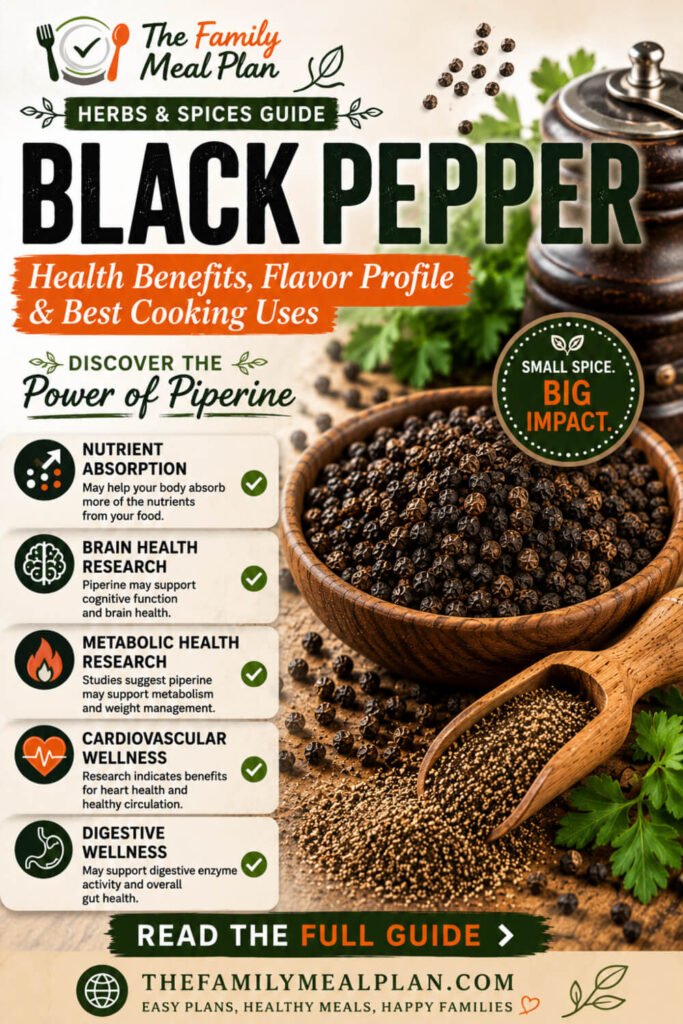
Black pepper is far more than a basic seasoning. From antioxidant-rich plant compounds and digestive support research to nutrient absorption and everyday cooking versatility, understanding how to use black pepper effectively can help you create more flavorful and wellness-focused meals throughout the year.
💡 Beyond its bold flavor and everyday cooking versatility, black pepper’s long-standing reputation in wellness-focused nutrition is closely connected to piperine, the naturally occurring compound responsible for much of the research surrounding this foundational spice.
8+ Health Benefits Commonly Associated with Black Pepper
Black pepper has earned a reputation as one of the most researched spices in modern nutrition discussions. While it should always be viewed as part of a balanced dietary pattern rather than a standalone solution, researchers continue to explore how black pepper’s naturally occurring compounds may contribute to overall wellness.
Much of this attention centers around piperine, antioxidants, volatile oils, and other plant compounds that may influence nutrient absorption, digestion, oxidative stress, inflammatory pathways, and overall healthy lifestyle nutrition.
Some of the most commonly discussed health benefits associated with black pepper include:
1. Antioxidant Protection
One of the most widely studied areas of black pepper research involves its antioxidant activity.
During normal metabolism, the body naturally produces unstable molecules called free radicals. Excessive accumulation of these compounds may contribute to oxidative stress, which researchers associate with cellular aging and numerous chronic health concerns.
Black pepper contains piperine and various antioxidant compounds that may help neutralize free radicals and support cellular protection. Although black pepper is consumed in relatively small amounts, regular inclusion in a nutrient-rich diet may contribute to overall antioxidant intake.
This antioxidant potential remains one of the strongest areas of research surrounding black pepper and continues to attract scientific interest.
2. Enhanced Nutrient Absorption
Perhaps the most unique health benefit associated with black pepper is its ability to enhance nutrient absorption.
Piperine is widely recognized as a natural bioavailability enhancer, meaning it may help the body absorb certain nutrients and beneficial compounds more efficiently.
Research has shown that piperine may improve the absorption of compounds such as:
- Curcumin from turmeric
- Beta-carotene
- Selenium
- Various antioxidants
- Certain plant polyphenols
This is one reason black pepper is frequently paired with turmeric in both traditional cooking and modern nutrition discussions.
Improving nutrient absorption may help maximize the value of nutrient-dense meals and wellness-focused eating habits.
3. Digestive Wellness
Traditional food cultures have long used black pepper to support digestion and overall gastrointestinal comfort.
Researchers believe piperine may help stimulate digestive enzyme activity and encourage efficient breakdown of food during digestion. Some studies also suggest black pepper may support healthy gastrointestinal function and nutrient utilization.
Because healthy digestion plays a critical role in overall wellness, black pepper continues to be included in soups, broths, spice blends, and warming dishes throughout many culinary traditions.
Its long history of digestive use remains one of the reasons black pepper is often considered a foundational seasoning rather than merely a flavor enhancer.
4. Healthy Inflammatory Response Support
Inflammation is a normal and necessary biological process. However, researchers continue to investigate nutritional strategies that may help support healthy inflammatory balance throughout the body.
Piperine has attracted attention for its potential influence on inflammatory pathways. Laboratory and animal studies have demonstrated promising results, although additional human research continues to develop.
As part of an overall anti-inflammatory dietary pattern that includes fruits, vegetables, whole grains, healthy fats, herbs, and spices, black pepper remains a commonly discussed ingredient in wellness-focused nutrition.
5. Cellular Wellness & Healthy Aging
Healthy aging discussions frequently focus on reducing oxidative stress and supporting cellular function over time.
Because black pepper contains antioxidant compounds that may help combat oxidative damage, researchers continue exploring its potential role in healthy aging strategies.
While no single ingredient determines long-term health outcomes, regularly incorporating antioxidant-rich herbs and spices into meals may help support broader wellness goals when combined with healthy lifestyle habits.
Black pepper’s combination of flavor and antioxidant activity makes it an easy addition to everyday meals.
6. Metabolic Health Research
Another emerging area of interest involves black pepper’s potential relationship with metabolic health.
Researchers continue studying piperine’s influence on:
- Energy utilization
- Fat metabolism
- Cholesterol metabolism
- Blood sugar regulation
Although much of the evidence remains preliminary, these findings have generated significant interest in black pepper’s broader nutritional role.
Future research will help clarify the extent of these potential benefits.
7. Cognitive Health Research
The brain health implications of nutrition remain one of the fastest-growing areas of scientific study.
Early research suggests piperine may possess neuroprotective properties that could support healthy brain function. Scientists continue investigating how black pepper’s compounds may influence memory, cognition, and overall neurological wellness.
While more human studies are needed, these findings represent another promising avenue of ongoing black pepper research.
8. Heart-Conscious Nutrition
Black pepper frequently appears in heart-conscious eating patterns, particularly those emphasizing vegetables, legumes, whole grains, healthy fats, and minimally processed foods.
Researchers continue exploring potential connections between black pepper consumption and cardiovascular wellness through mechanisms involving antioxidant activity, inflammatory balance, and overall dietary quality.
Because black pepper naturally enhances flavor without requiring additional sodium, it can also help support more flavorful meals built around whole-food ingredients.
9. Supports Flavorful Healthy Eating Habits
One of the most practical benefits of black pepper may simply be its ability to make nutritious foods more enjoyable.
Vegetables, lean proteins, legumes, soups, whole grains, and healthy homemade meals often become more satisfying with proper seasoning.
By enhancing flavor naturally, black pepper can help encourage consistent consumption of nutrient-dense foods that support overall health and wellness.
💡 While black pepper’s strongest evidence currently centers on antioxidant activity, digestive support, and nutrient absorption, researchers continue exploring its broader role in healthy aging, metabolic wellness, and overall nutrition-focused lifestyles.
Naturally Occurring Compounds in Black Pepper
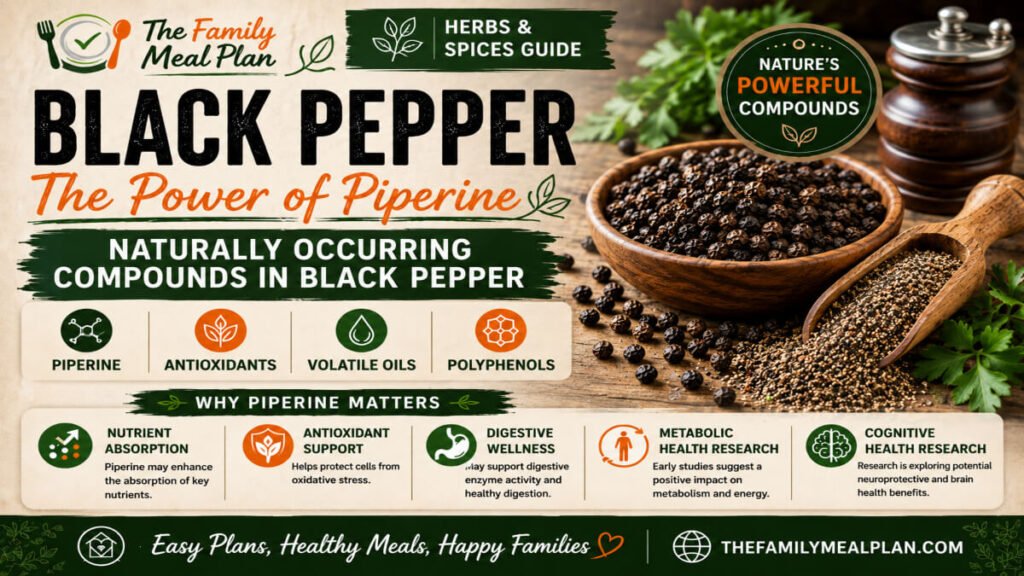
Black pepper’s reputation in both traditional food cultures and modern nutrition research is largely connected to a collection of naturally occurring plant compounds found within the peppercorn itself. While black pepper is often viewed simply as a seasoning, researchers continue to study these compounds for their potential influence on nutrient absorption, antioxidant activity, digestive wellness, and overall healthy lifestyle nutrition.
Among all of black pepper’s naturally occurring compounds, piperine receives the most scientific attention. However, black pepper also contains volatile oils, polyphenols, flavonoids, and other plant compounds that contribute to both its distinctive flavor and its wellness-focused reputation.
Some of the most recognized compounds found in black pepper include:
Piperine
Piperine is the primary bioactive compound found in black pepper and is responsible for its characteristic pungent flavor.
Researchers have explored piperine in relation to:
- Nutrient absorption
- Antioxidant activity
- Digestive support
- Healthy inflammatory responses
- Metabolic wellness
- Brain health research
Piperine is especially notable because it appears to enhance the absorption of certain nutrients and plant compounds, making black pepper unique among common culinary seasonings.
This nutrient absorption effect is one reason black pepper is frequently paired with turmeric in both traditional cooking and wellness-focused nutrition discussions.
Volatile Oils
Black pepper contains aromatic oils that contribute to its complex flavor and aroma profile.
Some of the most important include:
- Caryophyllene
- Pinene
- Limonene
- Sabinene
These compounds help create the earthy, woody, slightly citrusy characteristics that distinguish black pepper from other spices.
They also contribute to the aroma released when peppercorns are freshly cracked.
Polyphenols
Polyphenols are naturally occurring plant compounds commonly associated with antioxidant-rich foods.
Black pepper contains several polyphenols that contribute to its overall antioxidant profile and support its role in wellness-focused eating patterns centered around herbs, spices, fruits, vegetables, and whole foods.
Flavonoids
Flavonoids are widely recognized throughout nutrition research because of their antioxidant properties.
Although black pepper is not consumed in large quantities, its flavonoid content contributes to its overall nutritional profile and complements the benefits of a diverse, plant-rich diet.
Essential Minerals
Black pepper also contains trace amounts of several minerals, including:
- Manganese
- Iron
- Potassium
- Calcium
- Magnesium
While black pepper should not be considered a major source of these nutrients, its contribution adds to the overall nutrient diversity of meals.
💡 Much of black pepper’s growing reputation in modern nutrition discussions centers on piperine, a unique plant compound that helps distinguish black pepper from many other culinary seasonings.
Black Pepper Nutrition Facts
Although black pepper is typically consumed in small amounts, it contains a variety of beneficial nutrients and naturally occurring compounds that contribute to its nutritional value.
Black Pepper Contains:
- Piperine
- Antioxidants
- Polyphenols
- Flavonoids
- Dietary fiber
- Manganese
- Iron
- Potassium
- Calcium
- Magnesium
Because black pepper is primarily used as a seasoning, it should not be viewed as a significant source of vitamins or minerals on its own. However, regular use can contribute to the nutritional quality of meals while encouraging the consumption of whole-food ingredients.
One of black pepper’s greatest nutritional advantages may be its ability to improve the flavor of vegetables, lean proteins, legumes, soups, and whole grains, making nutritious foods more enjoyable and easier to include in everyday eating habits.
Why Piperine Makes Black Pepper Unique
Many herbs and spices contain antioxidants.
Many contain polyphenols.
Many contain beneficial plant compounds.
What makes black pepper stand apart is piperine.
Unlike most seasonings, black pepper has become widely recognized for its role in nutrient bioavailability—the process through which the body absorbs and utilizes nutrients.
Researchers have documented piperine’s ability to increase absorption of certain compounds, making black pepper one of the most studied culinary spices in modern nutrition research.
This unique characteristic is one reason black pepper remains a foundational ingredient in both traditional food cultures and contemporary wellness discussions.
💡 While black pepper contributes antioxidants and plant compounds to the diet, its ability to enhance nutrient absorption remains one of its most distinctive and widely discussed characteristics.
How Black Pepper Is Harvested & Processed
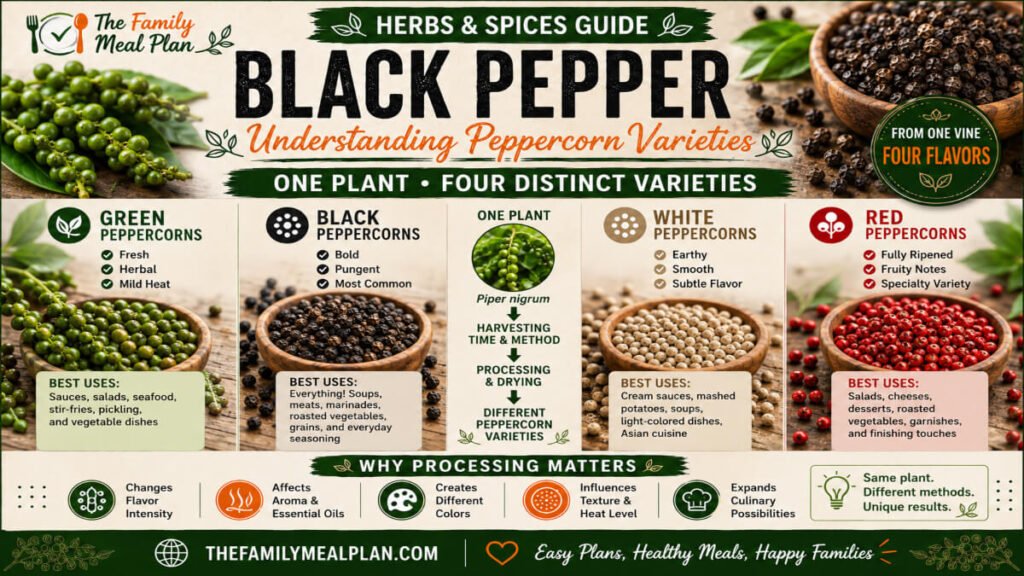
Understanding how black pepper is harvested and processed helps explain why different pepper varieties exist and why each offers distinct flavors, aromas, and culinary applications.
Black pepper originates from the flowering vine Piper nigrum, which thrives in tropical climates with warm temperatures, high humidity, and abundant rainfall.
The plant produces clusters of small berries known as peppercorns. Depending on when those berries are harvested and how they are processed, different pepper varieties emerge.
Black Peppercorns
Black peppercorns are harvested while still green and immature.
After harvesting, the berries are dried in the sun or through controlled drying methods.
As they dry:
- Moisture evaporates
- Outer skin wrinkles
- Peppercorns darken
- Flavor intensifies
This process creates the familiar black peppercorns used throughout the world.
Black pepper offers the strongest flavor and highest pungency of the common pepper varieties.
White Peppercorns
White pepper begins as fully ripened pepper berries.
After harvesting:
- Outer fruit layer is removed
- Inner seed remains
- Peppercorns are dried
This process produces a milder pepper with a cleaner, earthier flavor.
White pepper is especially popular in:
- French cooking
- Cream sauces
- Asian cuisine
- Light-colored dishes
where black specks from traditional pepper may be less desirable.
Green Peppercorns
Green peppercorns are harvested early and preserved before traditional drying occurs.
They maintain:
- Fresh flavor
- Herbal notes
- Mild pungency
- Softer texture
Green peppercorns are commonly used in:
- Sauces
- Marinades
- Specialty dishes
- Gourmet cooking
Red Peppercorns
Red peppercorns are allowed to ripen fully on the vine before harvest.
They are considerably less common and often considered a specialty product.
Compared to black pepper, red peppercorns offer:
- Slight sweetness
- Fruity notes
- Milder heat
- Greater complexity
Why Processing Matters
The harvesting stage dramatically affects:
- Flavor intensity
- Aroma
- Color
- Texture
- Culinary application
This is why chefs often select specific pepper varieties depending on the dish they are preparing.
Fresh Cracked Pepper vs Pre-Ground Pepper
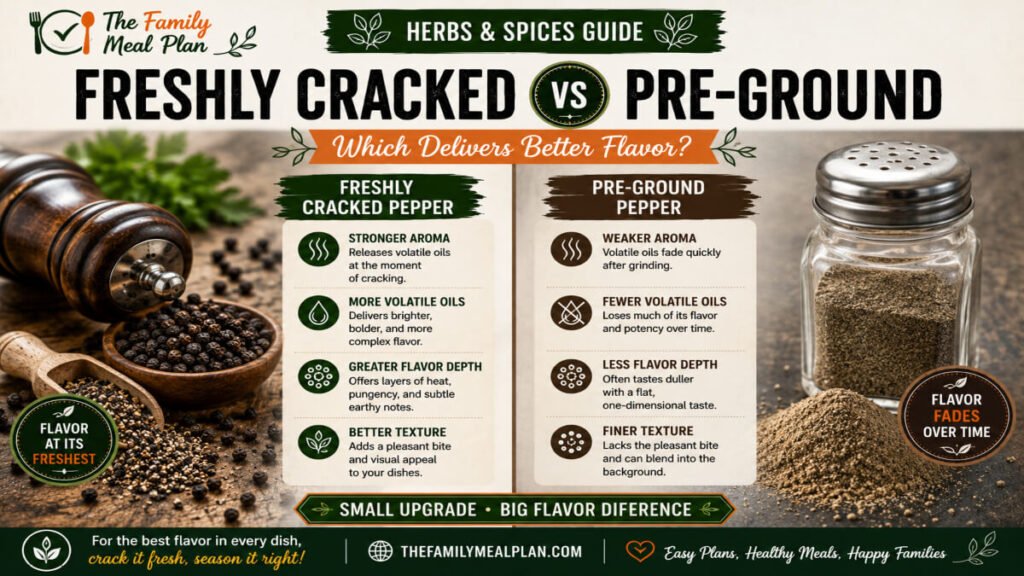
Much like fresh garlic differs from garlic powder, freshly cracked black pepper and pre-ground pepper can deliver noticeably different results in the kitchen. As the comparison above illustrates, the primary differences come down to aroma, flavor intensity, texture, and the preservation of black pepper’s naturally occurring volatile oils.
When peppercorns are cracked immediately before use, they release aromatic compounds that contribute to the bold, complex flavor many cooks associate with freshly seasoned dishes. Pre-ground pepper still offers convenience and consistency, but prolonged exposure to air gradually diminishes some of the characteristics that make black pepper so distinctive.
That doesn’t mean pre-ground pepper has no place in the kitchen. For everyday cooking, soups, sauces, marinades, and convenience-focused meal preparation, it remains a practical option. However, when flavor is the priority, many home cooks and professional chefs prefer freshly cracked pepper for its stronger aroma, greater depth, and more noticeable impact on finished dishes.
The following comparison explores these differences in greater detail and explains why a simple pepper grinder is often considered one of the easiest upgrades a home cook can make.
Freshly Cracked Black Pepper
Freshly cracked pepper is often preferred because it retains more of its aromatic oils and volatile compounds.
Benefits include:
- Stronger aroma
- Brighter flavor
- Greater complexity
- More pronounced pungency
- Better texture
Freshly cracked pepper works especially well on:
- Steaks
- Chicken
- Seafood
- Roasted vegetables
- Salads
- Soups
Many chefs consider a quality pepper grinder one of the most valuable tools in the kitchen.
Coarsely Ground Pepper
Coarse pepper provides:
- Visible texture
- Strong flavor bursts
- Enhanced crust formation
Popular uses include:
- Steak seasoning
- Dry rubs
- Grilled meats
- Roasted potatoes
Finely Ground Pepper
Finely ground pepper distributes more evenly throughout recipes.
It works well in:
- Sauces
- Soups
- Marinades
- Salad dressings
- Casseroles
Pre-Ground Pepper
Pre-ground pepper offers convenience and consistency.
Advantages include:
- Faster preparation
- Easy storage
- Everyday practicality
However, exposure to air gradually reduces aroma and flavor intensity over time.
For maximum freshness, many cooks purchase whole peppercorns and grind them as needed.
💡 The difference between freshly cracked pepper and pre-ground pepper is often one of the easiest flavor upgrades home cooks can make without changing a recipe.
Flavor Profile of Black Pepper
Black pepper has remained one of the world’s most popular seasonings for centuries because it delivers remarkable flavor complexity from a single ingredient. While often described simply as “spicy,” black pepper offers a far more nuanced flavor profile than many people realize.
Freshly cracked black pepper combines earthy warmth, subtle citrus notes, woody undertones, mild heat, and aromatic complexity that enhances other ingredients rather than overpowering them.
This versatility explains why black pepper appears in nearly every major cuisine around the world and why it is often considered one of the foundational building blocks of great cooking.
Common Flavor Notes Found in Black Pepper
- Warm
- Earthy
- Woody
- Slightly spicy
- Citrusy
- Aromatic
- Mildly floral
- Pungent
- Savory-enhancing
Unlike chili peppers, black pepper’s heat comes primarily from piperine rather than capsaicin. This creates a warming sensation that builds gradually rather than producing intense heat.
Many chefs describe black pepper as a “flavor amplifier” because it enhances the natural characteristics of other ingredients while adding complexity and depth.
Why Freshly Cracked Pepper Tastes Better
When peppercorns are freshly cracked, volatile oils are released immediately.
These aromatic compounds provide:
- Stronger fragrance
- More complex flavor
- Better balance
- Greater depth
Over time, pre-ground pepper loses many of these oils through exposure to air.
This is one reason professional kitchens often grind pepper fresh throughout the cooking process rather than relying solely on pre-ground pepper.
💡 Black pepper’s greatest culinary strength may be its ability to elevate other ingredients while remaining balanced enough to work in nearly every savory dish.
Black Pepper Pairs Especially Well With
Black pepper is one of the most versatile ingredients in the kitchen and complements a wide range of foods.
Proteins
Black pepper naturally enhances:
- Chicken
- Beef
- Pork
- Turkey
- Seafood
- Salmon
- Shrimp
- Eggs
Its warming flavor helps create depth without masking the natural taste of proteins.
Vegetables
Black pepper pairs exceptionally well with:
- Potatoes
- Broccoli
- Cauliflower
- Green beans
- Brussels sprouts
- Carrots
- Mushrooms
- Asparagus
A simple combination of vegetables, olive oil, sea salt, and black pepper remains one of the most effective ways to build flavor naturally.
Soups & Stews
Black pepper contributes depth and warmth to:
- Vegetable soups
- Chicken soups
- Beef stews
- Lentil soups
- Bean soups
- Broths
Its flavor develops gradually during cooking and helps create balanced savory profiles.
Pasta & Sauces
Black pepper plays a major role in:
- Alfredo sauce
- Carbonara
- Cream sauces
- Tomato sauces
- Garlic butter sauces
- Pan sauces
In some dishes, such as traditional cacio e pepe, black pepper becomes one of the star ingredients.
Whole Grains & Legumes
Black pepper complements:
- Rice
- Quinoa
- Couscous
- Farro
- Lentils
- Chickpeas
- Black beans
These pairings are especially common in Mediterranean-inspired and plant-forward cooking.
Best Herbs & Spices to Pair With Black Pepper
One reason black pepper appears in so many recipes is its ability to work alongside numerous herbs and spices without competing for attention.
Some of the most effective combinations include:
Garlic
Perhaps the most common pairing in the world.
Together they create:
- Savory depth
- Rich flavor
- Balanced seasoning
This combination appears throughout countless healthy recipes, soups, sauces, vegetables, and proteins.
Turmeric
One of black pepper’s most important wellness-focused pairings.
Black pepper’s piperine content may help enhance curcumin absorption, making this combination especially popular in health-conscious cooking.
Common uses include:
- Curry dishes
- Rice bowls
- Soups
- Roasted vegetables
Paprika
Paprika adds color and mild sweetness while black pepper contributes warmth and depth.
Excellent for:
- Chicken
- Potatoes
- Roasted vegetables
- Dry rubs
Rosemary
Rosemary’s earthy pine-like flavor complements black pepper beautifully in:
- Roasted meats
- Potatoes
- Mediterranean dishes
Thyme
Together they create a balanced savory profile commonly used in:
- Soups
- Poultry dishes
- Vegetable recipes
Oregano
A staple Mediterranean pairing that works especially well in:
- Tomato sauces
- Marinades
- Roasted vegetables
Parsley
Parsley brightens the earthy notes of black pepper and creates balance in richer dishes.
Cumin
Frequently used together in:
- Chili
- Mexican-inspired dishes
- Rice bowls
- Bean recipes
💡 Black pepper works best when viewed as a supporting spice that enhances other ingredients rather than dominating the flavor profile of a dish.
How to Store Black Pepper
Proper storage helps preserve black pepper’s flavor, aroma, and overall quality.
Whole Peppercorns
Whole peppercorns generally retain their quality far longer than ground pepper.
Store them in:
- Airtight containers
- Cool locations
- Dry environments
- Dark cabinets
When stored properly, whole peppercorns may maintain excellent flavor for several years.
Ground Black Pepper
Ground pepper loses aromatic oils more quickly.
For best results:
- Keep containers sealed
- Avoid direct sunlight
- Minimize humidity exposure
- Replace periodically for optimal flavor
Signs Black Pepper Has Lost Quality
Black pepper may be losing potency if:
- Aroma becomes weak
- Flavor tastes flat
- Pungency decreases
- Color appears faded
Although older pepper is generally safe to consume, flavor quality declines over time.
Potential Cooking Benefits
Black pepper remains one of the most practical ingredients in healthy home cooking because it helps create flavor naturally without requiring complicated preparation.
Some of its most valuable culinary benefits include:
- Adds savory depth to proteins and vegetables
- Enhances natural flavors
- Helps reduce reliance on excessive sodium
- Works across nearly every cuisine
- Complements both simple and complex recipes
- Supports ingredient-focused whole-food cooking
- Adds warmth without excessive heat
- Functions well in marinades, soups, sauces, and seasoning blends
For many home cooks, black pepper serves as the foundation upon which countless flavor combinations are built.
Recipes to Try with Black Pepper
Black pepper is one of the most versatile seasonings in healthy home cooking because it enhances proteins, vegetables, grains, soups, and sauces without overpowering other ingredients. If you’re looking for practical ways to incorporate more black pepper into everyday meals, these recipes are excellent places to start.
Garlic Butter Steak Bites with Potatoes
Black pepper helps create a flavorful crust while balancing the richness of butter and garlic.
Healthy Lemon Garlic Chicken
Fresh black pepper complements bright citrus flavors while enhancing herbs and roasted vegetables.
Teriyaki Beef Stir Fry
Black pepper contributes warmth and depth alongside soy sauce, garlic, and vegetables.
Easy Baked Lemon Herb Salmon
Freshly cracked black pepper adds subtle heat and complexity while complementing bright citrus and herb flavors.
Frequently Asked Questions
Is black pepper healthy?
Black pepper contains piperine, antioxidants, and other plant compounds that continue to be studied for their potential role in wellness-focused nutrition.
What is piperine?
Piperine is the primary bioactive compound found in black pepper and is responsible for its pungent flavor and many of its researched properties.
Does black pepper help absorb turmeric?
Research suggests piperine may significantly enhance the absorption of curcumin, the primary active compound in turmeric.
Is freshly cracked pepper better than pre-ground?
Freshly cracked pepper generally provides stronger aroma, better flavor, and greater complexity.
What is the difference between black pepper and white pepper?
Black pepper is produced from unripe dried berries, while white pepper comes from fully ripened berries with the outer layer removed.
Does black pepper lose potency over time?
Yes. Ground pepper gradually loses flavor and aroma as volatile oils dissipate.
Can black pepper replace salt?
Not directly, but black pepper can help enhance flavor naturally and may reduce the need for excessive salt in some dishes.
Is black pepper spicy?
Black pepper provides warming pungency but is significantly milder than most chili peppers.
What foods pair best with black pepper?
Proteins, vegetables, soups, sauces, grains, eggs, legumes, and Mediterranean-inspired dishes all pair exceptionally well with black pepper.
Should peppercorns be refrigerated?
Generally no. A cool, dry pantry is typically the best storage environment.
Nutrition & Wellness Research
Modern research surrounding black pepper primarily focuses on piperine and its potential role in health and nutrition.
Several areas continue attracting scientific interest:
Antioxidant Activity
Researchers continue studying black pepper’s antioxidant properties and potential role in reducing oxidative stress.
Nutrient Bioavailability
One of the most widely studied characteristics of piperine is its ability to improve nutrient absorption.
This remains one of black pepper’s most distinctive and promising areas of nutrition research.
Digestive Function
Research suggests piperine may influence digestive enzyme activity and support efficient digestion.
Healthy Inflammatory Responses
Laboratory and animal studies continue exploring piperine’s influence on inflammatory pathways.
Cognitive Wellness
Researchers are increasingly interested in piperine’s potential neuroprotective properties and possible influence on healthy brain function.
Metabolic Health
Emerging studies continue investigating relationships between piperine and:
- Blood sugar regulation
- Energy utilization
- Cholesterol metabolism
- Weight management
While many findings remain preliminary, these areas continue generating significant research interest.
💡 The strongest current evidence surrounding black pepper focuses on antioxidant activity, nutrient absorption, and digestive wellness, while additional areas remain active subjects of ongoing scientific study.
Continue Exploring Flavor & Seasoning Guides
Expand your knowledge of herbs, spices, seasonings, and wellness-focused cooking with our complete collection of Flavor & Seasoning Guides. Each guide explores health benefits, naturally occurring compounds, flavor profiles, cooking uses, storage recommendations, and practical ways to build healthier homemade meals.
Core Pantry Foundations
- Garlic: Health Benefits, Flavor Profile & Best Cooking Uses
- Onion Powder: Health Benefits, Flavor Profile & Best Cooking Uses
- Black Pepper: Health Benefits, Flavor Profile & Best Cooking Uses
- Sea Salt & Kosher Salt: Health Benefits, Flavor Profile & Best Cooking Uses
- Paprika: Health Benefits, Flavor Profile & Best Cooking Uses
- Smoked Paprika: Health Benefits, Flavor Profile & Best Cooking Uses
- Chili Powder: Health Benefits, Flavor Profile & Best Cooking Uses
- Cumin: Health Benefits, Flavor Profile & Best Cooking Uses
- Turmeric: Health Benefits, Flavor Profile & Best Cooking Uses
- Cinnamon: Health Benefits, Flavor Profile & Best Cooking Uses
Fresh & Dried Culinary Herbs
- Basil: Health Benefits, Flavor Profile & Best Cooking Uses
- Parsley: Health Benefits, Flavor Profile & Best Cooking Uses
- Oregano: Health Benefits, Flavor Profile & Best Cooking Uses
- Thyme: Health Benefits, Flavor Profile & Best Cooking Uses
- Rosemary: Health Benefits, Flavor Profile & Best Cooking Uses
- Bay Leaves: Health Benefits, Flavor Profile & Best Cooking Uses
Each guide explores health benefits, naturally occurring compounds, flavor profiles, cooking uses, storage recommendations, research highlights, and practical ways to build healthier, more flavorful homemade meals.
References & Further Reading
For readers interested in learning more about black pepper, piperine, nutrition science, and wellness-focused research, the following resources provide valuable information:
Research & Nutrition Resources
- Healthline Black Pepper Benefits Guide
- Cleveland Clinic Black Pepper Benefits Overview
- WebMD Black Pepper Health Benefits
- Medical News Today Black Pepper Benefits Guide
Scientific Literature
Culinary & Ingredient Research
Medical & Nutrition Disclaimer
This article is intended for educational and informational purposes only and should not be considered medical advice. Nutritional needs vary between individuals. Always consult a qualified healthcare professional regarding specific dietary concerns, sodium restrictions, medical conditions, or treatment decisions. The Family Meal Plan does not provide medical diagnosis, treatment, or individualized nutrition counseling.
Cook Smarter with Herbs & Spices
Families cooking together makes home meals simpler, healthier, and more enjoyable.
Understanding how black pepper contributes to flavor enhancement, antioxidant-rich eating habits, nutrient bioavailability, digestive wellness discussions, and practical home cooking can help create meals that support both enjoyment and long-term healthy lifestyle goals.
Whether you’re preparing quick weeknight dinners, seasoning vegetables and lean proteins, creating homemade spice blends, meal prepping for the week ahead, or building Mediterranean-inspired meals, black pepper remains one of the most valuable spices for both wellness-focused nutrition and everyday cooking.
Join The Family Meal Plan
Simple, healthy meals don’t happen by accident—they happen with a plan.
Join The Family Meal Plan and receive easy family recipes, practical cooking tips, healthy meal ideas, and weekly meal plans designed to make dinner less stressful and more enjoyable.
Whether you’re building healthier habits, simplifying meal prep, or looking for new family dinner inspiration, we’re here to help you put flavorful, wholesome meals on the table with confidence.
Easy Plans, Healthy Meals, Happy Families.