
⚠️ The information in this guide is intended for educational and informational purposes only and should not be considered medical advice, diagnosis, or treatment. Always consult a qualified healthcare professional regarding medical concerns, dietary changes, or health conditions.
A Closer Look at the Health Benefits of 30 Essential Herbs and Spices
Some of the best homemade meals don’t rely on complicated recipes—they simply begin with the right herbs. A handful of fresh basil, a sprinkle of oregano, or a pinch of thyme can transform everyday ingredients into meals filled with vibrant flavor, inviting aromas, and wholesome goodness. Beyond making food taste better, many culinary herbs naturally contain antioxidant-rich plant compounds, vitamins, minerals, and aromatic oils that continue to attract interest for their potential role in supporting overall wellness. Whether fresh from the garden or dried from the pantry, herbs remain one of the simplest ways to bring more flavor and variety to healthy home cooking.
Behind every culinary herb is a unique combination of naturally occurring plant compounds associated with a variety of health benefits, helping make its flavor, aroma, and nutritional value distinctly its own. Basil, oregano, rosemary, thyme, parsley, cilantro, dill, sage, mint, and bay leaves each contribute their own blend of antioxidants, flavonoids, aromatic oils, chlorophyll, vitamins, and minerals. Today’s nutrition studies continue exploring how these naturally occurring compounds may help support healthy inflammation responses, cardiovascular wellness, digestive health, immune function, and healthy aging as part of a balanced healthy diet.
Beyond their wellness-focused reputation, herbs and spices remain some of the most valuable tools in everyday home cooking. They help create depth, aroma, warmth, color, and complexity while reducing the need to rely heavily on overly processed sauces, excessive sodium, or artificial flavorings. They play an important role in Mediterranean-style meals, roasted vegetables, soups, sauces, marinades, skillet dinners, meal prep recipes, and balanced family meals built around simple pantry staples.
This comprehensive guide explores 30 of the best herbs and spices used in home kitchens today, highlighting their commonly discussed health benefits, nutritional characteristics, flavor profiles, best cooking uses, ingredient pairings, and practical ways to incorporate them into everyday meals. Every ingredient also includes a dedicated summary with links to a complete in-depth guide featuring expanded nutrition information, cooking techniques, storage recommendations, recipe inspiration, and research-based educational content.
Whether you’re building a healthier pantry, learning how herbs and spices work together with greater confidence, exploring Mediterranean-inspired cooking, or simply looking for practical ways to create more flavorful homemade meals, this collection is designed to help you better understand the remarkable role herbs and spices play in both nutrition and everyday cooking. Because every herb and spice has a story worth telling, we hope each guide not only answers your questions but also inspires new ideas for bringing wholesome, flavorful ingredients to your family’s table.
Many of these herbs and spices are used throughout our Healthy Recipes, Family Dinners, 30-Minute Meals, Meal Prep Recipes & Planning, Cooking Tips & Guides, and Flavor & Seasoning Guides where they help create balanced homemade meals with richer flavor, better seasoning depth, and practical ingredient-focused cooking. As you explore each herb and spice below, you’ll also find links to dedicated full guides featuring deeper wellness discussions, cooking techniques, storage tips, recipe inspiration, and practical ways to use these ingredients in everyday home cooking.
💡 Understanding how herbs and spices work together is one of the easiest ways to create more flavorful, balanced, and health-conscious homemade meals. Explore the quick summaries below, then click through each full guide to discover detailed cooking tips, flavor pairings, storage advice, recipe inspiration, and wellness-focused ingredient education.
Browse the Complete Collection
Jump directly to any section, herb, spice, or seasoning below, or simply scroll through the complete collection to discover the stories, nutrition insights, cooking tips, and practical uses behind every ingredient.
Core Pantry Foundations

💡 Building a strong pantry is one of the easiest ways to create more flavorful, balanced, and wellness-focused homemade meals using simple everyday ingredients and practical cooking techniques.
Core pantry herbs, spices, and seasonings have been used for generations because they help create flavorful homemade meals built around simple ingredients, balanced cooking habits, and practical everyday meal preparation. Foundational ingredients like garlic, black pepper, paprika, onion powder, sea salt, cumin, turmeric, and cinnamon are valued not only for their bold flavor and versatility, but also for the naturally occurring plant compounds that have inspired growing scientific interest in the health benefits of herbs and spices and wellness-focused home cooking.
Learning how these foundational seasonings work individually and together is one of the easiest ways to improve everyday cooking while reducing reliance on overly processed sauces, artificial flavor systems, and complicated meal preparation. Even simple seasoning combinations can help create deeper savory flavor, warming richness, fresh herbal balance, smoky depth, or comforting homemade character across vegetables, proteins, soups, grain bowls, sauces, marinades, and family-style meals. Many of these pantry staples—including garlic, onion powder, black pepper, paprika, cumin, turmeric, and cinnamon—also serve as the foundation for exploring their individual health benefits and best culinary uses throughout this guide.
Many core pantry ingredients are commonly associated with antioxidant-rich nutrition, Mediterranean-inspired cooking, balanced homemade meals, and ingredient-focused cooking habits centered around vegetables, lean proteins, grains, legumes, and simple pantry staples. They also provide incredible flexibility, allowing home cooks to build hundreds of flavor combinations ranging from fresh and herbaceous to smoky, savory, earthy, warming, mildly sweet, or boldly spiced depending on how ingredients are combined. Together, these everyday herbs and spices make it easy to create meals that are both flavorful and centered around wholesome, minimally processed ingredients.
Whether preparing quick weeknight dinners, healthy meal prep recipes, roasted vegetables, soups, skillet meals, marinades, or comfort-food favorites, understanding these core pantry foundations can help create more confident, flavorful, and wellness-focused homemade cooking using practical everyday ingredients. As you explore the health benefits of garlic, onion powder, black pepper, paprika, cumin, turmeric, cinnamon, and other essential pantry staples, you’ll also discover their unique flavor profiles, naturally occurring compounds, best cooking uses, and practical ways to incorporate them into healthy family meals.
💡 The following pantry staples form the foundation of countless healthy recipes, family dinners, meal prep ideas, sauces, soups, roasted meals, and practical homemade cooking systems used in kitchens around the world.
Garlic
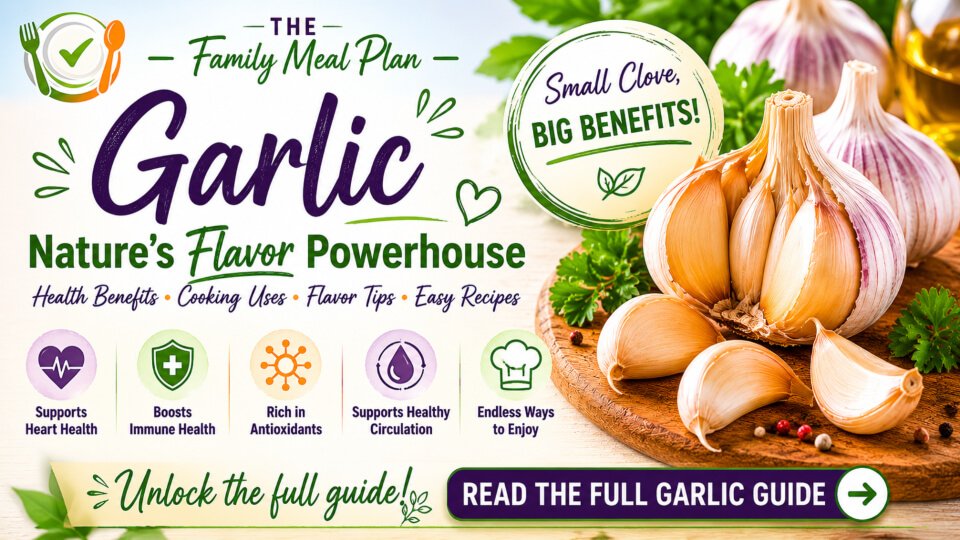
Some of the most memorable family meals begin with a familiar sound—the gentle sizzle of garlic meeting a warm pan. Before the first bite is ever served, its unmistakable aroma has already started building anticipation for soups, sauces, roasted vegetables, pasta dishes, and countless homemade favorites. Beyond its ability to transform everyday cooking, the Health Benefits of Garlic continue attracting growing interest as nutrition studies explore its naturally occurring sulfur-containing compounds and their potential role in supporting cardiovascular wellness, healthy inflammation responses, immune function, metabolic health, and healthy aging. Garlic Nutrition includes allicin, ajoene, diallyl sulfides, and many other naturally occurring plant compounds that have helped make garlic one of the world’s most widely appreciated culinary ingredients.
It’s easy to see why garlic has remained a kitchen favorite in homes around the world. Beyond its bold flavor, this familiar ingredient continues attracting attention because of the remarkable variety of naturally occurring plant compounds it contains. Today’s nutrition studies continue exploring garlic’s potential role in supporting cardiovascular wellness, healthy blood pressure already within a normal range, healthy cholesterol levels already within a normal range, immune function, healthy inflammation responses, cognitive health, metabolic wellness, digestive health, and healthy aging. As our understanding continues to grow, garlic remains one of today’s most extensively studied culinary ingredients, helping expand what we know about Garlic Benefits and its role in a balanced healthy diet.
One of the most fascinating things about garlic is that many of its best-known qualities begin the moment a fresh clove is chopped, crushed, or minced. This natural process releases allicin, one of garlic’s best-known sulfur-containing compounds, along with other beneficial plant compounds that contribute to Garlic Nutrition and its expanding research profile. Nutrition studies continue exploring these naturally occurring compounds for their antioxidant activity and their potential role in supporting cardiovascular wellness, immune function, and cellular protection from oxidative stress, helping explain why garlic has remained such a valuable ingredient in both healthy cooking and modern nutrition.
Carefully harvested at full maturity and cured to preserve its distinctive flavor and beneficial plant compounds, garlic develops much of its characteristic aroma and remarkable culinary versatility during the drying and storage process. Fresh garlic is prized for its bold, pungent flavor and concentrated sulfur compounds, while roasted garlic transforms into a mellow, slightly sweet ingredient that adds richness and depth to a wide variety of healthy homemade meals.
Beyond its well-known health benefits, garlic remains one of the most versatile ingredients in everyday home cooking. It enhances soups, sauces, marinades, vegetables, seafood, poultry, pasta dishes, grain bowls, and countless savory recipes while adding bold flavor without relying on excess sodium, sugar, or heavily processed ingredients. Its ability to transform simple, wholesome foods into memorable family meals has helped establish garlic as a foundational ingredient in cuisines around the world while demonstrating the many practical advantages of Cooking with Garlic.
Few everyday ingredients have earned such a lasting place in kitchens around the world quite like garlic. Whether it’s adding depth to a comforting soup, bringing roasted vegetables to life, or becoming the foundation of a favorite family recipe, garlic proves that the simplest ingredients often leave the greatest impression. With its naturally occurring plant compounds, remarkable culinary versatility, and long-standing place in healthy home cooking, the Health Benefits of Garlic, Garlic Flavor Profile, and How to Use Garlic continue inspiring home cooks to bring more flavor, variety, and wholesome ingredients to the family table.
Quick Health Benefits of Garlic
● Commonly associated with cardiovascular wellness and healthy circulation
● Often linked to healthy blood pressure and cholesterol-conscious nutrition
● Contains allicin and sulfur-rich compounds associated with immune support
● Rich in antioxidant compounds that help support cellular wellness
● Frequently connected to anti-inflammatory eating habits
● Recognized for antimicrobial and wellness-supportive plant properties
● Associated with digestive wellness and gut-conscious nutrition
● Commonly included in Mediterranean-style whole-food diets
● Supports nutrient-dense, ingredient-focused cooking habits
● One of the most researched functional food ingredients in modern nutrition discussions
Best Cooking Uses of Garlic
● Roasted vegetables
● Chicken and seafood dishes
● Pasta recipes
● Soups and sauces
● Marinades and seasoning blends
● Sheet pan dinners
● Meal prep recipes
Recipes You Can Start With: Garlic
Garlic is one of the most versatile ingredients in home cooking and appears in many of our most popular recipes, including:
● Creamy Garlic Chicken Pasta
● One Pan Honey Garlic Chicken & Rice
● Healthy Lemon Garlic Chicken
These recipes showcase how garlic can help build deep savory flavor while supporting simple, healthy home cooking with everyday ingredients.
Garlic is featured throughout many of our Chicken Recipes, Pasta Recipes, Family Dinners, and Flavor & Seasoning Guides because it adds bold flavor without relying on excess sodium, sugar, or heavily processed ingredients. Whether used fresh, roasted, minced, sautéed, or blended into sauces, marinades, soups, and seasonings, garlic remains one of the most versatile ingredients in home cooking while helping create flavorful, vegetable-forward meals. For additional recipes, ingredient resources, and growing topic collections, visit The Family Meal Plan Resource Center.
👉 Ready to learn more? Explore the Complete Garlic Guide for an in-depth look at the health benefits of garlic, its nutrition, culinary uses, cooking tips, flavor pairings, and the latest research. 10+ health benefits commonly associated with garlic, naturally occurring sulfur compounds, cardiovascular-health research, immune-system support, healthy-aging research, nutritional profile, flavor characteristics, harvesting methods, culinary applications, and practical ways to use garlic in healthy homemade meals.
Onion Powder
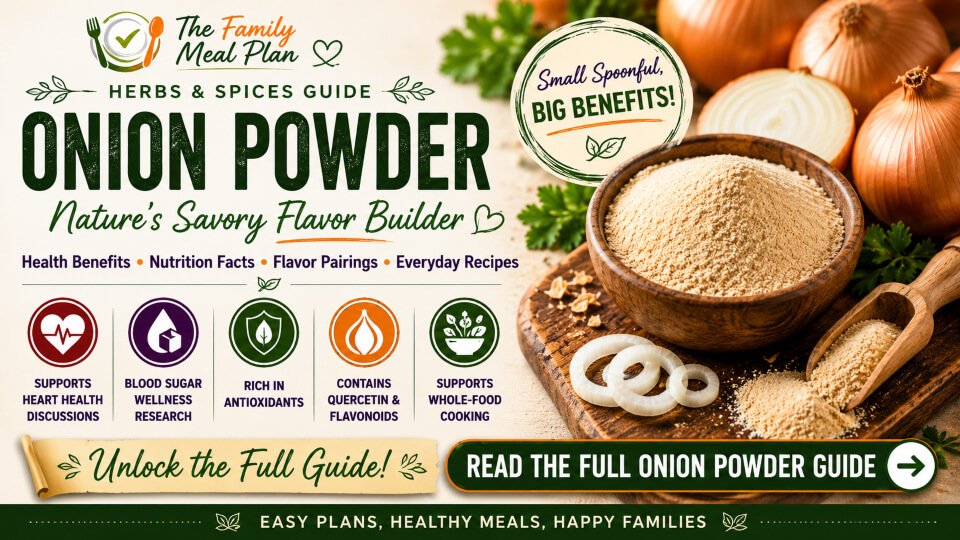
Most people think of onion powder as a simple seasoning, but every great home cook knows that some of the biggest flavors come from the most dependable pantry ingredients. Made by carefully dehydrating fresh onions, onion powder delivers rich, savory depth while preserving many of the naturally occurring plant compounds that continue attracting interest in nutrition studies. Today, the Health Benefits of Onion Powder continue to be explored for their potential role in supporting cardiovascular wellness, healthy blood sugar metabolism, healthy inflammation responses, immune function, digestive health, metabolic wellness, and healthy aging. Onion Powder Nutrition includes quercetin, flavonoids, sulfur-containing compounds, fructans, and other naturally occurring plant compounds that have helped make onion powder one of today’s most valued everyday seasonings.
What makes onion powder especially interesting is that its familiar flavor begins with one of the world’s most widely enjoyed vegetables. Fresh onions naturally contain quercetin, flavonoids, sulfur-containing compounds, fructans, and other antioxidant-rich plant compounds that contribute to Onion Powder Nutrition and its expanding role in healthy home cooking. Today’s nutrition studies continue exploring how these naturally occurring compounds may help support cardiovascular wellness, healthy cholesterol levels already within a normal range, cellular protection from oxidative stress, healthy inflammation responses, digestive health, metabolic wellness, immune function, healthy blood sugar metabolism, and healthy aging. As our understanding continues to grow, onions remain one of today’s most extensively studied culinary vegetables, helping expand what we know about Onion Powder Benefits.
Long before onion powder became a convenient pantry staple, fresh onions were already transforming everyday meals across ancient civilizations. Cultivated for thousands of years, onions became indispensable throughout Mediterranean, Middle Eastern, European, Asian, and later American kitchens, where their naturally sweet yet savory flavor formed the foundation of countless soups, stews, sauces, roasted vegetables, braised meats, and family recipes.* As food preservation techniques evolved, carefully dehydrating onions offered cooks a practical way to preserve much of that signature flavor while creating the shelf-stable seasoning now found in kitchens around the world.
Today, Cooking with Onion Powder allows home cooks to enjoy rich onion flavor with exceptional convenience. Whether blended into soups, sauces, casseroles, marinades, vegetables, proteins, homemade seasoning blends, or meal prep recipes, onion powder provides an easy way to build savory depth while contributing many of the naturally occurring plant compounds that continue attracting interest in nutrition studies. Its versatility, long shelf life, and dependable flavor have made it one of the most trusted pantry staples in everyday family cooking.
Far more than a convenient pantry staple, onion powder represents thousands of years of culinary tradition while continuing to earn attention for its naturally occurring plant compounds and remarkable versatility. Whether you’re building flavor in a favorite family recipe or looking for simple ways to prepare wholesome meals, Onion Powder Benefits, Onion Powder Flavor Profile, and How to Use Onion Powder continue inspiring home cooks to create flavorful dishes using simple, everyday ingredients.
Quick Health Benefits of Onion Powder
● Commonly associated with heart health, healthy circulation, and cardiovascular wellness
● Frequently discussed in relation to blood sugar regulation and metabolic wellness
● Rich in quercetin and flavonoids associated with antioxidant protection and cellular health
● Linked to healthy blood pressure and cholesterol-conscious nutrition discussions
● Frequently associated with immune-supportive and wellness-focused eating habits
● Commonly connected to anti-inflammatory nutrition and whole-food lifestyles
● Supports digestion-conscious eating habits and gut-friendly nutrition patterns
● Associated with antimicrobial compounds studied for their role in supporting wellness
● Frequently included in Mediterranean-style dietary patterns linked to long-term health
● Commonly discussed in relation to healthy aging, cellular protection, and nutrient-dense nutrition
Best Cooking Uses of Onion Powder
● Homemade seasoning blends
● Soups and stews
● Roasted vegetables
● Marinades and sauces
● Ground beef and poultry recipes
● Sheet pan dinners
● Meal prep recipes
Recipes You Can Start With: Onion Powder
Onion powder adds rich savory flavor and depth to countless homemade meals and appears in many of our most popular recipes, including:
● Budget Chicken & Rice Skillet
● Beef & Pepper Stir Fry
● Cheesy Sausage Breakfast Casserole
These recipes showcase how onion powder can help create bold, well-rounded flavor while supporting simple, healthy home cooking with everyday pantry ingredients.
Onion powder is featured throughout many of our Family Dinners, Meal Prep Recipes & Planning resources, Breakfast & Brunch Recipes, and Flavor & Seasoning Guides because it delivers concentrated onion flavor without the preparation time required for fresh onions. Whether added to dry rubs, mixed into sauces, stirred into soups, blended into seasoning mixes, or used as an all-purpose pantry staple, onion powder remains one of the most practical ingredients for building flavor while supporting convenient, ingredient-focused home cooking. For additional recipes, ingredient resources, and growing topic collections, visit The Family Meal Plan Resource Center.
👉 Ready to learn more? Explore the Complete Onion Powder Guide for an in-depth look at the health benefits of onion powder, its nutrition, culinary uses, cooking tips, flavor pairings, and the latest research. 10+ health benefits commonly associated with onion powder, naturally occurring antioxidant compounds, cardiovascular-wellness research, immune-system support, healthy-aging research, onion dehydration and production methods, nutritional profile, flavor characteristics, seasoning applications, and practical ways to use onion powder in healthy homemade meals.
Black Pepper
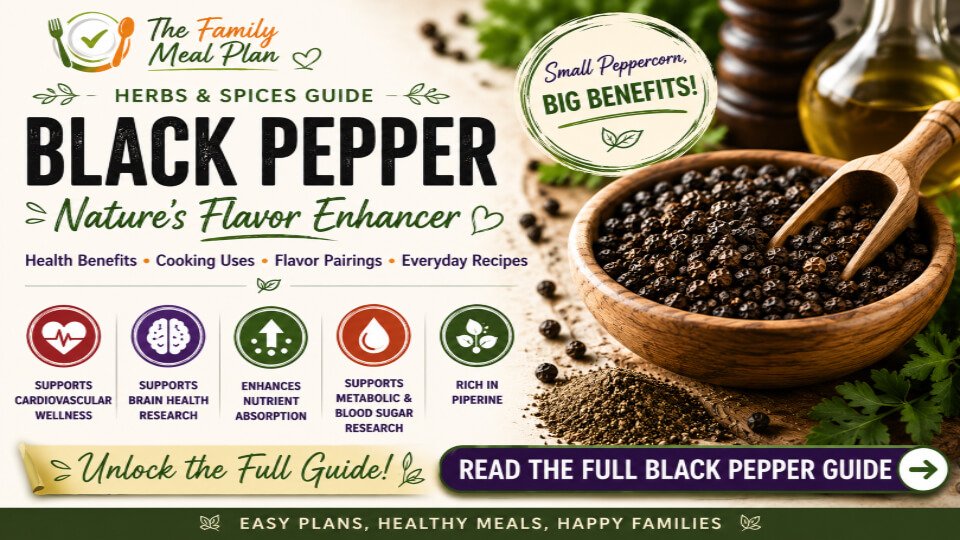
Few everyday ingredients have influenced kitchens around the world quite like black pepper. Long before it became a familiar fixture beside the family dinner table, this humble spice helped shape trade routes, inspired exploration, and introduced generations of cooks to bold new flavors. Made from the carefully dried berries of the Piper nigrum plant, the Health Benefits of Black Pepper continue attracting growing interest as nutrition studies explore its naturally occurring plant compounds and their potential role in supporting healthy blood sugar metabolism, cardiovascular wellness, healthy inflammation responses, cognitive health, nutrient absorption, digestive wellness, antioxidant protection, metabolic function, and healthy aging. Black Pepper Nutrition includes piperine, aromatic oils, antioxidants, and other naturally occurring plant compounds that continue to make this everyday seasoning one of the world’s most valued spices.
One of the reasons black pepper has remained such an important pantry staple is the remarkable plant compound that gives it both its signature flavor and much of its growing nutritional interest. Piperine, the primary naturally occurring compound found in black pepper, continues to attract attention as nutrition studies explore its potential role in supporting nutrient absorption, antioxidant activity, metabolic wellness, and cellular protection from oxidative stress. Along with piperine, black pepper contains aromatic oils and other naturally occurring plant compounds that contribute to Black Pepper Nutrition and its expanding role in healthy home cooking. As our understanding continues to grow, Black Pepper Benefits remain an active area of nutrition research while reinforcing its place as one of today’s most widely appreciated culinary spices.
Before reaching kitchens around the globe, black pepper begins as small green peppercorn berries harvested before full maturity and carefully dried to preserve their naturally occurring compounds. This traditional curing process helps concentrate both the bold flavor and beneficial plant compounds that have made black pepper a staple ingredient throughout Indian, Southeast Asian, Mediterranean, African, and European food cultures for generations.
Generations of home cooks have relied on black pepper not only for its bold, unmistakable flavor, but also for its remarkable versatility in everyday meal preparation. From seasoning vegetables, lean proteins, soups, grain bowls, eggs, salads, sauces, and marinades to enhancing homemade spice blends, Cooking with Black Pepper remains one of the simplest ways to add depth of flavor to healthy family meals. Its ability to complement countless ingredients has made black pepper one of the most widely used seasonings in kitchens around the world.
Beyond its familiar place on the dinner table, Black Pepper Nutrition also provides small amounts of vitamins, minerals, fiber, and naturally occurring plant compounds that contribute to its nutritional value. With more than 10 commonly discussed Black Pepper Benefits, this everyday spice continues inspiring nutrition studies while helping home cooks add bold flavor, remarkable versatility, and naturally occurring plant compounds to wholesome family meals. Whether you’re interested in its Black Pepper Flavor Profile or discovering How to Use Black Pepper in more creative ways, this timeless pantry staple continues to prove that simple ingredients often make the biggest difference.
Quick Health Benefits of Black Pepper
● Commonly associated with enhanced nutrient absorption and improved bioavailability of beneficial compounds
● Frequently discussed in relation to blood sugar management and metabolic wellness
● Associated with cholesterol-conscious nutrition and heart-health-focused eating habits
● Rich in piperine, a bioactive compound associated with antioxidant protection and cellular wellness
● Commonly connected to anti-inflammatory nutrition and wellness-focused lifestyles
● Frequently linked to digestive wellness, gut health, and balanced microbiome-supportive eating habits
● Associated with cognitive wellness, brain health, and healthy aging discussions
● Supports healthy circulation and overall cardiovascular wellness
● Frequently included in whole-food dietary patterns centered around nutrient-dense ingredients
● One of the most researched spices in modern nutrition and wellness literature
Best Cooking Uses of Black Pepper
● Grilled meats and poultry
● Roasted vegetables
● Soups and stews
● Eggs and breakfast dishes
● Homemade seasoning blends
● Pasta and grain dishes
● Everyday meal preparation
💡Black pepper is one of the most versatile seasonings in the kitchen, enhancing everything from poultry and beef to vegetables, soups, and pasta dishes. These family-friendly recipes are a great place to start if you’re looking for practical ways to cook with one of the world’s most widely used spices
Recipes You Can Start With: Black Pepper
- Healthy Lemon Pepper Baked Chicken (Priority)
- Easy Baked Lemon Herb Salmon
- Classic Homemade Beef & Vegetable Soup (Planned)
Black pepper is featured throughout many of our Beef Recipes, Chicken Recipes, Cooking Tips & Guides, and Flavor & Seasoning Guides because it adds depth, balance, and savory complexity to a wide variety of homemade meals. Whether freshly cracked over proteins, blended into seasoning mixes, added to sauces and soups, or used to finish vegetable-forward dishes, black pepper remains one of the world’s most widely used seasonings for building flavor while supporting simple, ingredient-focused cooking. For additional recipes, ingredient resources, and growing topic collections, visit The Family Meal Plan Resource Center.
👉 Ready to learn more? Explore the Complete Black Pepper Guide covering 10+ health benefits commonly associated with black pepper, naturally occurring piperine compounds, nutrient-absorption research, brain-health research, antioxidant activity, nutritional profile, pepper varieties, flavor characteristics, harvesting and processing methods, and practical ways to use black pepper in healthy homemade meals.
💡 Learning how herbs and spices work together is one of the easiest ways to build more flavorful, balanced meals using simple everyday ingredients. From fresh herbs and aromatic spice blends to bold savory seasonings, the ingredients below can help transform healthy home cooking while adding depth, freshness, and variety to weekly meals.
Before you continue exploring the full “30 Herbs & Spices Explained: Health Benefits, Flavor Profiles & Best Cooking Uses” guide collection below, Save This Complete Reference resource so you can quickly return to flavor pairings, cooking uses, wellness-focused benefits, and ingredient ideas anytime you cook.

Whether you’re building simple weeknight dinners, meal prepping healthier lunches, or learning how to cook with more confidence, understanding how herbs and spices work together can completely change the flavor and balance of everyday meals. The guides below break down some of the most popular herbs and spices used in ingredient-focused home cooking so you can build better meals with simple pantry ingredients.
Sea Salt / Kosher Salt
A simple pinch of salt has the power to completely transform a meal. It can brighten fresh vegetables, deepen the flavor of soups, bring out the richness of roasted meats, and turn everyday ingredients into something memorable. Long before it became the quiet hero of nearly every kitchen, salt helped preserve food, connect civilizations through trade, and shape countless culinary traditions. Today, the Health Benefits of Sea Salt and Kosher Salt continue attracting growing interest as nutrition studies explore sodium’s essential role in supporting normal fluid balance, healthy nerve function, muscle function, hydration, and overall physiological wellness. Sea Salt and Kosher Salt Nutrition centers on sodium, one of the body’s essential electrolytes, which continues to be studied for its role in maintaining normal body functions and supporting healthy home cooking.
Sea salt is typically produced through the natural evaporation of seawater, while kosher salt is commonly mined from underground salt deposits and processed into larger, coarse crystals. Although both consist primarily of sodium chloride, differences in crystal size, texture, harvesting methods, and culinary performance give each salt its own strengths in the kitchen. Sea salt may contain trace amounts of naturally occurring minerals depending on its source, while kosher salt is prized for its ease of handling, consistent seasoning control, and versatility across a wide range of everyday cooking techniques. Understanding these differences helps home cooks choose the best option for each recipe while appreciating the unique Sea Salt vs. Kosher Salt characteristics that make both valuable pantry staples.
Sodium remains one of the body’s most important electrolytes, helping regulate fluid balance, support nerve communication, assist muscle contraction, contribute to hydration, and maintain normal physiological function. Today’s nutrition studies continue expanding our understanding of sodium’s essential role in overall wellness while health organizations also encourage moderation, since excessive sodium intake may contribute to elevated blood pressure in some individuals. This balanced perspective continues shaping conversations about Sea Salt Benefits, Kosher Salt Benefits, and the importance of enjoying both as part of a balanced healthy diet.
Beyond its essential role in the body, salt has helped shape food preservation and culinary traditions throughout history. From fermentation and curing to seasoning fresh vegetables, lean proteins, soups, sauces, homemade spice blends, and countless family recipes, Cooking with Sea Salt and Kosher Salt remains one of the simplest ways to enhance natural flavor while supporting confident home cooking. Their remarkable versatility continues making both salts indispensable ingredients in kitchens around the world.
Far more than everyday seasonings, sea salt and kosher salt represent the perfect balance between culinary tradition, practical cooking, and essential nutrition. Whether you’re exploring the Health Benefits of Sea Salt and Kosher Salt, comparing the Sea Salt vs. Kosher Salt differences, discovering their unique Sea Salt and Kosher Salt Flavor Profile, or learning How to Use Sea Salt and Kosher Salt more effectively, these timeless pantry staples continue proving that even the simplest ingredients can make an extraordinary difference in healthy homemade meals.
Quick Health Benefits of Sea Salt & Kosher Salt
● Provides sodium, an essential electrolyte required for normal body function
● Supports fluid balance and hydration regulation
● Necessary for proper nerve signaling and communication
● Plays a role in healthy muscle contraction and movement
● Helps maintain normal electrolyte balance
● Supports the body’s regulation of blood pressure and fluid distribution
● May contain trace minerals depending on the source and harvesting method
● Commonly used in whole-food cooking to enhance natural food flavors
● Essential ingredient in traditional food preservation and fermentation practices
● Supports practical, balanced home cooking when used in moderation
Best Cooking Uses of Sea Salt & Kosher Salt
● Seasoning meats and poultry
● Roasted vegetables
● Soups and stews
● Homemade seasoning blends
● Baking and bread making
● Brining and marinades
● Everyday meal preparation
Recipes You Can Start With: Sea Salt & Kosher Salt
Sea salt and kosher salt play an important role in many of our most popular recipes, including:
● Creamy Garlic Chicken Pasta
● Easy Baked Lemon Herb Salmon with Vegetables
● Healthy Lemon Garlic Chicken
These recipes showcase how proper seasoning helps balance flavors while supporting simple, healthy home cooking.
Sea salt and kosher salt appear throughout many of our most popular Healthy Recipes, Family Dinners, 30-Minute Meals, Meal Prep Recipes & Planning, Mediterranean-inspired dishes, roasted vegetable recipes, homemade seasoning blends, soups, sauces, and protein-focused meals because proper seasoning helps bring out the natural flavors of nutrient-dense ingredients while supporting flavorful, ingredient-focused home cooking. Whether you’re preparing sheet pan meals, grilled proteins, rice bowls, or vegetable-forward meals, understanding how to season food properly can dramatically improve both flavor and overall cooking confidence.
👉 Ready to learn more? Explore the Complete Sea Salt & Kosher Salt Guide covering 10+ essential functions of sodium and electrolytes in the body, hydration and fluid balance, electrolyte function, nerve and muscle support, sodium’s role in overall health, sea salt vs kosher salt comparisons, harvesting and production methods, nutritional profile, seasoning science, food preservation traditions, and practical ways to use salt in healthy homemade meals.

Paprika
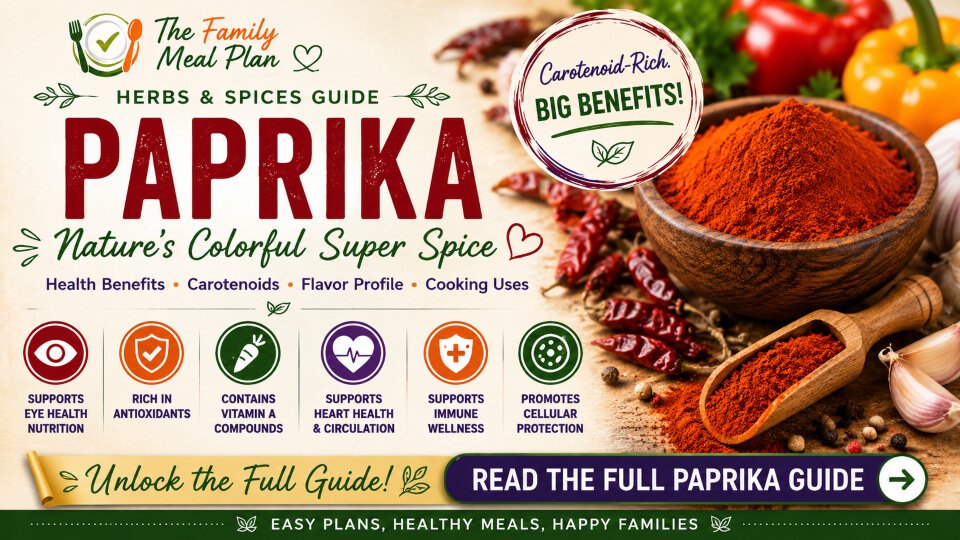
There is something instantly inviting about a meal that bursts with vibrant color before the very first bite. A simple sprinkle of paprika can transform roasted vegetables, soups, stews, grilled meats, and everyday recipes with rich color, gentle warmth, and a depth of flavor that makes homemade cooking even more enjoyable. Produced from dried and ground varieties of sweet red peppers (Capsicum annuum), Health Benefits of Paprika continue attracting growing interest as nutrition studies explore its naturally occurring plant compounds and their potential role in supporting eye health, cardiovascular wellness, healthy inflammation responses, antioxidant activity, immune function, healthy aging, and overall wellness. Paprika Nutrition includes carotenoids, polyphenols, antioxidants, vitamins, minerals, and other naturally occurring plant compounds that make this colorful spice as interesting nutritionally as it is flavorful in the kitchen.
The brilliant color that makes paprika so recognizable comes from an impressive collection of naturally occurring carotenoids, including beta-carotene, capsanthin, capsorubin, lutein, zeaxanthin, and beta-cryptoxanthin. Along with polyphenols and other antioxidant-rich plant compounds, these naturally occurring pigments contribute to Paprika Nutrition while continuing to attract attention in nutrition studies exploring cellular protection from oxidative stress, vision-supportive nutrition, healthy inflammation responses, and overall wellness. As our understanding continues to grow, Paprika Benefits and the role of paprika’s naturally occurring antioxidants remain an important part of conversations surrounding colorful, nutrient-rich foods.
Paprika also contributes small amounts of vitamins, minerals, and beneficial plant compounds while adding bold flavor without significant calories, sugar, or fat. This unique combination of flavor and nutritional interest makes paprika one of the easiest spices to incorporate into everyday cooking. Whether seasoning vegetables, poultry, seafood, soups, sauces, rice dishes, grain bowls, or homemade seasoning blends, Cooking with Paprika adds vibrant color, rich flavor, and nutritional variety to simple, wholesome meals.
Across Hungarian, Spanish, Mediterranean, Balkan, Middle Eastern, and American food traditions, paprika has earned a lasting place as one of the world’s most recognizable pantry staples. Its vibrant color, balanced flavor, and naturally occurring plant compounds continue making it an essential ingredient for home cooks who enjoy preparing flavorful meals rooted in simple, wholesome ingredients.
Whether you’re exploring the Health Benefits of Paprika, learning more about Paprika Flavor Profile, discovering How to Use Paprika, or simply looking for new ways to add color and flavor to everyday cooking, paprika continues proving that some of the most memorable ingredients are also among the simplest to use.
Quick Health Benefits of Paprika
● Contains naturally occurring carotenoids including capsanthin and capsorubin
● Provides antioxidant compounds that help protect plant cells from oxidative stress
● Contains beta-carotene, a precursor to vitamin A
● May help support normal eye health through lutein and zeaxanthin content
● Supports colorful, nutrient-dense cooking without added calories
● Contains naturally occurring vitamin A and small amounts of vitamin E
● May support healthy aging through antioxidant activity
● Commonly studied for cardiovascular wellness and cellular health
● Helps add flavor while reducing reliance on heavy sauces or excess calories
● Widely used in whole-food, Mediterranean-inspired cooking
Best Cooking Uses of Paprika
● Roasted vegetables
● Chicken and poultry dishes
● Soups and stews
● Rice and grain bowls
● Mediterranean recipes
● Homemade seasoning blends
● Healthy meal prep recipes
Recipes You Can Start With: Paprika
Paprika adds color, flavor, and depth to many of our most popular recipes, including:
● Healthy Lemon Garlic Chicken
● Easy Baked Lemon Herb Salmon with Vegetables
These recipes showcase how paprika can help create flavorful meals while contributing vibrant color and balanced seasoning.
Paprika is a popular ingredient in many of our Stir Fry Recipes, Seafood Recipes, Ingredient Education, and Mediterranean Cooking, because it adds vibrant color, mild sweetness, and savory depth without overwhelming other ingredients. Whether sprinkled over roasted vegetables, blended into seasoning mixes, incorporated into sauces, or used to enhance seafood, poultry, and grain-based dishes, paprika remains one of the most versatile spices for creating flavorful, visually appealing homemade meals. For additional recipes, ingredient resources, and growing topic collections, visit The Family Meal Plan Resource Center.
👉 Ready to learn more? Explore the Complete Paprika Guide covering 10+ health benefits commonly associated with paprika, naturally occurring carotenoids, antioxidant compounds, eye-health nutrients, healthy-aging research, nutritional profile, paprika varieties, harvesting and processing methods, flavor characteristics, and practical ways to use paprika in healthy homemade meals.
Smoked Paprika
Smoked paprika tells a different story than traditional paprika. While both begin with vibrant red peppers, smoked paprika develops its unmistakable character through the time-honored craft of slowly drying ripe peppers over smoldering oak fires. The result is a seasoning that delivers rich color, deep smoky flavor, and remarkable culinary depth while retaining many of the naturally occurring carotenoids and antioxidant-rich plant compounds found in traditional paprika.
Today, the Health Benefits of Smoked Paprika continue attracting growing interest as nutrition studies explore its naturally occurring plant compounds and their potential role in supporting healthy inflammation responses, cardiovascular wellness, healthy vision, immune function, cellular protection from oxidative stress, and healthy aging. Smoked Paprika Nutrition includes naturally occurring capsanthin, capsorubin, beta-carotene, lutein, zeaxanthin, and other colorful plant compounds responsible for both the spice’s vibrant red color and its expanding role in nutrition studies.
The unmistakable smoky flavor that makes smoked paprika so memorable comes from a traditional drying process refined over generations. Ripe peppers are slowly dried over smoldering oak fires before being carefully ground into a fine powder, creating the deep aroma, rich red color, and bold flavor that distinguish authentic Spanish smoked paprika. Along with its exceptional culinary character, this traditional process preserves many of the naturally occurring plant compounds that contribute to Smoked Paprika Nutrition, allowing home cooks to enjoy remarkable flavor while adding colorful, nutrient-rich ingredients to everyday meals.
Unlike seasonings that primarily contribute heat or saltiness, Cooking with Smoked Paprika brings savory complexity, subtle sweetness, and the distinctive character of wood-fired peppers to everyday recipes. Home cooks frequently use it to enhance roasted vegetables, seafood, poultry, soups, chili, grain bowls, sauces, Mediterranean-inspired dishes, barbecue rubs, and plant-based meals while reducing reliance on heavily processed flavor enhancers or artificial smoke flavorings.
Traditional craftsmanship continues to set smoked paprika apart from sweet and hot paprika varieties. While peppers develop their signature smoky flavor during careful wood-fire drying, they retain many of their naturally occurring carotenoids and antioxidant-rich plant compounds. This remarkable balance of time-honored preparation and naturally colorful peppers has helped make smoked paprika a cornerstone of Spanish cuisine while continuing to inspire Smoked Paprika Benefits for home cooks seeking bold flavor through simple, wholesome ingredients.
Whether you’re exploring the Health Benefits of Smoked Paprika, comparing its distinctive Smoked Paprika Flavor Profile, discovering How to Use Smoked Paprika, or simply looking for new ways to create rich, slow-roasted flavor at home, this remarkable seasoning continues proving that traditional craftsmanship and everyday cooking can come together in every meal.
Quick Health Benefit of Smoked Paprika
● Rich in antioxidant compounds that may help support healthy inflammation levels
● Contains carotenoids studied for heart health and cardiovascular wellness
● Provides lutein and zeaxanthin, compounds associated with healthy vision and eye function
● Contains beta-carotene, which the body converts into vitamin A for immune support
● May help support healthy aging by helping protect cells from oxidative stress
● Contains plant compounds being studied for their role in blood sugar regulation
● Adds bold smoky flavor with minimal calories, fat, or sugar
● May help reduce dependence on highly processed flavor enhancers
● Supports vegetable-focused and Mediterranean-style eating patterns
● Contributes flavor depth while promoting simple whole-food cooking
Best Cooking Uses of Smoked Paprika
● Roasted vegetables
● Sheet pan dinners
● Chicken and turkey recipes
● Seafood dishes
● Soups and chili
● Homemade seasoning blends
● Grain bowls
● Mediterranean and Spanish-inspired meals
Recipes You Can Start With: Smoked Paprika
Smoked paprika helps create rich, savory flavor in many of our favorite recipes, including:
● Easy Baked Lemon Herb Salmon with Vegetables
● Garlic Butter Steak Bites with Potatoes
● Healthy Lemon Garlic Chicken
These recipes demonstrate how smoked paprika can add depth and complexity while supporting a healthy, whole-food approach to everyday cooking.
Smoked paprika appears throughout many of our Beef Recipes, Seafood Recipes, Seasonal Cooking, and Ingredient Education topics because it delivers bold smoky flavor with minimal ingredients. Whether you’re preparing salmon, roasted vegetables, potatoes, grain bowls, grilled proteins, or homemade sauces, smoked paprika helps create rich, slow-cooked flavor while supporting simple, ingredient-focused home cooking. For additional recipes, ingredient resources, and growing topic collections, visit The Family Meal Plan Resource Center.
👉 Ready to learn more? Explore the Complete Smoked Paprika Guide covering 10+ health benefits commonly associated with smoked paprika, naturally occurring antioxidant compounds, heart-health research, eye-health nutrients, smoking methods, nutritional profile, flavor characteristics, paprika varieties, wellness research, and practical ways to use smoked paprika in healthy homemade meals.

Chili Powder
Some of the most satisfying family meals have one thing in common—they build rich, comforting flavor one layer at a time. A warm bowl of homemade chili, flavorful tacos, hearty soups, roasted vegetables, or a simple weeknight skillet often owes its signature taste to a carefully balanced blend of spices rather than a single ingredient. Health Benefits of Chili Powder continue attracting growing interest as nutrition studies explore the naturally occurring plant compounds found throughout this versatile seasoning blend and their potential role in supporting cardiovascular wellness, healthy inflammation responses, healthy blood sugar metabolism, metabolic health, healthy circulation, immune function, and healthy aging. Chili Powder Nutrition reflects the combined contributions of ground chili peppers, cumin, garlic, oregano, paprika, and other complementary spices that work together to create both exceptional flavor and nutritional variety.
Rather than relying on a single herb or spice, chili powder brings together several familiar ingredients, each contributing its own naturally occurring plant compounds, flavor, and nutritional characteristics. Ground chili peppers combine with spices such as cumin, garlic powder, oregano, paprika, and other complementary seasonings to create the warm, earthy flavor that has made chili powder a pantry favorite. Together, these ingredients contribute carotenoids, flavonoids, antioxidants, vitamins, minerals, and other naturally occurring plant compounds that help explain the growing interest in Chili Powder Nutrition and the expanding conversation surrounding Chili Powder Benefits.
Capsaicin is one of the best-known naturally occurring compounds found in chili peppers and remains an important focus of nutrition studies exploring this versatile seasoning blend. Along with carotenoids, flavonoids, and other antioxidant-rich plant compounds, capsaicin continues to be studied for its potential role in supporting heart health, healthy circulation, metabolic wellness, healthy blood sugar metabolism, cellular protection from oxidative stress, and antioxidant activity as part of a balanced healthy diet.
Beyond its nutritional interest, Cooking with Chili Powder remains one of the easiest ways to add bold flavor while preparing wholesome homemade meals. With very few calories, chili powder helps build rich, savory depth without relying on excess sodium, added sugars, or heavily processed flavor enhancers. Whether seasoning homemade chili, soups, tacos, roasted vegetables, lean proteins, grain bowls, or meal-prep favorites, this versatile seasoning blend transforms simple ingredients into satisfying family meals.
More than just a source of warmth and gentle heat, chili powder brings together a remarkable combination of naturally occurring plant compounds from several complementary spices. Whether you’re exploring the Health Benefits of Chili Powder, discovering its distinctive Chili Powder Flavor Profile, or learning How to Use Chili Powder in more everyday recipes, this versatile blend continues proving that thoughtfully combining simple ingredients can create both exceptional flavor and lasting value in healthy home cooking.
Quick Health Benefits of Chili Powder
● Contains capsaicin, a compound studied for supporting healthy inflammation responses
● May help support heart health, healthy circulation, and cardiovascular wellness
● May contribute to healthy metabolism and weight-management efforts through thermogenic activity
● Contains antioxidant compounds that help support healthy aging and cellular protection
● May help support healthy blood sugar regulation as part of a balanced dietary pattern
● Provides carotenoids and flavonoids associated with overall wellness and immune function
● May support vascular health by helping promote normal blood flow
● Adds bold flavor with minimal calories, fat, or sugar
● May help reduce dependence on highly processed flavor enhancers
● Supports vegetable-focused, Mediterranean-style, and whole-food eating patterns
Best Cooking Uses of Chili Powder
● Homemade chili recipes
● Taco and fajita seasoning
● Soups and stews
● Roasted vegetables
● Chicken and turkey recipes
● Lean beef dishes
● Grain bowls
● Rice and bean recipes
● Homemade seasoning blends
● Southwestern and Tex-Mex cooking
Recipes You Can Start With: Chili Powder
Chili powder helps create bold, satisfying flavor in many of our favorite recipes, including:
● Healthy Lemon Garlic Chicken
● Quick Ground Beef Taco Skillet
These recipes demonstrate how chili powder can add warmth, depth, and complexity while supporting a healthy, whole-food approach to everyday cooking.
Chili powder appears throughout many of our Vegetarian Recipes, Stir Fry Recipes, Healthy Benefit Foods, and Plant-Based Cooking topics because it delivers bold, satisfying flavor with minimal ingredients. Whether you’re preparing bean-based meals, roasted vegetables, grain bowls, soups, homemade seasoning blends, or Tex-Mex-inspired recipes, chili powder helps create flavorful meals while supporting simple, ingredient-focused home cooking. For additional recipes, ingredient resources, and growing topic collections, visit The Family Meal Plan Resource Center.
👉 Ready to learn more? Explore the Complete Chili Powder Guide covering 10+ health benefits commonly associated with chili powder, capsaicin research, naturally occurring antioxidant compounds, heart-health studies, metabolic wellness research, nutritional profile, flavor characteristics, chili pepper varieties, wellness research, and practical ways to use chili powder in healthy homemade meals.

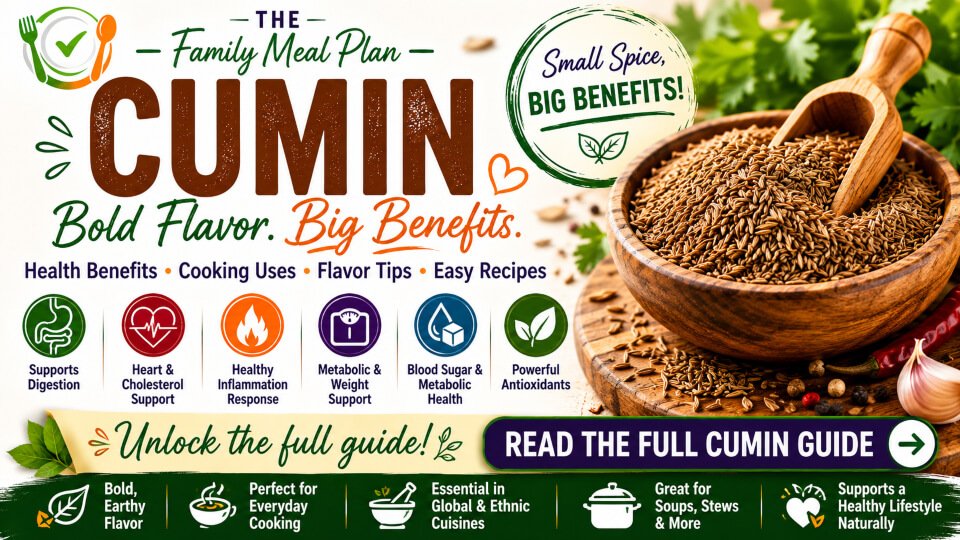
Cumin
The unmistakable aroma of cumin often fills the kitchen long before the first bite is served. Just a small spoonful can transform simple ingredients with warm, earthy depth, making this distinctive spice a cornerstone of cuisines across the Middle East, North Africa, the Mediterranean, India, Latin America, and beyond. Today, the Health Benefits of Cumin continue attracting growing interest as nutrition studies explore its naturally occurring plant compounds and their potential role in supporting healthy blood sugar metabolism, cardiovascular wellness, digestive health, healthy inflammation responses, metabolic function, and healthy aging. Cumin Nutrition includes naturally occurring plant compounds that continue making this everyday pantry spice an important ingredient in both flavorful cooking and wellness-focused nutrition.
The remarkable flavor of cumin begins with a naturally diverse collection of plant compounds found within its small dried seeds. Cumin Nutrition includes naturally occurring compounds such as cuminaldehyde, terpenes, flavonoids, polyphenols, antioxidant-rich essential oils, and other beneficial plant compounds that continue attracting attention in nutrition studies. These naturally occurring compounds are being explored for their potential role in supporting digestive wellness, cardiovascular health, healthy inflammation responses, metabolic wellness, antioxidant activity, and cellular protection from oxidative stress. As our understanding continues to grow, Cumin Benefits remain an important part of conversations surrounding wholesome, ingredient-focused eating.
Beyond its naturally occurring plant compounds, cumin also provides small amounts of fiber, iron, manganese, calcium, magnesium, and other nutrients while delivering bold flavor with very few calories, sugar, or fat. One of the most practical Cumin Benefits is its ability to build rich, savory flavor through herbs and spices rather than relying heavily on excess sodium, sugar, or highly processed ingredients. This combination of nutritional value and culinary versatility has helped make cumin a trusted pantry staple in health-conscious kitchens around the world.
Beyond its nutritional value, Cooking with Cumin brings warmth and depth to nearly every style of home cooking. It enhances soups, stews, chili, roasted vegetables, grain bowls, bean dishes, poultry, seafood, homemade seasoning blends, and countless Mediterranean, Middle Eastern, Indian, and Latin American recipes. Its distinctive earthy flavor has also made cumin an essential ingredient in curry powders, taco seasonings, spice rubs, and many traditional regional seasoning blends that home cooks rely on every day.
Across cultures and generations, cumin has earned a lasting reputation for bringing both remarkable flavor and naturally occurring plant compounds to everyday meals. Whether you’re exploring the Health Benefits of Cumin, discovering its distinctive Cumin Flavor Profile, or learning How to Use Cumin in more creative ways, this timeless pantry staple continues proving that simple ingredients often create the most memorable family meals.
Quick Health Benefit of Cumin
● May help support healthy digestion and gut function
● Commonly studied for heart health and healthy cholesterol support
● Contains naturally occurring antioxidant compounds that help combat oxidative stress
● May help support healthy inflammation levels throughout the body
● Studied for potential metabolic health and weight-management support
● Contains bioactive compounds that may help support healthy blood sugar regulation
● Provides naturally occurring iron and trace minerals that support overall wellness
● May contribute to healthy aging through antioxidant activity
● Supports flavor-rich cooking without reliance on excess sodium or calories
● Widely used in Mediterranean-style, plant-forward, and whole-food eating patterns
Best Cooking Uses of Cumin
● Chili recipes
● Soups and stews
● Roasted vegetables
● Taco and fajita seasoning blends
● Rice and grain bowls
● Bean and lentil dishes
● Curry recipes
● Mediterranean-inspired meals
● Homemade spice blends
● Healthy meal prep recipes
Recipes You Can Start With: Cumin
Cumin adds warmth, depth, and complexity to many of our most popular recipes, including:
● Healthy Lemon Garlic Chicken
These recipes showcase how cumin can help create flavorful meals while supporting ingredient-focused cooking built around herbs, spices, vegetables, proteins, and whole-food ingredients.
Cumin appears throughout many of our Seafood Recipes, Breakfast & Brunch Recipes, Mediterranean Cooking, and Ingredient Education topics because it delivers warm, earthy flavor while helping create depth and complexity in homemade meals. Whether you’re seasoning beans, grains, vegetables, seafood, soups, stews, or homemade sauces, cumin remains one of the most versatile spices for building rich flavor while supporting simple, ingredient-focused cooking traditions from around the world. For additional recipes, ingredient resources, and growing topic collections, visit The Family Meal Plan Resource Center.
👉 Ready to learn more? Explore the Complete Cumin Guide covering 10+ health benefits commonly associated with cumin, naturally occurring antioxidant compounds, digestive-health research, blood-sugar research, cardiovascular-wellness support, nutritional profile, harvesting and processing methods, flavor characteristics, herb and spice pairings, and practical ways to use cumin in healthy homemade meals.
Turmeric
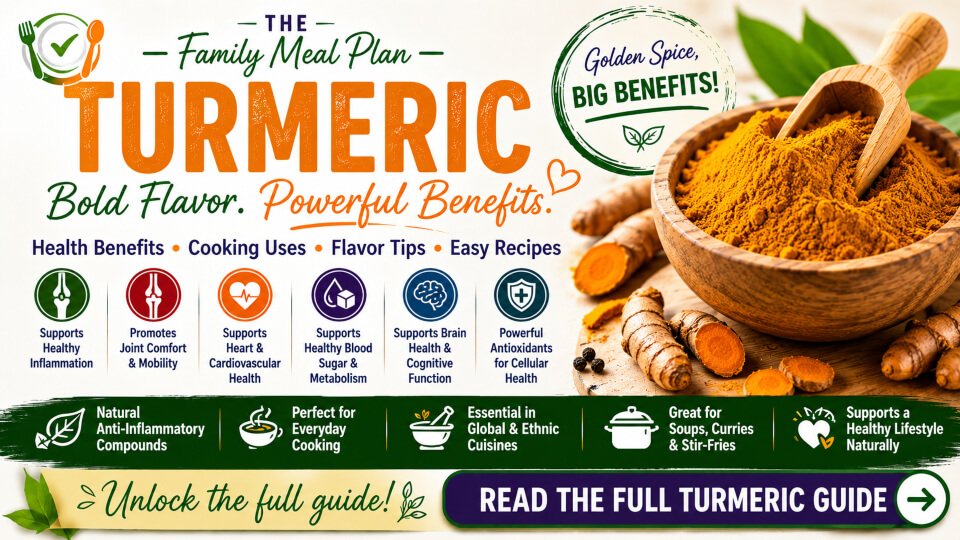
Sometimes the ingredients that make the biggest difference aren’t the ones that take center stage—they’re the quiet pantry staples that slowly earn a permanent place in your favorite recipes. With its warm golden color and distinctive earthy flavor, turmeric has become one of those remarkable ingredients, finding its way into everything from comforting soups and curries to roasted vegetables, rice dishes, smoothies, and wellness-inspired meals. Today, the Health Benefits of Turmeric continue attracting growing interest as nutrition studies explore its naturally occurring compounds and their potential role in supporting healthy inflammation responses, cardiovascular wellness, brain health, joint health, immune function, digestive health, and healthy aging. Turmeric Nutrition includes curcuminoids, essential oils, antioxidants, vitamins, minerals, and other naturally occurring plant compounds that continue making this vibrant spice one of the most appreciated ingredients in everyday cooking.
Turmeric’s brilliant golden color comes primarily from its naturally occurring curcuminoids, especially curcumin, the compound responsible for much of its distinctive appearance and growing nutritional interest. Along with essential oils and other antioxidant-rich plant compounds, these naturally occurring compounds continue attracting attention in nutrition studies exploring cellular protection from oxidative stress, metabolic wellness, and overall wellness. As our understanding continues to grow, Turmeric Benefits and the role of curcumin remain an important part of conversations surrounding colorful, nutrient-rich foods.
Curcumin continues to be studied for its antioxidant activity, its ability to help neutralize free radicals, and its potential role in supporting the body’s natural response to healthy inflammation responses. Nutrition studies also continue exploring turmeric in relation to joint health, heart health, healthy blood sugar metabolism, cognitive function, immune support, digestive wellness, exercise recovery, and healthy aging as part of a balanced healthy diet. Together, these naturally occurring plant compounds help explain why turmeric remains one of today’s most widely studied culinary spices.
Long valued throughout Indian, Southeast Asian, and Middle Eastern cuisines, turmeric has earned a lasting place in kitchens around the world because of its warm, earthy flavor and vibrant golden color. Today, nutrition studies continue expanding our understanding of turmeric while home cooks continue appreciating the remarkable flavor, color, and versatility it brings to everyday meals. Although turmeric is not a replacement for medical care or treatment, its long culinary history and naturally occurring plant compounds continue making it one of the world’s most recognizable culinary spices.
Beyond its nutritional interest, Cooking with Turmeric remains one of the easiest ways to add warm color and earthy depth to healthy homemade meals. It enhances soups, rice dishes, roasted vegetables, seafood, poultry, grain bowls, sauces, curries, and seasoning blends without relying on excess sodium, sugar, or heavily processed ingredients. Turmeric pairs especially well with garlic, ginger, cumin, coriander, cinnamon, and black pepper, making it an essential ingredient in Mediterranean-inspired meals, plant-forward recipes, and everyday family cooking. Whether you’re exploring the Health Benefits of Turmeric, discovering its distinctive Turmeric Flavor Profile, or learning How to Use Turmeric in more everyday recipes, this remarkable root continues bringing both exceptional flavor and naturally occurring plant compounds to wholesome family meals.
Quick Health Benefits of Tumeric
● Contains curcumin and other compounds studied for supporting healthy inflammation levels
● May help support joint comfort, mobility, and active aging
● Contains antioxidant compounds associated with cardiovascular and heart health research
● May help support healthy blood sugar regulation and metabolic wellness
● Contains plant compounds being studied for healthy brain function and cognitive aging
● May help support healthy cholesterol levels already within normal ranges
● Supports immune system function through naturally occurring antioxidant activity
● May help protect cells from oxidative stress associated with aging
● Supports overall wellness as part of Mediterranean-style and whole-food eating patterns
● Adds flavor, color, and nutritional value with minimal calories, fat, or sugar
Best Cooking Uses of Tumeric
● Curry dishes
● Rice and grain bowls
● Roasted vegetables
● Soups and stews
● Chicken and turkey recipes
● Seafood dishes
● Lentil and bean recipes
● Smoothies and wellness drinks
● Homemade seasoning blends
● Mediterranean and Indian-inspired meals
Recipes You Can Start With: Turmeric
Turmeric helps add color, flavor, and nutritional value to many healthy family meals, including:
● Healthy Lemon Garlic Chicken
● Easy Baked Lemon Herb Salmon with Vegetables
● Creamy Tuscan White Bean Skillet
These recipes demonstrate how turmeric can complement vegetables, lean proteins, legumes, and whole-food ingredients while supporting a healthier approach to everyday cooking.
Turmeric appears throughout many of our Vegetarian Recipes, Creamy Pasta Recipes, Healthy Lifestyle & Wellness, and Healthy Benefit Foods topics because it delivers vibrant color, earthy flavor, and naturally occurring plant compounds that have attracted significant research interest. Whether you’re preparing plant-based meals, rice dishes, soups, roasted vegetables, grain bowls, or homemade sauces, turmeric helps create flavorful meals while supporting a balanced, ingredient-focused approach to home cooking. For additional recipes, ingredient resources, and growing topic collections, visit The Family Meal Plan Resource Center.
👉 Ready to learn more? Explore the Complete Turmeric Guide covering 10+ health benefits commonly associated with turmeric, curcumin research, naturally occurring antioxidant compounds, inflammation and joint-health studies, heart-health research, blood sugar support, brain-health research, nutritional profile, harvesting and processing methods, flavor characteristics, wellness research, and practical ways to use turmeric in healthy homemade meals.
Cinnamon
Some aromas have a way of making a house feel instantly warmer, more welcoming, and unmistakably like home. Whether it’s sprinkled over warm oatmeal, baked into fresh bread, stirred into applesauce, or added to a favorite family dessert, cinnamon has a remarkable ability to turn simple everyday recipes into comforting memories. Today, the Health Benefits of Cinnamon continue attracting growing interest as nutrition studies explore its naturally occurring compounds and their potential role in supporting healthy blood sugar metabolism, cardiovascular wellness, healthy inflammation responses, brain health, digestive health, immune function, and healthy aging. Cinnamon Nutrition includes cinnamaldehyde, polyphenols, antioxidants, essential oils, vitamins, minerals, and other naturally occurring plant compounds that continue making cinnamon one of the most appreciated spices in kitchens around the world.
What gives cinnamon its unmistakable aroma and comforting flavor is a naturally rich collection of plant compounds found within its bark. Cinnamon Nutrition includes cinnamaldehyde, polyphenols, flavonoids, antioxidants, essential oils, vitamins, minerals, and other naturally occurring plant compounds that continue attracting attention in nutrition studies. Together, these naturally occurring compounds contribute to cinnamon’s distinctive flavor while being explored for their potential role in supporting healthy blood sugar metabolism, heart health, antioxidant protection, cellular protection from oxidative stress, digestive wellness, and metabolic function. As our understanding continues to grow, Cinnamon Benefits remain an important part of conversations surrounding flavorful, nutrient-rich foods.
One of the reasons cinnamon has remained such a well-loved pantry staple is that its familiar flavor and naturally occurring plant compounds continue inspiring both home cooks and nutrition studies alike. Interest continues expanding around cinnamon’s potential role in supporting healthy insulin sensitivity, healthy blood sugar metabolism, cholesterol levels already within a normal range, cardiovascular wellness, healthy inflammation responses, cognitive function, digestive wellness, immune function, and overall metabolic health when enjoyed as part of a balanced healthy diet. These ongoing discoveries continue adding to our understanding of Cinnamon Benefits while reinforcing cinnamon’s lasting place in healthy home cooking.
Although cinnamon is often enjoyed for its naturally sweet flavor, it also contributes a variety of antioxidant-rich plant compounds that add nutritional interest to everyday meals. Even when used in modest amounts, cinnamon brings exceptional flavor, inviting aroma, and naturally occurring compounds that make it an easy addition to wholesome recipes. This balance of flavor, versatility, and nutritional value helps explain why cinnamon continues to be appreciated in kitchens around the world.
Beyond its nutritional value, Cooking with Cinnamon remains one of the easiest ways to add warmth, sweetness, and depth of flavor without relying on excessive added sugars. From oatmeal, smoothies, yogurt bowls, and coffee beverages to roasted vegetables, grain bowls, baked goods, healthy desserts, and savory recipes, cinnamon enhances both sweet and savory dishes while fitting naturally into a whole-food approach to family cooking. Whether you’re exploring the Health Benefits of Cinnamon, discovering its distinctive Cinnamon Flavor Profile, or learning How to Use Cinnamon in more everyday recipes, this timeless spice continues proving that simple ingredients often create the most memorable family meals.
Quick Health Benefits of Cinnamon
● May help support healthy blood sugar regulation and insulin sensitivity
● Contains powerful antioxidant compounds that help combat oxidative stress
● May support heart health by helping maintain healthy cholesterol and triglyceride levels
● Contains anti-inflammatory compounds studied for supporting healthy inflammation responses
● May support healthy brain function, memory, and cognitive wellness
● Contains antimicrobial compounds that may help support immune health
● May contribute to healthy metabolic function and weight-management efforts
● Contains polyphenols associated with healthy aging and cellular protection
● May help support digestive comfort and gastrointestinal wellness
● Naturally enhances sweetness, helping reduce reliance on added sugars in recipes
Best Cooking Uses of Cinnamon
● Oatmeal and breakfast bowls
● Smoothies and protein shakes
● Coffee, tea, and warm beverages
● Healthy baked goods
● Fruit-based desserts
● Roasted sweet potatoes
● Apple recipes
● Homemade granola
● Spice rubs and seasoning blends
● Mediterranean, Middle Eastern, and global-inspired dishes
Recipes You Can Start With: Cinnamon
Cinnamon brings warmth, natural sweetness, and aromatic flavor to many healthy family meals, including:
● Apple Cinnamon Baked Oatmeal
● Cinnamon Roasted Sweet Potatoes
These recipes demonstrate how cinnamon can enhance flavor while helping create satisfying meals that rely less on added sugars and heavily processed ingredients.
Cinnamon appears throughout many of our Breakfast & Brunch Recipes, Creamy Pasta Recipes, Healthy Lifestyle & Wellness, and Seasonal Cooking topics because it delivers exceptional flavor while complementing a balanced, wellness-focused lifestyle. Whether you’re preparing oatmeal, yogurt bowls, smoothies, fruit-based recipes, coffee beverages, roasted vegetables, healthy desserts, or homemade spice blends, cinnamon provides a simple way to add warmth, flavor, and naturally occurring antioxidant compounds to everyday meals. For additional recipes, ingredient resources, and growing topic collections, visit The Family Meal Plan Resource Center.
👉 Ready to learn more? Explore the Complete Cinnamon Guide covering 10+ health benefits commonly associated with cinnamon, naturally occurring antioxidant compounds, blood sugar and insulin research, heart-health studies, anti-inflammatory properties, cognitive-health research, nutritional profile, Ceylon vs. Cassia cinnamon differences, wellness research, and practical ways to use cinnamon in healthy homemade meals.

💡 Fresh and dried herbs are some of the most powerful flavor-building ingredients in home cooking. Beyond aroma and taste, many herbs also contain naturally occurring antioxidants, plant compounds, vitamins, and minerals commonly associated with wellness-focused and balanced dietary patterns.
Fresh & Dried Culinary Herbs

💡 Sometimes the smallest ingredients make the biggest difference. A handful of fresh basil, a sprinkle of oregano, or a few leaves of rosemary can completely change the flavor, aroma, and character of a meal while adding naturally occurring plant compounds that continue attracting interest in nutrition studies. Fresh and dried culinary herbs remain some of the simplest ways to build vibrant flavor, reduce reliance on heavily processed seasonings, and bring more variety to healthy home cooking.
Every culinary herb has its own story to tell through its flavor, aroma, and naturally occurring plant compounds. Basil, oregano, rosemary, thyme, parsley, cilantro, dill, sage, mint, and bay leaves each contribute their own distinctive blend of antioxidants, flavonoids, aromatic oils, chlorophyll, vitamins, minerals, and other naturally occurring compounds. Today’s nutrition studies continue exploring how these compounds may help support healthy inflammation responses, cardiovascular wellness, digestive health, immune function, healthy aging, and overall wellness as part of a balanced healthy diet.
Many of the world’s healthiest ways of eating—including Mediterranean-inspired, plant-forward, and whole-food meals—rely on herbs to create fresh, satisfying flavor while highlighting vegetables, fruits, legumes, whole grains, seafood, lean proteins, olive oil, and other wholesome ingredients. Even though herbs are typically used in modest amounts, they contribute flavor diversity, nutritional variety, and naturally occurring plant compounds that complement a balanced approach to everyday eating.
One of the greatest advantages of Cooking with Fresh and Dried Herbs is their ability to create vibrant, satisfying flavor while helping reduce reliance on excessive sodium, heavily processed seasoning blends, artificial flavor enhancers, and rich sauces. A simple combination of herbs can transform everyday ingredients into meals that feel fresh, balanced, and restaurant-quality while remaining easy to prepare at home.
Fresh herbs often deliver bright flavor, vibrant color, and delicate finishing notes that elevate salads, vegetables, seafood, poultry, sauces, and grain bowls. Dried herbs provide concentrated flavor and excellent convenience, making them ideal for soups, stews, marinades, roasted vegetables, slow-cooked meals, meal prep recipes, and family dinners. Together, fresh and dried culinary herbs offer unique strengths that make it easy to enjoy exceptional flavor while adding naturally occurring plant compounds to everyday cooking.
Whether you’re hoping to support heart health, add more antioxidant-rich ingredients to your meals, improve flavor without excess sodium, or simply become more confident in the kitchen, understanding the strengths of individual herbs can help you prepare healthier, more flavorful meals throughout the week.
Inside this guide, you’ll discover the Health Benefits of Fresh and Dried Culinary Herbs, the naturally occurring compounds found in each herb, flavor profiles, cooking uses, herb pairings, fresh-versus-dried comparisons, storage recommendations, wellness research highlights, and practical ways to incorporate herbs into healthy homemade meals.
👇 Explore the individual herb guides below to discover their unique health benefits, cooking uses, flavor pairings, storage tips, nutritional highlights, and practical ways to enjoy each herb in everyday cooking.
💡 Every herb has something different to offer. Some bring bright freshness, others add deep earthy flavor, while many contribute naturally occurring plant compounds that continue attracting interest in nutrition studies. Learning how each herb complements different recipes is one of the easiest ways to create more flavorful, wholesome meals using simple everyday ingredients.
Basil
There is something special about the moment fresh herbs are added to a meal. As basil is scattered over warm pasta, layered onto homemade pizza, stirred into soups, or blended into fresh pesto, its unmistakable aroma instantly makes the kitchen feel brighter, fresher, and more inviting. Today, the Health Benefits of Basil continue attracting growing interest as nutrition studies explore its naturally occurring compounds and their potential role in supporting healthy inflammation responses, cardiovascular wellness, brain health, immune function, digestive health, and healthy aging. Basil Nutrition includes aromatic oils, flavonoids, antioxidants, vitamins, minerals, and other naturally occurring plant compounds that continue making basil one of the most appreciated herbs in everyday home cooking.
Basil’s fresh, unmistakable flavor comes from a naturally diverse collection of aromatic oils and beneficial plant compounds found throughout its leaves. Basil Nutrition includes eugenol, linalool, rosmarinic acid, orientin, vicenin, and other antioxidant-rich compounds that continue attracting attention in nutrition studies. These naturally occurring compounds are being explored for their potential role in supporting healthy inflammation responses, cardiovascular wellness, healthy blood sugar metabolism, cellular protection from oxidative stress, and overall metabolic wellness. As our understanding continues to grow, Basil Benefits remain an important part of conversations surrounding fresh herbs and wholesome home cooking.
Although fresh basil is typically enjoyed in smaller amounts than vegetables, it contributes vitamin K, vitamin A precursors, vitamin C, manganese, and a variety of naturally occurring plant compounds that add both nutritional interest and fresh flavor to everyday meals. This balance of nutrition and versatility has helped establish basil as one of the signature herbs of Mediterranean cooking, making it an easy addition to vegetable-forward meals, heart-conscious recipes, and wholesome family cooking built around fresh ingredients.
Beyond its nutritional value, Cooking with Basil remains one of the easiest ways to bring bright, fresh flavor to everyday meals without relying on excess sodium, added sugars, or highly processed ingredients. Its slightly sweet, peppery character complements vegetables, seafood, poultry, pasta dishes, soups, grain bowls, homemade sauces, sandwiches, pizzas, and healthy meal-prep recipes. Whether blended into homemade pesto, layered over fresh tomatoes, stirred into soups, or added to grilled seafood and chicken, basil continues proving that simple herbs often create the biggest impact at the family table.
From its unmistakable aroma and exceptional culinary versatility to its naturally occurring plant compounds, basil continues earning its place as one of the world’s most appreciated culinary herbs. Whether you’re exploring the Health Benefits of Basil, discovering its distinctive Basil Flavor Profile, or learning How to Use Basil in more everyday recipes, this timeless herb continues inspiring flavorful Mediterranean-style cooking, healthy homemade meals, and simple family recipes built around fresh ingredients.
Quick Health Benefits of Basil
● Rich in antioxidant compounds that may help support healthy inflammation levels
● Contains plant compounds being studied for blood sugar regulation and metabolic wellness
● May help support heart health and cardiovascular function through antioxidant activity
● Provides compounds associated with protection against oxidative stress and cellular health
● Contains naturally occurring plant oils studied for cognitive wellness and stress support
● Supports immune health through a variety of beneficial phytonutrients
● Contains vitamin K, an important nutrient for normal bone health and blood clotting
● May help support healthy digestion as part of a balanced whole-food diet
● Contributes beneficial flavonoids and polyphenols associated with healthy aging
● Adds significant flavor with virtually no calories, fat, or sugar
● Supports Mediterranean-style, vegetable-forward, and whole-food eating patterns
● May help reduce reliance on highly processed sauces, flavor enhancers, and excess sodium
Best Cooking Uses of Basil
● Homemade pesto
● Pasta dishes
● Mediterranean recipes
● Tomato-based sauces
● Fresh salads
● Chicken and turkey recipes
● Seafood dishes
● Soups and stews
● Grain bowls
● Roasted vegetables
● Homemade dressings and marinades
● Pizza and flatbreads
Recipes You Can Start With: Basil
Fresh basil helps create bright, flavorful meals in many of our favorite recipes, including:
● Healthy Lemon Garlic Chicken
● Easy Baked Lemon Herb Salmon with Vegetables
These recipes demonstrate how basil can enhance flavor while supporting a simple whole-food approach to everyday cooking.
Basil appears throughout many of our Vegetarian Recipes, Pasta Recipes, Mediterranean Cooking, and Ingredient Education topics because it delivers fresh, vibrant flavor while complementing a wide variety of nutrient-dense ingredients. Whether you’re preparing salads, vegetables, seafood, poultry, grain bowls, pasta dishes, soups, or homemade pesto, basil helps create bright, restaurant-quality flavor while supporting simple, ingredient-focused home cooking. For additional recipes, ingredient resources, and growing topic collections, visit The Family Meal Plan Resource Center.
👉 Ready to learn more? Explore the Complete Basil Guide covering 10+ health benefits commonly associated with basil, naturally occurring antioxidant compounds, cognitive-health research, healthy-aging support, cardiovascular-wellness research, nutritional profile, flavor characteristics, fresh-versus-dried basil comparisons, Mediterranean culinary traditions, and practical ways to use basil in healthy homemade meals.
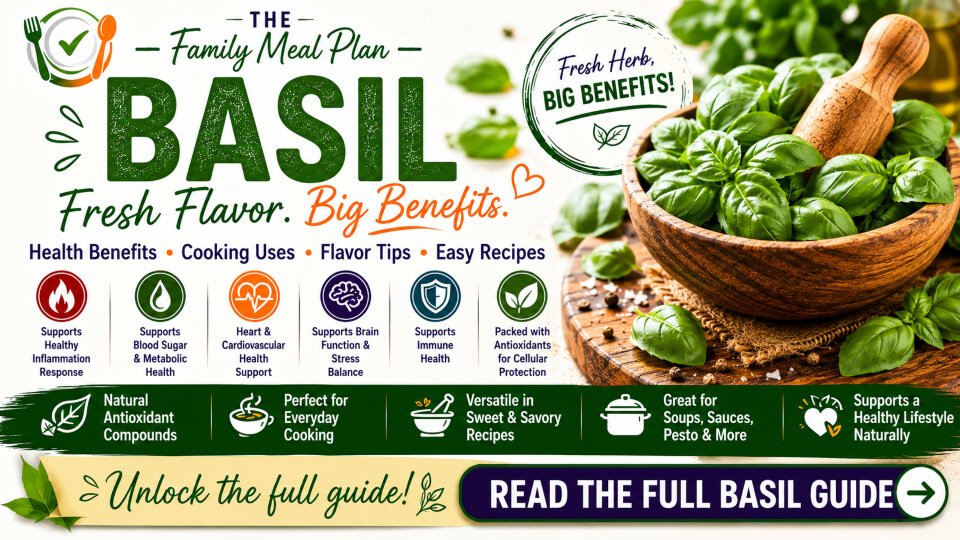
Oregano
Some flavors become so familiar that we hardly notice how much they shape the meals we love most. Whether sprinkled over homemade pizza, stirred into pasta sauce, blended into marinades, or added to roasted vegetables, oregano quietly brings warmth, depth, and unmistakable Mediterranean character to everyday cooking. Today, the Health Benefits of Oregano continue attracting growing interest as nutrition studies explore its naturally occurring compounds and their potential role in supporting healthy inflammation responses, immune function, digestive health, cardiovascular wellness, cellular protection from oxidative stress, and healthy aging. Oregano Nutrition includes carvacrol, thymol, rosmarinic acid, flavonoids, antioxidants, vitamins, minerals, and other naturally occurring plant compounds that continue making oregano one of the most valued herbs in home kitchens around the world.
Oregano’s bold flavor and unmistakable aroma come from a naturally rich collection of plant compounds found throughout its leaves. Oregano Nutrition includes carvacrol, thymol, rosmarinic acid, flavonoids, antioxidants, vitamins, minerals, and other naturally occurring compounds that continue attracting attention in nutrition studies. These naturally occurring plant compounds are being explored for their potential role in supporting normal cellular health, healthy inflammation responses, immune function, cardiovascular wellness, antioxidant activity, and overall wellness. As our understanding continues to grow, Oregano Benefits continue making this Mediterranean herb an important part of wholesome, everyday cooking.
Oregano’s appeal extends well beyond its bold flavor. It is one of the richest culinary sources of naturally occurring antioxidant compounds commonly found in everyday kitchens and has become one of the signature herbs of Mediterranean-inspired cooking. Its naturally occurring plant compounds and long culinary tradition continue making oregano an important part of conversations surrounding cardiovascular wellness, healthy aging, and ingredient-focused home cooking built around fresh, wholesome foods.
Beyond its nutritional value, Cooking with Oregano remains one of the easiest ways to add bold, savory flavor without relying on significant calories, added sugars, or excess sodium. Whether sprinkled into pasta sauces, stirred into soups, blended into marinades, roasted with vegetables, or used to season chicken, seafood, grain bowls, and family dinners, oregano transforms simple ingredients into satisfying meals built around wholesome, everyday foods.
From its bold Mediterranean flavor to its naturally occurring plant compounds, oregano continues earning its place as one of the world’s most versatile culinary herbs. Whether you’re exploring the Health Benefits of Oregano, discovering its distinctive Oregano Flavor Profile, or learning How to Use Oregano in more everyday recipes, this timeless herb continues proving that simple ingredients often create the most memorable family meals.
Quick Health Benefits of Oregano
● Rich in antioxidant compounds that may help support healthy inflammation levels
● Contains plant compounds being studied for heart health and cardiovascular wellness
● Provides naturally occurring compounds associated with immune system support
● Contains antioxidant compounds being researched for healthy blood sugar regulation
● May help protect cells from oxidative stress associated with healthy aging
● Supports Mediterranean-style and whole-food dietary patterns linked to long-term wellness
● Contains rosmarinic acid, carvacrol, and thymol, some of the most studied compounds found in culinary herbs
● May help support digestive wellness as part of a balanced diet
● Contains naturally occurring compounds being studied for cognitive and brain health support
● Adds bold flavor with virtually no calories, sugar, or unhealthy fats
● May help reduce reliance on heavily processed flavor enhancers and excess sodium
● Supports vegetable-forward and nutrient-dense meal planning
Best Cooking Uses of Oregano
● Pasta sauces
● Pizza and Italian-inspired recipes
● Roasted vegetables
● Chicken and turkey dishes
● Seafood recipes
● Soups and stews
● Homemade seasoning blends
● Grain bowls
● Mediterranean-inspired meals
● Salad dressings and marinades
Recipes You Can Start With: Oregano
Oregano helps create rich Mediterranean-inspired flavor in many of our favorite recipes, including:
● Easy Baked Lemon Herb Salmon with Vegetables
● Creamy Tuscan White Bean Skillet
These recipes demonstrate how oregano can enhance flavor while supporting a healthy, whole-food approach to everyday cooking.
Oregano appears throughout many of our Seafood Recipes, Pasta Recipes, Flavor & Seasoning Guides, Mediterranean Cooking, Homemade Sauces & Marinades, and Vegetable-Forward Cooking resources because it delivers exceptional flavor with minimal ingredients. Whether you’re preparing lean proteins, vegetables, grain bowls, homemade dressings, pasta sauces, soups, or sheet pan dinners, oregano helps build restaurant-quality flavor while supporting ingredient-focused home cooking.
👉 Ready to learn more? Explore the Complete Oregano Guide covering 10+ health benefits commonly associated with oregano, naturally occurring antioxidant compounds, carvacrol and thymol research, heart-health support, immune-system benefits, harvesting and drying methods, nutritional profile, Mediterranean diet connections, wellness research, and practical ways to use oregano in healthy homemade meals.
➡️ Read the Full Oregano Guide: Health Benefits of Oregano: Nutrition, Flavor Profile & Best Cooking Uses
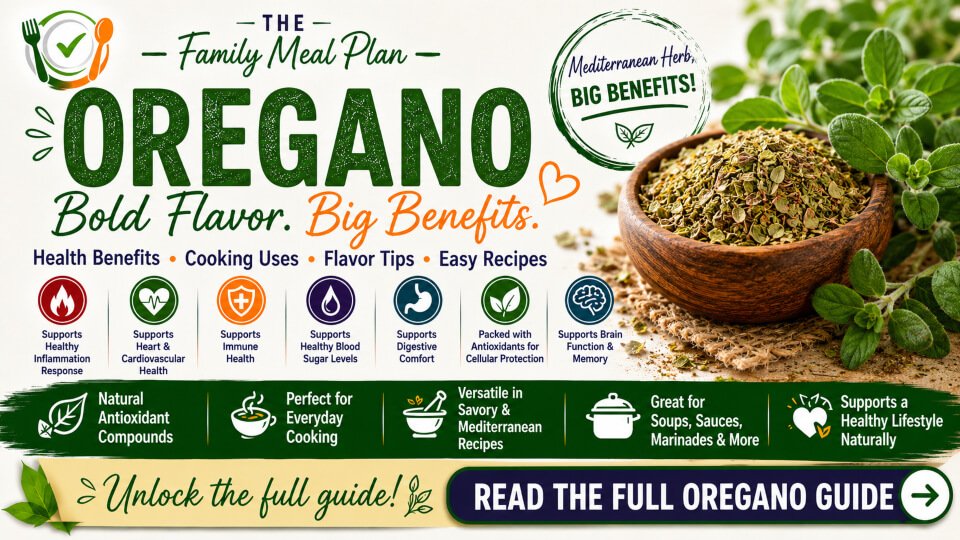
Thyme
Some ingredients quietly make dinner better without ever trying to steal the spotlight. A little thyme can bring roasted chicken, vegetables, soups, seafood, potatoes, and sauces together with an earthy, savory flavor that feels right at home in everyday cooking. Beyond that dependable place in the kitchen, the Health Benefits of Thyme continue attracting growing interest as nutrition studies explore its naturally occurring compounds and their potential role in supporting healthy immune function, healthy inflammation responses, cardiovascular wellness, respiratory health, digestive wellness, cognitive health, and healthy aging. Thyme Nutrition includes thymol, carvacrol, rosmarinic acid, luteolin, apigenin, flavonoids, and other naturally occurring plant compounds that contribute to thyme’s distinctive aroma, robust flavor, and growing nutritional interest.
There’s a reason thyme feels so naturally at home in everything from roasted chicken and vegetables to soups, seafood, beans, and homemade sauces. Its earthy, savory flavor adds depth without overpowering the rest of the meal, making it one of those dependable herbs that quietly helps everyday ingredients taste more complete. A member of the mint family (Lamiaceae), thyme has become especially well known throughout Mediterranean and European cooking, where its versatility continues making it a favorite for simple, wholesome meals prepared at home.
One of thyme’s greatest strengths is how much naturally occurring goodness is packed into such a small culinary herb. Today’s nutrition studies continue exploring thyme in relation to healthy immune function, healthy inflammation responses, cardiovascular wellness, cellular protection from oxidative stress, respiratory comfort, digestive wellness, and healthy cognitive aging. As our understanding continues to grow, Thyme Benefits continue demonstrating how even small amounts of herbs can bring both exceptional flavor and valuable plant compounds to everyday meals.
Even though thyme is usually added by the teaspoon rather than the cupful, Thyme Nutrition still provides an interesting mix of naturally occurring vitamins, minerals, essential oils, and antioxidant-rich plant compounds. Together, these compounds contribute to thyme’s characteristic fragrance and savory flavor while adding another layer of nutritional variety to healthy home cooking. Its natural fit with vegetables, beans, seafood, whole grains, olive oil, and lean proteins also makes thyme an easy addition to Mediterranean-inspired meals and a balanced healthy diet.
Beyond its nutritional value, Cooking with Thyme remains one of the easiest ways to add bold herbal flavor without relying on excess sodium, added sugars, or heavily processed ingredients. Whether used fresh or dried, thyme enhances roasted vegetables, hearty soups, grilled chicken, seafood, potatoes, beans, mushrooms, homemade sauces, and seasoning blends, making it one of the most versatile herbs for healthy family meals.
With more than 10 commonly discussed Thyme Benefits, a remarkable collection of aromatic essential oils and naturally occurring plant compounds, and countless uses in everyday cooking, thyme offers far more than its familiar flavor. Whether you’re exploring the Health Benefits of Thyme, discovering its distinctive Thyme Flavor Profile, or learning How to Use Thyme in more everyday recipes, this dependable herb makes it easy to bring more flavor, variety, and wholesome ingredients to the family table.
Quick Health Benefits of Thyme
● Rich in thymol and carvacrol, plant compounds studied for supporting healthy immune function
● Contains powerful antioxidants that may help support healthy inflammation responses and reduce oxidative stress
● May help support cardiovascular wellness as part of an overall balanced healthy diet
● Traditionally associated with respiratory comfort and seasonal wellness support
● Contains rosmarinic acid and flavonoids studied for healthy brain function and cognitive aging
● May help promote digestive comfort and support a healthy gut environment
● Contains naturally occurring antimicrobial compounds that continue to be explored for their potential role in overall wellness
● Provides vitamin K, vitamin C, manganese, and other beneficial micronutrients
● Supports Mediterranean-style eating patterns associated with healthy longevity
● Adds exceptional flavor while helping reduce reliance on excess sodium and heavily processed seasonings
Best Cooking Uses of Thyme
● Roasted chicken and turkey
● Seafood dishes
● Vegetable soups and stews
● Roasted potatoes and root vegetables
● Bean and lentil recipes
● Homemade sauces and gravies
● Mediterranean-inspired meals
● Stuffing and grain bowls
● Mushroom dishes
● Homemade herb seasoning blends
Recipes You Can Start With: Thyme
Thyme has long been one of the signature herbs of Mediterranean and European home cooking because it pairs naturally with poultry, seafood, vegetables, potatoes, beans, soups, sauces, mushrooms, and roasted dishes. Its earthy, savory flavor complements a wide variety of ingredients while blending beautifully with herbs such as rosemary, oregano, parsley, marjoram, sage, and savory to create countless regional flavor combinations.
Every family develops its own favorite seasoning style. Fresh or dried thyme can often be added, adjusted, or paired with other complementary herbs to create flavors that reflect your family’s tastes, seasonal ingredients, cultural traditions, and personal cooking preferences.
Here are a few great recipes to begin exploring thyme in everyday home cooking:
● Easy Baked Lemon Herb Salmon with Vegetables
● Healthy Lemon Garlic Chicken
● Creamy Tuscan White Bean Skillet
Learn more about cooking with thyme, complementary herbs, common substitutions, flavor pairings, fresh versus dried thyme, and practical ways to use this versatile herb throughout the Complete Thyme Guide.
You’ll also find thyme featured throughout many of our Chicken Recipes, Seafood Recipes, Vegetarian Recipes, Meal Prep Recipes & Planning, and Cooking Tips & Guides. For additional recipes, ingredient resources, and growing topic collections, visit The Family Meal Plan Resource Center.
👉 Ready to learn more? Explore the Complete Thyme Guide covering 10+ health benefits commonly associated with thyme, the science behind thymol, carvacrol, and rosmarinic acid, immune and respiratory wellness research, antioxidant compounds, nutritional profile, fresh vs. dried thyme, Mediterranean culinary traditions, wellness research, and practical ways to incorporate thyme into healthy homemade meals.

Rosemary
The unmistakable aroma of rosemary has a way of making an ordinary meal feel like something special. Whether it’s seasoning roasted chicken, fresh vegetables, rustic breads, or Mediterranean-inspired family dinners, this fragrant herb fills the kitchen with a warm, woodsy aroma that feels both comforting and timeless. Today, the Health Benefits of Rosemary continue attracting growing interest as nutrition studies explore its naturally occurring compounds and their potential role in supporting healthy brain function, memory, healthy inflammation responses, cardiovascular wellness, healthy blood sugar metabolism, digestive health, immune function, and healthy aging. Rosemary Nutrition includes rosmarinic acid, carnosic acid, carnosol, ursolic acid, caffeic acid, antioxidants, and other naturally occurring plant compounds that contribute to rosemary’s distinctive fragrance, flavor, and growing nutritional interest.
Rosemary has earned its place as one of the defining herbs of Mediterranean cooking because of its remarkable ability to add bold flavor to simple ingredients. Whether paired with poultry, beef, lamb, seafood, vegetables, potatoes, breads, soups, sauces, olive oil, or roasted dishes, Cooking with Rosemary remains one of the easiest ways to create satisfying meals without relying on excess sodium, added sugars, or heavily processed flavor enhancers.
Rosemary’s naturally occurring plant compounds continue attracting attention because they connect with many of the wellness topics home cooks are most interested in today. Nutrition studies continue exploring rosemary in relation to cognitive function, healthy memory with aging, healthy inflammation responses, cellular protection from oxidative stress, cardiovascular wellness, healthy blood sugar metabolism, digestive comfort, and immune function. As our understanding continues to grow, Rosemary Benefits continue reinforcing this herb’s lasting place in both wholesome cooking and nutrition conversations.
Even when used in modest culinary amounts, Rosemary Nutrition provides naturally occurring antioxidants, essential oils, polyphenols, vitamins, minerals, and other beneficial plant compounds that contribute to its bold aroma and distinctive flavor. Rosemary’s long association with Mediterranean-inspired cooking also reflects how flavorful herbs can naturally complement vegetables, olive oil, whole grains, seafood, and lean proteins as part of a balanced healthy diet.
Beyond its nutritional value, rosemary has earned a reputation as one of the most versatile herbs for healthy home cooking. Its bold, woodsy flavor enhances roasted vegetables, grilled meats, seafood, potatoes, breads, beans, olive oil, soups, tomato sauces, and countless Mediterranean-inspired dishes. Whether used fresh or dried, rosemary continues proving that simple herbs can create deeply satisfying meals built around fresh ingredients and balanced family cooking.
From its unmistakable aroma to its naturally occurring plant compounds and exceptional versatility, rosemary continues earning its place as one of the world’s most appreciated culinary herbs. Whether you’re exploring the Health Benefits of Rosemary, discovering its distinctive Rosemary Flavor Profile, or learning How to Use Rosemary in more everyday recipes, this timeless Mediterranean herb continues bringing bold flavor, wholesome ingredients, and lasting inspiration to family meals.
Quick Health Benefits of Rosemary
● Rich in rosmarinic acid and carnosic acid, antioxidant compounds studied for healthy brain function and memory support
● Contains powerful polyphenols that may help support healthy inflammation responses and reduce oxidative stress
● May help support cardiovascular wellness as part of an overall healthy dietary pattern
● Studied for helping support healthy blood sugar metabolism and insulin sensitivity
● Contains plant compounds associated with healthy cognitive aging and nervous system protection
● May help promote healthy digestion and digestive comfort
● Contains naturally occurring antimicrobial compounds that continue to receive scientific attention
● Provides vitamin K, manganese, iron, calcium, and other beneficial micronutrients
● Supports Mediterranean-style eating patterns associated with long-term wellness and healthy aging
● Adds exceptional flavor while helping reduce reliance on excess sodium and heavily processed seasonings
Best Cooking Uses of Rosemary
● Roasted chicken and turkey
● Beef and lamb roasts
● Baked salmon and seafood
● Roasted potatoes
● Mediterranean vegetables
● Homemade breads and focaccia
● Olive oil infusions and marinades
● Soups and stews
● Tomato sauces
● Homemade herb seasoning blends
Recipes You Can Start With: Rosemary
Rosemary has long been one of the defining herbs of Mediterranean home cooking because it pairs naturally with poultry, beef, lamb, seafood, potatoes, vegetables, breads, olive oil, beans, soups, and roasted dishes. Its bold, aromatic flavor blends beautifully with herbs such as thyme, oregano, parsley, sage, garlic, basil, and marjoram to create many of the world’s most recognizable herb combinations.
Every family develops its own favorite seasoning style. Fresh or dried rosemary can often be added, adjusted, or combined with complementary herbs to create flavors that reflect your family’s tastes, seasonal ingredients, cultural traditions, and personal cooking preferences.
Here are a few great recipes to begin exploring rosemary in everyday home cooking:
● Easy Baked Lemon Herb Salmon with Vegetables
● Healthy Lemon Garlic Chicken
● Garlic Butter Steak Bites with Potatoes
Learn more about cooking with rosemary, complementary herbs, common substitutions, flavor pairings, fresh versus dried rosemary, and practical ways to use this versatile herb throughout the Complete Rosemary Guide.
Rosemary brings bold Mediterranean flavor to everything from quick weeknight dinners to slow-roasted family favorites. Explore even more ways to cook with this timeless herb throughout our Beef Recipes, Weekend Recipes, 30-Minute Meals, Breakfast & Brunch Recipes, and Flavor & Seasoning Guides. As our recipe library continues to grow, you’ll discover even more ingredient guides, meal plans, and fresh cooking inspiration inside The Family Meal Plan Resource Center.
👉 Ready to learn more? Explore the Complete Rosemary Guide covering 10+ health benefits commonly associated with rosemary, the science behind rosmarinic acid, carnosic acid, carnosol, and ursolic acid, brain and memory research, healthy inflammation support, cardiovascular and blood sugar wellness, antioxidant compounds, nutritional profile, fresh vs. dried rosemary, Mediterranean culinary traditions, wellness research, and practical ways to incorporate rosemary into healthy homemade meals.

Parsley
One of the easiest ways to make a homemade meal look fresher, taste brighter, and feel more complete often comes at the very end. A generous handful of fresh parsley can transform soups, roasted vegetables, potatoes, pasta dishes, salads, seafood, and countless family favorites with vibrant color and clean, garden-fresh flavor. Beyond its familiar place as a finishing herb, the Health Benefits of Parsley continue attracting growing interest as nutrition studies explore its naturally occurring compounds and their potential role in supporting healthy inflammation responses, cardiovascular wellness, healthy blood sugar metabolism, immune function, kidney health, digestive wellness, bone strength, eye health, and healthy aging. Parsley Nutrition includes vitamin K, vitamin C, beta-carotene, flavonoids, chlorophyll, and numerous naturally occurring plant compounds that continue making parsley one of the most nutrient-rich culinary herbs found in everyday kitchens.
Parsley’s bright flavor and vibrant green color come from a remarkable collection of naturally occurring plant compounds. Parsley Nutrition includes apigenin, luteolin, myristicin, apiol, chlorophyll, vitamin C, vitamin K, beta-carotene, antioxidants, and other naturally occurring compounds that continue attracting attention in nutrition studies. Together, these compounds contribute to parsley’s fresh flavor, vibrant appearance, and growing role in wholesome, ingredient-focused cooking. As our understanding continues to grow, Parsley Benefits continue highlighting why this familiar herb remains an important part of healthy home kitchens.
Fresh parsley has remained a favorite throughout Mediterranean, European, and Middle Eastern cooking because of its remarkable ability to brighten almost any meal. A member of the parsley family (Apiaceae), parsley complements chicken, seafood, beef, lamb, eggs, potatoes, vegetables, soups, salads, grain bowls, pasta dishes, sauces, and homemade herb blends while naturally enhancing flavor without relying on excess sodium or heavily processed seasonings. Whether used as a finishing garnish or stirred directly into recipes, Cooking with Parsley brings a freshness that few herbs can match.
Parsley’s naturally occurring plant compounds continue attracting attention because they relate to many of the wellness topics home cooks are most interested in today. Nutrition studies continue exploring parsley in relation to cardiovascular wellness, healthy blood sugar metabolism, healthy inflammation responses, cellular protection from oxidative stress, healthy kidney function, normal fluid balance, digestive comfort, immune function, eye health, and bone strength through its naturally high vitamin K content. Together, these discoveries continue expanding our understanding of Parsley Benefits while reinforcing parsley’s place as one of the most nutrient-rich herbs in everyday cooking.
Even when enjoyed in modest amounts, Parsley Nutrition provides remarkable levels of vitamin K along with vitamin C, vitamin A precursors, folate, potassium, iron, calcium, magnesium, chlorophyll, carotenoids, flavonoids, and other naturally occurring plant compounds. This impressive nutritional variety, combined with parsley’s fresh flavor and vibrant color, makes it an easy way to add both flavor and naturally occurring nutrients to homemade meals. Its long association with Mediterranean-inspired cooking also reflects how simple herbs can complement a balanced healthy diet built around wholesome ingredients.
From its fresh flavor and vibrant color to its naturally occurring plant compounds and remarkable versatility, parsley continues earning its place as one of the world’s most appreciated culinary herbs. Whether you’re exploring the Health Benefits of Parsley, discovering its distinctive Parsley Flavor Profile, or learning How to Use Parsley in more everyday recipes, this dependable herb continues bringing freshness, flavor, and nutritional variety to family meals.
Quick Health Benefits of Parsley
● Exceptionally rich in vitamin K, supporting normal bone health and healthy blood clotting
● Rich in flavonoids including apigenin and luteolin that are widely studied for antioxidant and healthy inflammation support
● May help support cardiovascular wellness through its antioxidant, folate, and potassium content
● Studied for helping maintain healthy blood sugar metabolism as part of a balanced diet
● Contains vitamin C and other antioxidants that help support healthy immune function
● Provides beta-carotene, lutein, and vitamin A that support normal eye health
● Naturally contains chlorophyll and plant compounds associated with cellular protection from oxidative stress
● Traditionally used to support healthy kidney function and normal fluid balance
● May help promote healthy digestion and digestive comfort
● Adds fresh flavor while helping reduce reliance on excess sodium and heavily processed seasonings
Best Cooking Uses of Parsley
● Fresh garden salads
● Grilled chicken and turkey
● Baked salmon and seafood
● Roasted potatoes
● Pasta dishes
● Soups and stews
● Homemade chimichurri
● Tabbouleh and Mediterranean salads
● Garlic herb butter
● Fresh herb seasoning blends
Recipes You Can Start With: Parsley
Parsley is one of the world’s most versatile culinary herbs because its fresh flavor complements nearly every style of home cooking. It pairs naturally with garlic, lemon, basil, oregano, rosemary, thyme, dill, cilantro, chives, and countless vegetables, making it one of the easiest herbs to incorporate into everyday meals.
Whether sprinkled over finished dishes or blended into sauces, marinades, soups, salads, and grain bowls, parsley helps brighten flavors while adding valuable nutrients to simple homemade cooking.
Here are a few great recipes to begin exploring parsley in everyday home cooking:
● Healthy Chicken Vegetable Stir Fry
● Creamy Tuscan White Bean Skillet
● Sticky Honey Garlic Tofu Stir Fry
Learn more about cooking with parsley, complementary herbs, common substitutions, flavor pairings, flat-leaf versus curly parsley, nutritional differences, and practical ways to use this versatile herb throughout the Complete Parsley Guide.
Parsley brings fresh flavor and vibrant nutrition to everything from quick weeknight meals to elegant family dinners. Discover even more ways to cook with this versatile herb throughout our Healthy Recipes, Seafood Recipes, Cooking Tips & Guides, Meal Prep Recipes & Planning, and Flavor & Seasoning Guides. As our recipe library continues to grow, you’ll discover even more ingredient guides, meal plans, and fresh cooking inspiration inside The Family Meal Plan Resource Center.
👉 Ready to learn more? Explore the Complete Parsley Guide covering 10+ health benefits commonly associated with parsley, the science behind apigenin, luteolin, chlorophyll, carotenoids, vitamin K, vitamin C, and antioxidant-rich polyphenols, cardiovascular and blood sugar research, kidney and digestive wellness, nutritional profile, flat-leaf vs. curly parsley, Mediterranean culinary traditions, wellness research, and practical ways to incorporate parsley into healthy homemade meals.
Cilantro
A handful of fresh herbs can completely change the personality of a meal. Scattered over tacos, folded into homemade salsa, stirred into curries, or blended into herb sauces, cilantro brings a bright, citrus-like freshness that instantly makes everyday recipes feel lighter and more vibrant. Beyond its unmistakable flavor, the Health Benefits of Cilantro continue attracting growing interest as nutrition studies explore its naturally occurring compounds and their potential role in supporting healthy inflammation responses, cardiovascular wellness, healthy blood sugar metabolism, digestive health, immune function, brain health, liver function, cellular protection from oxidative stress, and healthy aging. Cilantro Nutrition includes naturally occurring vitamins, minerals, flavonoids, phenolic acids, chlorophyll, carotenoids, essential oils, and other beneficial plant compounds that continue making this vibrant herb an important part of wholesome home cooking.
Cilantro’s fresh flavor comes from a remarkable collection of naturally occurring plant compounds found throughout its delicate leaves. Cilantro Nutrition includes quercetin, kaempferol, chlorogenic acid, caffeic acid, linalool, borneol, camphor, vitamin C, vitamin K, beta-carotene, polyphenols, and other naturally occurring compounds that continue attracting attention in nutrition studies. Together, these compounds contribute to cilantro’s distinctive flavor while helping explain the growing interest in Cilantro Benefits and the role fresh herbs can play in healthy everyday meals.
A member of the parsley family (Apiaceae), cilantro has earned a place in kitchens around the world for both its vibrant flavor and remarkable versatility. Cooking with Cilantro brings a fresh, citrus-like finish that naturally complements chicken, seafood, beef, pork, rice dishes, tacos, salsa, soups, curries, salads, vegetables, beans, marinades, and countless homemade recipes. From Latin American and Mediterranean cooking to Middle Eastern, Indian, and Asian cuisines, this versatile herb builds bold flavor naturally without relying on excess sodium or heavily processed seasonings.
Cilantro’s naturally occurring plant compounds continue attracting attention because they relate to many of the wellness topics home cooks are interested in today. Nutrition studies continue exploring cilantro in relation to cardiovascular wellness, healthy blood sugar metabolism, healthy inflammation responses, cellular protection from oxidative stress, digestive wellness, healthy liver function, immune function, cognitive wellness, and healthy cholesterol levels already within a normal range as part of a balanced healthy diet. Together, these discoveries continue expanding our understanding of Cilantro Benefits while reinforcing cilantro’s place among today’s most nutrient-rich culinary herbs.
Even when enjoyed in modest amounts, Cilantro Nutrition provides vitamin K, vitamin C, vitamin A, folate, potassium, calcium, magnesium, manganese, chlorophyll, carotenoids, flavonoids, and many other naturally occurring plant compounds. Combined with its bright flavor and vibrant color, cilantro makes it easy to add both freshness and nutritional variety to homemade meals. Its long association with Mediterranean, Latin American, Asian, and plant-forward cooking also reflects how simple herbs naturally complement wholesome ingredients.
Beyond its nutritional value, cilantro remains one of the most versatile herbs in everyday cooking. Whether you’re preparing tacos, burrito bowls, grilled seafood, homemade salsa, guacamole, stir-fries, curries, soups, salads, or fresh marinades, cilantro adds bright flavor while encouraging simple, ingredient-focused family meals built around wholesome foods.
From its refreshing flavor and vibrant color to its naturally occurring plant compounds and remarkable versatility, cilantro continues earning its place as one of the world’s most appreciated culinary herbs. Whether you’re exploring the Health Benefits of Cilantro, discovering its distinctive Cilantro Flavor Profile, or learning How to Use Cilantro in more everyday recipes, this fresh herb continues bringing brightness, flavor, and nutritional variety to family meals.
Quick Health Benefits of Cilantro
● Rich in antioxidants that help protect cells from oxidative stress
● Contains flavonoids and phenolic compounds studied for supporting healthy inflammation responses
● May help support cardiovascular wellness and normal cholesterol metabolism as part of a balanced diet
● Studied for helping maintain healthy blood sugar metabolism already within a normal range
● Provides vitamin C and antioxidant compounds that support healthy immune function
● Naturally rich in vitamin K, contributing to normal bone health and healthy blood clotting
● Contains aromatic plant compounds including linalool that researchers continue studying for digestive and neurological health
● May help support healthy digestion and digestive comfort
● Studied for supporting normal liver function and the body’s natural detoxification processes
● Adds bright, fresh flavor while helping reduce reliance on excess sodium and heavily processed seasonings
Best Cooking Uses of Cilantro
● Fresh salsa
● Homemade guacamole
● Chicken tacos
● Shrimp and fish dishes
● Burrito bowls
● Vegetable stir-fries
● Curries
● Rice and grain bowls
● Soups and chili
● Fresh herb sauces and marinades
Recipes You Can Start With: Cilantro
Cilantro’s bright citrus-like flavor pairs beautifully with garlic, lime, onion, cumin, chili powder, paprika, oregano, parsley, basil, mint, ginger, and countless fresh vegetables. It complements everything from Mexican-inspired meals to Asian stir-fries, Mediterranean dishes, soups, salads, seafood, grilled meats, and plant-based recipes, making it one of the easiest fresh herbs to incorporate into everyday cooking.
Whether folded into fresh salsa, sprinkled over tacos, blended into sauces, or added just before serving, cilantro helps brighten homemade meals while contributing valuable nutrients and fresh flavor.
Here are a few great recipes to begin exploring cilantro in everyday home cooking:
● Loaded Black Bean Taco Skillet
● Healthy Chicken Vegetable Stir Fry
● Easy Baked Lemon Herb Salmon with Vegetables
Learn more about cooking with cilantro, complementary herbs, common substitutions, flavor pairings, proper storage, nutritional benefits, and practical ways to use this versatile herb throughout the Complete Cilantro Guide.
Cilantro brings fresh flavor and vibrant nutrition to everything from quick weeknight meals to festive family gatherings. Create delicious homemade meals featuring our Healthy Recipes, Chicken Recipes, Vegetarian Recipes, Cooking Tips & Guides, and The Family Meal Plan Resource Center. As our collection continues to grow, you’ll discover even more recipes, ingredient guides, meal plans, and practical cooking inspiration. As our recipe library continues to grow, you’ll discover even more ingredient guides, meal plans, and fresh cooking inspiration inside The Family Meal Plan Resource Center.
👉 Ready to learn more? Explore the Complete Cilantro Guide covering 10+ health benefits commonly associated with cilantro, the science behind linalool, quercetin, kaempferol, chlorogenic acid, vitamin K, vitamin C, carotenoids, and antioxidant-rich polyphenols, cardiovascular and blood sugar research, digestive and liver wellness, nutritional profile, cilantro vs. coriander, global culinary traditions, wellness research, and practical ways to incorporate cilantro into healthy homemade meals.
Dill
Some of the freshest flavors in home cooking come from the simplest finishing touches. A handful of delicate dill can brighten roasted salmon, creamy yogurt sauces, potato salad, homemade pickles, vegetables, and countless family meals with its clean, slightly sweet flavor and unmistakable garden-fresh aroma. Beyond its refreshing character, the Health Benefits of Dill continue attracting growing interest as nutrition studies explore its naturally occurring compounds and their potential role in supporting healthy inflammation responses, cardiovascular wellness, healthy blood sugar metabolism, digestive health, immune function, cognitive wellness, cellular protection from oxidative stress, and healthy aging. Dill Nutrition includes naturally occurring vitamins, minerals, flavonoids, carotenoids, antioxidant-rich polyphenols, aromatic essential oils, and other beneficial plant compounds that continue making dill one of the most nutrient-rich culinary herbs enjoyed in everyday cooking.
Dill’s fresh flavor comes from a remarkable collection of naturally occurring plant compounds found throughout its delicate leaves. Dill Nutrition includes carvone, limonene, dillapiole, quercetin, kaempferol, chlorogenic acid, vitamin C, vitamin A, vitamin K, folate, calcium, potassium, manganese, and other naturally occurring compounds that continue attracting attention in nutrition studies. Together, these compounds contribute to dill’s distinctive flavor, vibrant aroma, and growing role in wholesome home cooking. As our understanding continues to grow, Dill Benefits continue highlighting why this versatile herb has remained a favorite in kitchens around the world.
Dill’s naturally occurring plant compounds continue attracting attention because they relate to many of the wellness topics home cooks are interested in today. Nutrition studies continue exploring dill in relation to cardiovascular wellness, healthy blood sugar metabolism, healthy inflammation responses, cellular protection from oxidative stress, digestive comfort, healthy cholesterol levels already within a normal range, immune function, and healthy brain function as part of a balanced healthy diet. Together, these discoveries continue expanding our understanding of Dill Benefits while reinforcing dill’s place among the nutrient-rich herbs commonly enjoyed in Mediterranean-inspired, Nordic, and other whole-food cooking traditions.
Even when enjoyed in modest amounts, Dill Nutrition provides vitamin C, vitamin A, vitamin K, folate, calcium, potassium, magnesium, manganese, iron, fiber, chlorophyll, carotenoids, flavonoids, and many other naturally occurring plant compounds. Combined with its bright flavor, delicate aroma, and exceptional versatility, dill makes it easy to add both freshness and nutritional variety to everyday homemade meals while complementing a balanced healthy diet built around wholesome ingredients.
Beyond its nutritional value, Cooking with Dill remains one of the easiest ways to bring fresh flavor to everyday meals. Its bright, slightly sweet character with delicate citrus and anise notes pairs beautifully with seafood, salmon, chicken, turkey, eggs, potatoes, cucumbers, yogurt sauces, vegetables, soups, grain bowls, pasta salads, homemade dressings, pickled vegetables, and creamy dips. Whether enjoyed fresh from the garden or kept on hand as a dried pantry staple, dill continues helping transform simple ingredients into memorable family meals.
From its fresh aroma and delicate flavor to its naturally occurring plant compounds and remarkable versatility, dill continues earning its place as one of the world’s most appreciated culinary herbs. Whether you’re exploring the Health Benefits of Dill, discovering its distinctive Dill Flavor Profile, or learning How to Use Dill in more everyday recipes, this refreshing herb continues bringing brightness, flavor, and nutritional variety to wholesome family cooking.
Quick Health Benefits of Dill
- Rich in antioxidant flavonoids and essential oils studied for supporting healthy inflammation responses
- May help support cardiovascular wellness through its naturally occurring antioxidants, potassium, and polyphenols
- Studied for helping maintain healthy blood sugar metabolism as part of an overall balanced diet
- Traditionally recognized for promoting healthy digestion and digestive comfort
- Contains antioxidant compounds that help protect cells from oxidative stress
- Provides vitamin C and other nutrients that contribute to normal immune function
- Supplies carotenoids, vitamin A, and protective plant compounds that support normal eye health
- May contribute to healthy cholesterol metabolism alongside an overall heart-healthy lifestyle
- Naturally contains aromatic compounds currently being researched for cognitive wellness and healthy aging
- Adds bold fresh flavor while helping reduce reliance on excess sodium and highly processed seasonings
Best Cooking Uses of Dill
- Baked salmon
- Grilled seafood
- Chicken dishes
- Egg recipes
- Potato salad
- Cucumber salad
- Greek yogurt sauces
- Homemade ranch dressing
- Pickled vegetables
- Fresh herb butter
Recipes You Can Start With: Dill
Dill is one of the easiest herbs to incorporate into everyday cooking because its fresh, slightly tangy flavor pairs beautifully with seafood, poultry, vegetables, creamy sauces, yogurt-based dressings, potatoes, eggs, and Mediterranean-inspired meals. It blends naturally with garlic, lemon, parsley, chives, thyme, basil, oregano, and other fresh herbs, making it an excellent addition to both simple weeknight dinners and elegant family meals.
Here are a few great recipes to begin exploring dill in everyday cooking:
- Easy Baked Lemon Herb Salmon with Vegetables
- Healthy Chicken Vegetable Stir Fry
- Creamy Tuscan White Bean Skillet
Expand your home cooking repertoire with one of the kitchen’s most refreshing herbs. Discover where dill fits throughout our Seafood Recipes, Healthy Recipes, Cooking Tips & Guides, Breakfast & Brunch Recipes. As our recipe collection continues growing, you’ll find even more ways to enjoy fresh herbs in healthy homemade meals. As our recipe library continues to grow, you’ll discover even more ingredient guides, meal plans, and fresh cooking inspiration inside The Family Meal Plan Resource Center.
👉 Ready to learn more? Explore the Complete Dill Guide covering 10+ health benefits commonly associated with dill, the science behind carvone, limonene, flavonoids, polyphenols, chlorogenic acid, vitamin C, vitamin A, and antioxidant-rich essential oils, cardiovascular and healthy blood sugar research, digestive wellness, nutritional profile, fresh vs. dried dill, flavor pairings, culinary traditions, current wellness research, and practical ways to incorporate dill into healthy homemade meals.
➡️ Read the Full Dill Guide: Health Benefits of Dill: Nutrition, Flavor Profile & Best Cooking Uses
Sage
When the aroma of fresh sage begins to fill the kitchen, many families know a comforting homemade meal is on the way. Whether tucked beneath a roasting chicken, stirred into savory stuffing, or gently browned in butter for pasta and vegetables, sage has a remarkable ability to transform simple ingredients into rich, memorable dishes. Beyond its unmistakable earthy flavor, the Health Benefits of Sage continue attracting growing interest as nutrition studies explore its naturally occurring compounds and their potential role in supporting healthy brain function, memory, healthy blood sugar metabolism, cardiovascular wellness, healthy inflammation responses, immune function, oral health, digestive comfort, and healthy aging. Sage Nutrition includes antioxidant-rich polyphenols, flavonoids, phenolic acids, aromatic essential oils, vitamins, minerals, and other naturally occurring plant compounds that continue making sage one of the most distinctive culinary herbs in wholesome home cooking.
Sage’s rich aroma and bold savory flavor come from a remarkable collection of naturally occurring plant compounds found throughout its soft, silvery leaves. Sage Nutrition includes rosmarinic acid, carnosic acid, carnosol, ursolic acid, luteolin, apigenin, caffeic acid, chlorogenic acid, flavonoids, antioxidant-rich polyphenols, vitamin K, vitamin A, vitamin C, manganese, calcium, magnesium, iron, copper, and aromatic essential oils that continue attracting attention in nutrition studies. Together, these naturally occurring compounds contribute to sage’s distinctive character while helping explain the growing interest in Sage Benefits and its role in wholesome, ingredient-focused cooking.
A member of the mint family (Lamiaceae), sage has long been appreciated throughout Mediterranean cuisine for both its bold savory flavor and remarkable versatility. Cooking with Sage brings warmth and depth to poultry, turkey, pork, beef, sausage, seafood, roasted vegetables, potatoes, squash, mushrooms, beans, pasta dishes, soups, casseroles, stuffing, herb butters, sauces, and homemade seasoning blends while naturally enhancing flavor without relying on excess sodium or heavily processed ingredients. Today, home cooks continue reaching for sage to create rich, satisfying meals throughout every season.
Sage’s naturally occurring plant compounds continue attracting attention because they relate to many of the wellness topics home cooks are interested in today. Nutrition studies continue exploring sage in relation to memory, concentration, cognitive function, healthy blood sugar metabolism, healthy inflammation responses, cellular protection from oxidative stress, cardiovascular wellness, oral health, digestive comfort, women’s wellness during menopause, and healthy aging as part of a balanced healthy diet. Together, these discoveries continue expanding our understanding of Sage Benefits while reinforcing sage’s place among today’s most valued culinary herbs.
Even when used in modest culinary amounts, Sage Nutrition provides vitamin K, vitamin A, vitamin C, manganese, calcium, magnesium, iron, copper, fiber, and a remarkable variety of naturally occurring plant compounds. Combined with its bold flavor and exceptional versatility, sage makes it easy to add both rich flavor and nutritional variety to homemade meals. Its long association with Mediterranean-inspired cooking also reflects how simple herbs naturally complement wholesome ingredients and a balanced healthy diet.
Beyond its nutritional value, sage has earned a lasting reputation as one of the most versatile herbs in savory home cooking. Fresh or dried, sage adds warmth and complexity to roasted meats, vegetables, hearty soups, bean dishes, casseroles, brown butter sauces, homemade breads, stuffing, pasta dishes, and countless seasonal recipes. Whether you’re discovering the herb for the first time or looking for new ways to enjoy it, sage continues encouraging simple, wholesome cooking built around fresh ingredients and memorable family meals.
From its comforting aroma and bold flavor to its naturally occurring plant compounds and remarkable versatility, sage continues earning its place as one of the world’s most appreciated culinary herbs. Whether you’re exploring the Health Benefits of Sage, discovering its distinctive Sage Flavor Profile, or learning How to Use Sage in more everyday recipes, this timeless herb continues bringing warmth, depth, and wholesome flavor to family meals.
Quick Health Benefits of Sage
● May help support memory, focus, and overall cognitive function through naturally occurring antioxidant compounds
● Rich in rosmarinic acid, carnosic acid, and other polyphenols studied for healthy inflammation support
● Studied for helping maintain healthy blood sugar metabolism as part of a balanced diet
● May support cardiovascular wellness through antioxidant protection against oxidative stress
● Contains antioxidants that help support healthy aging and cellular protection
● Traditionally used to promote digestive comfort and healthy digestion
● Studied for supporting women’s wellness during menopause, including helping manage hot flashes
● May contribute to healthy oral tissues and fresh breath because of its natural antimicrobial properties
● Provides vitamin K, vitamin A, manganese, calcium, and other beneficial micronutrients
● Adds bold savory flavor while helping reduce reliance on excess sodium and heavily processed seasonings
Best Cooking Uses of Sage
● Roast chicken
● Roast turkey
● Pork chops and pork roast
● Beef roasts
● Stuffing and dressing
● Brown butter pasta
● Roasted sweet potatoes
● Butternut squash
● Bean soups
● Homemade herb butter
Recipes You Can Start With: Sage
Sage is one of the world’s classic savory culinary herbs because its rich, earthy flavor pairs naturally with garlic, rosemary, thyme, parsley, oregano, black pepper, onions, mushrooms, butter, lemon, poultry, pork, and hearty vegetables. Whether infused into sauces, blended into herb butter, added to roasted vegetables, or incorporated into soups and comforting family dinners, sage helps create deeper, more complex flavors while complementing wholesome homemade cooking.
Here are a few great recipes to begin exploring sage in everyday home cooking:
● Healthy Lemon Garlic Chicken
● One Pan Creamy Tuscan Chicken
● Cheesy Sausage Breakfast Casserole
Learn more about cooking with sage, complementary herbs, common substitutions, flavor pairings, fresh versus dried sage, nutritional differences, and practical ways to use this timeless culinary herb throughout the Complete Sage Guide.
Whether you’re preparing a quick weeknight dinner or a special holiday meal, sage adds rich flavor to countless homemade favorites. Continue your cooking journey throughout our Chicken Recipes, Beef Recipes, Weekend Recipes, 30-Minute Meals, and Join the Family Meal Plan. As our collection continues to grow, you’ll continue discovering fresh recipes, practical cooking inspiration, and new family favorites. As our recipe library continues to grow, you’ll discover even more ingredient guides, meal plans, and fresh cooking inspiration inside The Family Meal Plan Resource Center.
👉 Ready to learn more? Explore the Complete Sage Guide covering 10+ health benefits commonly associated with sage, the science behind rosmarinic acid, carnosic acid, carnosol, ursolic acid, luteolin, apigenin, antioxidant-rich polyphenols, cognitive and memory research, blood sugar and cardiovascular wellness, menopause support, oral health, nutritional profile, fresh vs. dried sage, Mediterranean culinary traditions, wellness research, and practical ways to incorporate sage into healthy homemade meals.
➡️ Read the Full Sage Guide: Health Benefits of Sage: Nutrition, Flavor Profile & Best Cooking Uses

Mint
Sometimes the smallest finishing touch is the one people remember most. A few fresh mint leaves can instantly brighten yogurt sauces, smoothies, herbal teas, fruit salads, grain bowls, savory dishes, and refreshing desserts with a cool, clean flavor that feels both vibrant and refreshing. Beyond its unmistakable taste, the Health Benefits of Mint continue attracting growing interest as nutrition studies explore its naturally occurring compounds and their potential role in supporting digestive health, healthy inflammation responses, cardiovascular wellness, cognitive function, respiratory comfort, oral health, immune function, healthy blood sugar metabolism, and cellular protection from oxidative stress. Mint Nutrition includes naturally occurring vitamins, minerals, antioxidant-rich polyphenols, flavonoids, rosmarinic acid, menthol, menthone, limonene, and other beneficial plant compounds that continue making mint one of the world’s most refreshing culinary herbs.
Mint’s refreshing flavor comes from a remarkable collection of naturally occurring plant compounds found throughout its aromatic leaves. Mint Nutrition includes menthol, rosmarinic acid, eriocitrin, luteolin, hesperidin, menthone, limonene, vitamin A precursors, and numerous antioxidant-rich polyphenols that continue attracting attention in nutrition studies. Among the many species within the Mentha family, peppermint is especially recognized for digestive wellness research, while spearmint has attracted interest for its own distinctive collection of naturally occurring compounds. Together, these characteristics continue explaining the growing interest in Mint Benefits and the role mint can play in wholesome home cooking.
Long appreciated throughout the Mediterranean, Europe, Asia, the Middle East, and North Africa, mint has earned a lasting place in both traditional cuisines and modern kitchens. Cooking with Mint brings fresh, cooling flavor to chicken, lamb, seafood, vegetables, grain bowls, yogurt sauces, fruit salads, smoothies, herbal teas, desserts, and refreshing beverages while naturally enhancing recipes without relying on excess sodium, added sugars, or heavily processed ingredients. Whether picked fresh from the garden or enjoyed as a dried pantry herb, mint continues bringing brightness and versatility to everyday family meals.
Mint’s naturally occurring plant compounds continue attracting attention because they relate to many of the wellness topics home cooks are interested in today. Nutrition studies continue exploring mint in relation to digestive comfort, healthy inflammation responses, cellular protection from oxidative stress, cardiovascular wellness, healthy blood sugar metabolism, cognitive performance, mental alertness, respiratory comfort, oral health, and immune function as part of a balanced healthy diet. Together, these discoveries continue expanding our understanding of Mint Benefits while reinforcing mint’s place among today’s most appreciated culinary herbs.
Even when enjoyed in modest culinary amounts, Mint Nutrition provides vitamin A, vitamin C, folate, manganese, iron, calcium, magnesium, potassium, chlorophyll, flavonoids, fiber, and many other naturally occurring plant compounds. Combined with its refreshing flavor and remarkable versatility, mint makes it easy to add both nutritional variety and vibrant flavor to homemade meals. Its long association with Mediterranean-style and plant-forward cooking also reflects how simple herbs naturally complement wholesome ingredients and a balanced healthy diet.
Beyond its nutritional value, mint has earned its reputation as one of the world’s most versatile culinary herbs. Its refreshing flavor pairs beautifully with lemon, lime, cucumber, garlic, parsley, cilantro, dill, basil, oregano, rosemary, thyme, berries, melon, and countless seasonal fruits and vegetables. Whether enjoyed in savory entrées, fresh salads, homemade sauces, cooling beverages, or naturally sweet desserts, mint continues proving that a small handful of fresh herbs can completely transform a meal.
From its cool, refreshing flavor to its naturally occurring plant compounds and remarkable versatility, mint continues earning its place as one of the world’s most appreciated culinary herbs. Whether you’re exploring the Health Benefits of Mint, discovering its distinctive Mint Flavor Profile, or learning How to Use Mint in more everyday recipes, this refreshing herb continues bringing brightness, balance, and fresh inspiration to everyday family cooking.
Quick Health Benefits of Mint
● One of the most extensively researched culinary herbs for supporting digestive comfort and gastrointestinal wellness
● Naturally rich in menthol, rosmarinic acid, and antioxidant polyphenols associated with healthy inflammation responses
● Contains antioxidants that help protect cells from oxidative stress
● May help support cardiovascular wellness as part of a nutrient-rich dietary pattern
● Studied for supporting healthy blood sugar metabolism already within a normal range
● Menthol provides a naturally cooling sensation that may promote respiratory comfort
● May support cognitive performance, focus, and mental alertness through its aromatic compounds
● Traditionally valued for promoting fresh breath and supporting oral health
● Provides vitamin A and antioxidant compounds that contribute to normal immune function
● Adds vibrant flavor that can help reduce reliance on excess sodium and heavily processed seasonings
Best Cooking Uses of Mint
● Fresh fruit salads
● Greek yogurt sauces
● Lamb dishes
● Chicken marinades
● Seafood recipes
● Smoothies
● Herbal teas
● Fresh spring salads
● Grain bowls
● Homemade infused water
Recipes You Can Start With: Mint
Mint is one of the easiest fresh herbs to incorporate into healthy homemade cooking because its bright, cooling flavor complements both savory and naturally sweet recipes. It pairs beautifully with lemon, cucumber, yogurt, garlic, parsley, dill, cilantro, basil, oregano, rosemary, thyme, berries, watermelon, citrus fruits, and countless vegetables. Whether stirred into sauces, blended into smoothies, infused into beverages, or sprinkled over finished dishes, mint brings freshness while contributing valuable antioxidant-rich plant compounds.
Here are a few great recipes to begin exploring mint in everyday home cooking:
● Sticky Honey Garlic Tofu Stir Fry
● Mediterranean Chickpea Salad
Learn more about cooking with mint, peppermint versus spearmint, complementary herbs, flavor pairings, nutritional differences, proper storage, growing fresh mint at home, wellness research, and practical ways to use this refreshing herb in everyday homemade meals throughout the Complete Mint Guide.
Mint brings cool, refreshing flavor to everything from light summer meals to comforting family favorites. Explore fresh seasonal cooking ideas throughout our Seafood Recipes, Budget Meals, Meal Prep Recipes & Planning, and Join The Family Meal Plan. As our collection continues to grow, you’ll find even more recipes, ingredient guides, seasonal meal plans, and practical cooking inspiration inside The Family Meal Plan Resource Center.
👉 Ready to learn more? Explore the Complete Mint Guide covering 10+ health benefits commonly associated with mint, the science behind menthol, rosmarinic acid, eriocitrin, luteolin, antioxidant-rich polyphenols, and essential oils, digestive wellness research, cardiovascular and blood sugar support, respiratory comfort, peppermint vs. spearmint, nutritional profile, flavor pairings, culinary traditions, wellness research, and practical ways to incorporate fresh mint into healthy homemade meals.
➡️ Read the Full Mint Guide: Health Benefits of Mint: Nutrition Flavor Profile & Best Cooking Uses
Bay Leaves
Some of the most memorable homemade meals owe their rich, comforting flavor to an ingredient that rarely appears on the dinner plate. Tucked quietly into simmering soups, hearty stews, homemade broths, tomato sauces, braised meats, and slow-cooked family favorites, bay leaves spend hours releasing their subtle herbal aroma before being removed just before serving. Although they often go unnoticed, few culinary herbs have earned such a lasting place in kitchens around the world. Beyond their traditional culinary role, the Health Benefits of Bay Leaves continue attracting growing interest as nutrition studies explore their naturally occurring compounds and their potential role in supporting healthy blood sugar metabolism, cardiovascular wellness, healthy inflammation responses, digestive health, immune function, and cellular protection from oxidative stress. Bay Leaves Nutrition includes naturally occurring polyphenols, flavonoids, essential oils, vitamins, minerals, and other beneficial plant compounds that continue making bay leaves one of the most distinctive herbs in wholesome home cooking.
Bay leaves develop their distinctive aroma from a remarkable collection of naturally occurring plant compounds found within their evergreen leaves. Bay Leaves Nutrition includes 1,8-cineole (eucalyptol), eugenol, linalool, methyl eugenol, quercetin, catechins, caffeic acid, rutin, and numerous antioxidant-rich polyphenols that continue attracting attention in nutrition studies. Together, these naturally occurring compounds contribute to bay leaves’ complex aroma, subtle flavor, and growing role in wholesome, ingredient-focused cooking. As our understanding continues to grow, Bay Leaves Benefits continue highlighting why this timeless herb remains a trusted pantry staple.
Harvested from the evergreen bay laurel (Laurus nobilis), bay leaves have quietly shaped Mediterranean, Middle Eastern, Asian, and European cooking for generations. Cooking with Bay Leaves adds subtle depth to soups, sauces, rice dishes, beans, lentils, braised vegetables, beef, chicken, seafood, homemade stocks, and slow-cooked meals without overpowering other ingredients. Their gentle, woodsy aroma is one of the reasons so many classic family recipes develop layers of rich, comforting flavor over time.
Bay leaves’ naturally occurring plant compounds continue attracting attention because they relate to many of the wellness topics home cooks are interested in today. Nutrition studies continue exploring bay leaves in relation to healthy blood sugar metabolism, cardiovascular wellness, healthy cholesterol levels already within a normal range, healthy inflammation responses, cellular protection from oxidative stress, digestive comfort, immune function, and naturally occurring antioxidant activity as part of a balanced healthy diet. Together, these discoveries continue expanding our understanding of Bay Leaves Benefits while reinforcing the herb’s long-standing place in wholesome home cooking.
Even though bay leaves are removed before serving, Bay Leaves Nutrition still contributes to recipes in a unique way. As soups, sauces, broths, and braising liquids slowly simmer, the leaves gradually release their aromatic essential oils and naturally occurring plant compounds into the dish. This traditional cooking method is part of what gives bay leaves their distinctive culinary value while adding another layer of flavor and nutritional interest to homemade meals.
Beyond their nutritional value, bay leaves remain one of the most versatile flavor-building herbs in everyday cooking. They pair naturally with garlic, onions, thyme, rosemary, oregano, parsley, sage, black pepper, celery, carrots, tomatoes, beans, lentils, potatoes, grains, and countless vegetables while enhancing beef, poultry, seafood, sauces, gravies, soups, stews, chili, braised dishes, and homemade stocks. Whether preparing a comforting pot of soup, a slow-cooked roast, or a flavorful tomato sauce, bay leaves continue proving that patient cooking often creates the richest flavors.
From their subtle aroma and naturally occurring plant compounds to their remarkable versatility, bay leaves continue earning their place as one of the world’s most appreciated culinary herbs. Whether you’re exploring the Health Benefits of Bay Leaves, discovering their distinctive Bay Leaves Flavor Profile, or learning How to Use Bay Leaves in more everyday recipes, this timeless pantry staple continues bringing depth, warmth, and wholesome flavor to family meals.
Quick Health Benefits of Bay Leaves
● Studied for helping support healthy blood sugar metabolism as part of a balanced diet
● Rich in antioxidant polyphenols that help protect cells from oxidative stress
● Contains naturally occurring compounds associated with supporting healthy inflammation responses
● May help support cardiovascular wellness and healthy cholesterol metabolism
● Traditionally used to promote digestive comfort and healthy digestion
● Contains aromatic essential oils that contribute to antimicrobial activity
● Provides minerals including manganese, calcium, potassium, iron, and magnesium
● May help support healthy immune function through antioxidant-rich plant compounds
● Enhances homemade meals while helping reduce reliance on excess sodium
● Long valued within Mediterranean dietary patterns associated with long-term wellness
Best Cooking Uses of Bay Leaves
● Homemade soups
● Beef stew
● Slow cooker meals
● Chicken stock and bone broth
● Rice and pilaf dishes
● Tomato sauces
● Braised beef roasts
● Lentil and bean soups
● Homemade chili
● Pickling brines and marinades
Recipes You Can Start With: Bay Leaves
Bay leaves are one of the foundational herbs of classic home cooking because they quietly build rich, savory flavor throughout long-simmered dishes. Their subtle herbal aroma pairs naturally with garlic, onions, thyme, rosemary, parsley, oregano, black pepper, and countless vegetables, making them one of the easiest herbs to incorporate into soups, stews, sauces, and slow-cooked family meals. Although the leaves are removed before serving, they infuse recipes with remarkable depth while complementing a wide variety of wholesome ingredients.
Here are a few great recipes to begin exploring bay leaves in everyday home cooking:
● Healthy Chicken Vegetable Stir Fry
● Healthy Homemade Beef Stew (Planned)
● Homemade Chicken Bone Broth (Planned)
Learn more about cooking with bay leaves, fresh versus dried bay leaves, complementary herbs, flavor pairings, proper storage, nutritional differences, Mediterranean cooking traditions, wellness research, and practical ways to use this classic herb throughout the Complete Bay Leaves Guide.
Bay leaves add rich, aromatic flavor to everything from comforting soups and hearty stews to slow-cooked family favorites. Continue your cooking journey with our Beef Recipes, Weekend Recipes, Flavor & Seasoning Guides, Join The Family Meal Plan, and The Family Meal Plan Resource Center. As our recipe collection continues to grow, you’ll find even more ingredient guides, meal plans, and practical cooking inspiration for everyday family meals.
👉 Ready to learn more? Explore the Complete Bay Leaves Guide covering 10+ health benefits commonly associated with bay leaves, the science behind 1,8-cineole, eugenol, quercetin, catechins, caffeic acid, rutin, and antioxidant-rich polyphenols, blood sugar and cardiovascular research, digestive wellness, antimicrobial properties, nutritional profile, fresh vs. dried bay leaves, Mediterranean culinary traditions, wellness research, and practical ways to incorporate bay leaves into healthy homemade meals.

💡 Warm spices have flavored kitchens and cultures for thousands of years. From soothing cups of ginger tea to fragrant cinnamon, cloves, cardamom, and nutmeg, these pantry staples do far more than add comforting flavor—they contribute naturally occurring plant compounds that researchers continue studying for digestive wellness, healthy inflammation responses, antioxidant protection, cardiovascular support, and overall healthy living.
Warm & Aromatic Spices

Some of the most unforgettable moments in home cooking begin long before the first bite is served. The comforting aroma of cinnamon drifting from the oven, fresh ginger gently simmering in soup, or fragrant cardamom warming a favorite baked treat has a way of filling the entire kitchen with anticipation. These are the flavors and aromas that turn everyday recipes into lasting family memories. For generations, Warm & Aromatic Spices have brought depth, warmth, and character to homemade meals while becoming cherished pantry staples across Asia, the Middle East, Africa, Europe, and the Americas.
Beyond their unmistakable flavor, the Health Benefits of Spices continue attracting growing interest as nutrition studies explore the remarkable variety of naturally occurring compounds found throughout these Antioxidant-Rich Spices. Ginger, cinnamon, cloves, cardamom, nutmeg, and allspice each contribute their own unique combination of polyphenols, flavonoids, essential oils, vitamins, minerals, and other naturally occurring plant compounds that continue being explored for their potential role in supporting healthy blood sugar metabolism, cardiovascular wellness, healthy inflammation responses, digestive health, cognitive function, immune function, and cellular protection from oxidative stress as part of a balanced healthy diet.
Although each spice offers its own distinctive flavor, culinary history, and nutritional profile, they all share something in common—they help transform simple ingredients into meals that feel richer, warmer, and more satisfying. Whether you’re preparing slow-cooked stews, roasted vegetables, curries, baked desserts, breakfast favorites, herbal teas, or comforting seasonal recipes, these Healthy Spices make it easy to create bold flavor while reducing reliance on heavily processed seasonings and excess sodium.
Throughout this collection, you’ll discover the unique story behind each spice, from its traditional culinary roots to today’s nutrition studies exploring its naturally occurring plant compounds. Each guide combines practical cooking advice with approachable wellness education to help you feel more confident Cooking with Spices while discovering new ways to use these remarkable pantry staples. Whether you’re building a better-stocked spice cabinet or simply looking for fresh inspiration in the kitchen, these timeless ingredients offer countless opportunities to create healthier, more flavorful family meals.
Featured Warm & Aromatic Spices
Begin your journey with one of the world’s most extensively studied culinary spices—ginger—then continue exploring cinnamon, nutmeg, cloves, cardamom, allspice, and the other warm pantry favorites featured throughout this guide.
Ginger
Some ingredients seem to belong in every season of the year. They add warmth to a comforting bowl of soup in winter, brighten a fresh stir-fry in summer, bring fresh flavor to smoothies, and turn a simple cup of tea into a soothing daily ritual. Ginger is one of those remarkable pantry staples. Beyond its unmistakable taste and versatility, the Health Benefits of Ginger continue attracting growing interest as nutrition studies explore its naturally occurring compounds and their potential role in supporting healthy digestion, occasional nausea relief, healthy inflammation responses, cardiovascular wellness, healthy blood sugar metabolism, immune function, cognitive health, exercise recovery, and cellular protection from oxidative stress. Ginger Nutrition includes antioxidant-rich plant compounds, naturally occurring gingerols, shogaols, paradols, zingerone, vitamins, minerals, and essential oils that continue making ginger one of the world’s most appreciated culinary spices.
Ginger’s warm, lively flavor comes from a remarkable collection of naturally occurring plant compounds found within its underground rhizome. Ginger Nutrition includes gingerols, shogaols, paradols, zingerone, flavonoids, volatile oils, and numerous antioxidant-rich polyphenols that continue attracting attention in nutrition studies. Together, these naturally occurring compounds contribute to ginger’s distinctive flavor, warming aroma, and growing role in wholesome home cooking. As our understanding continues to grow, Ginger Benefits continue highlighting why both fresh and ground ginger have remained kitchen favorites around the world.
Harvested from the underground stem of Zingiber officinale, ginger has been treasured throughout Asia, India, the Middle East, and later Europe for generations because of its remarkable versatility in everyday cooking. Cooking with Ginger adds warm, slightly spicy, citrus-like flavor to stir-fries, curries, soups, roasted vegetables, seafood, poultry, beef, marinades, smoothies, baked goods, herbal teas, and countless family recipes while naturally building bold flavor without relying on excess sodium or heavily processed seasonings.
Ginger’s naturally occurring plant compounds continue attracting attention because they relate to many of the wellness topics home cooks are interested in today. Nutrition studies continue exploring ginger in relation to digestive comfort, occasional nausea relief, healthy inflammation responses, healthy blood sugar metabolism, cardiovascular wellness, cellular protection from oxidative stress, immune function, brain health, exercise recovery, and overall metabolic wellness as part of a balanced healthy diet. Together, these discoveries continue expanding our understanding of Ginger Benefits while reinforcing ginger’s place among today’s most extensively studied culinary spices.
Even when enjoyed in modest culinary amounts, Ginger Nutrition provides vitamin C, vitamin B6, potassium, magnesium, manganese, copper, and a remarkable variety of naturally occurring plant compounds. Combined with its bold flavor and exceptional versatility, ginger makes it easy to add both nutritional variety and vibrant flavor to homemade meals. Its long history in cuisines around the world also reflects how simple ingredients can naturally complement wholesome foods and a balanced healthy diet.
Beyond its nutritional value, ginger remains one of the most versatile ingredients in everyday home cooking. Fresh ginger, ground ginger, dried ginger, crystallized ginger, and ginger paste each offer unique culinary advantages for both savory and sweet recipes. Whether incorporated into Asian-inspired stir-fries, comforting soups, roasted vegetables, flavorful marinades, smoothies, oatmeal, baked desserts, fresh juices, or soothing herbal teas, ginger continues bringing bold flavor and wholesome ingredients together in memorable family meals.
From its warm aroma and naturally occurring plant compounds to its remarkable versatility, ginger continues earning its place as one of the world’s most appreciated culinary spices. Whether you’re exploring the Health Benefits of Ginger, discovering its distinctive Ginger Flavor Profile, or learning How to Use Ginger in more everyday recipes, this timeless pantry staple continues bringing warmth, flavor, and nutritional variety to kitchens around the world.
Quick Health Benefits of Ginger
- Widely studied for supporting healthy digestion and digestive comfort
- One of the most researched natural ingredients for helping reduce occasional nausea
- Rich in gingerols and shogaols that support healthy inflammatory responses
- May help support cardiovascular wellness through antioxidant activity
- Studied for helping maintain healthy blood sugar metabolism as part of a balanced diet
- Provides antioxidants that help protect cells from oxidative stress
- May support healthy immune system function through naturally occurring plant compounds
- Studied for promoting healthy brain function and cognitive wellness
- May help reduce normal exercise-related muscle soreness and support recovery
- Adds bold flavor while helping reduce reliance on excess sodium and heavily processed seasonings
Best Cooking Uses of Ginger
- Asian stir-fries
- Homemade curries
- Ginger tea
- Smoothies
- Roasted vegetables
- Chicken marinades
- Seafood dishes
- Soups and broths
- Oatmeal and breakfast bowls
- Baked goods and spice desserts
Recipes You Can Start With: Ginger
Ginger is one of the world’s most versatile spices because its warm, aromatic flavor complements both savory meals and naturally sweet recipes. It pairs exceptionally well with garlic, turmeric, cinnamon, cumin, coriander, soy sauce, citrus, honey, carrots, sweet potatoes, leafy greens, chicken, seafood, tofu, and countless vegetables. Whether grated fresh into stir-fries, simmered into soups, blended into smoothies, or baked into desserts, ginger brings depth of flavor while contributing valuable plant compounds to everyday cooking.
Here are a few great recipes to begin exploring ginger in everyday home cooking:
● Sticky Honey Garlic Tofu Stir Fry
● Healthy Chicken Vegetable Stir Fry
● Homemade Chicken Bone Broth (Planned)
Learn more about cooking with ginger, fresh versus ground ginger, complementary herbs and spices, flavor pairings, nutritional differences, proper storage, worldwide culinary traditions, wellness research, and practical ways to use this remarkable spice throughout the Complete Ginger Guide.
Ginger brings warm, vibrant flavor to everything from quick weeknight dinners to comforting homemade soups and globally inspired family meals. Continue your cooking journey with our Family Dinners, Flavor & Seasoning Guides, Breakfast & Brunch Recipes, Join The Family Meal Plan, and The Family Meal Plan Resource Center. As our recipe collection continues to grow, you’ll find even more ingredient guides, meal plans, and practical cooking inspiration.
👉 Ready to learn more? Explore the Complete Ginger Guide covering 10+ health benefits commonly associated with ginger, the science behind gingerols, shogaols, paradols, zingerone, antioxidant-rich phytochemicals, digestive wellness, nausea research, healthy inflammation support, cardiovascular and blood sugar research, nutritional profile, fresh vs. ground ginger, worldwide culinary traditions, wellness research, and practical ways to incorporate ginger into healthy homemade meals.
➡️ Read the Full Ginger Guide: Health Benefits of Ginger: Nutrition, Flavor Profile & Best Cooking Uses
Nutmeg
A warm sprinkle of spice can completely change the character of a meal. A touch of freshly grated nutmeg brings comforting aroma and gentle sweetness to oatmeal, creamy soups, mashed potatoes, coffee, baked treats, and countless homemade favorites, proving this pantry staple deserves far more than a place in holiday recipes. Beyond its distinctive flavor, the Health Benefits of Nutmeg continue attracting growing interest as nutrition studies explore its naturally occurring compounds and their potential role in supporting healthy inflammation responses, cardiovascular wellness, healthy blood sugar metabolism, cognitive function, digestive health, immune function, cellular protection from oxidative stress, and healthy aging. Nutmeg Nutrition includes antioxidant-rich plant compounds, essential oils, vitamins, minerals, and other naturally occurring compounds that continue making nutmeg one of the world’s most distinctive culinary spices.
Nutmeg’s rich aroma and warm flavor come from a remarkable collection of naturally occurring plant compounds found within the seed. Nutmeg Nutrition includes myristicin, elemicin, eugenol, sabinene, terpineol, lignans, phenolic antioxidants, volatile essential oils, and other naturally occurring compounds that continue attracting attention in nutrition studies. Together, these compounds contribute to nutmeg’s unmistakable aroma, complex flavor, and growing role in wholesome home cooking. As our understanding continues to grow, Nutmeg Benefits continue highlighting why this treasured spice has remained an important part of kitchens around the world.
Long treasured throughout the Indonesian Spice Islands, nutmeg eventually became one of history’s most valued spices as it traveled across Asia, the Middle East, Europe, and later the Americas. Today, Cooking with Nutmeg extends far beyond seasonal baking, bringing warmth and depth to oatmeal, overnight oats, applesauce, pumpkin dishes, roasted vegetables, winter squash, spinach, mashed potatoes, creamy sauces, soups, casseroles, coffee beverages, smoothies, baked goods, and homemade spice blends. Its ability to complement both sweet and savory recipes has helped make nutmeg a year-round pantry favorite.
Nutmeg’s naturally occurring plant compounds continue attracting attention because they relate to many of the wellness topics home cooks are interested in today. Nutrition studies continue exploring nutmeg in relation to cardiovascular wellness, healthy blood sugar metabolism, healthy inflammation responses, brain function, memory, digestive comfort, cellular protection from oxidative stress, and healthy aging as part of a balanced healthy diet. While much of this research continues to develop, culinary amounts of nutmeg remain a flavorful way to enjoy one of the kitchen’s most distinctive warming spices.
Even when used in small culinary amounts, Nutmeg Nutrition provides manganese, copper, magnesium, dietary fiber, potassium, calcium, iron, and a variety of naturally occurring plant compounds. Its concentrated flavor means that even a light sprinkle adds warmth, depth, and nutritional variety to homemade meals. This balance of bold flavor and naturally occurring compounds has helped establish nutmeg as one of the most recognizable warming spices in everyday cooking.
Beyond its nutritional value, nutmeg has earned a reputation as one of the kitchen’s most versatile spices because it bridges both sweet and savory recipes. It naturally complements oatmeal, apples, pears, pumpkin, sweet potatoes, winter squash, spinach, cream sauces, mashed potatoes, soups, stews, casseroles, muffins, pancakes, waffles, custards, rice pudding, coffee beverages, smoothies, homemade spice blends, and traditional baked goods. Whether freshly grated or used in ground form, nutmeg continues bringing warmth and comfort to simple, wholesome family meals.
From its comforting aroma and naturally occurring plant compounds to its remarkable versatility, nutmeg continues earning its place as one of the world’s most appreciated culinary spices. Whether you’re exploring the Health Benefits of Nutmeg, discovering its distinctive Nutmeg Flavor Profile, or learning How to Use Nutmeg in more everyday recipes, this timeless spice continues bringing warmth, flavor, and wholesome inspiration to family cooking.
Quick Health Benefits of Nutmeg
- Naturally rich in antioxidant compounds that help protect cells from oxidative stress
- Contains myristicin, eugenol, and other essential oils studied for healthy inflammation support
- May help support cardiovascular wellness as part of a balanced dietary pattern
- Studied for helping maintain healthy blood sugar metabolism already within a normal range
- Contains plant compounds being researched for supporting healthy brain function and cognition
- Traditionally valued for promoting digestive comfort and normal gastrointestinal function
- Provides manganese and trace minerals that contribute to normal metabolic processes
- Contains naturally occurring antimicrobial compounds studied for food and oral health applications
- May help support healthy immune function through its antioxidant-rich phytochemical profile
- Adds bold flavor that helps reduce reliance on excess sodium and highly processed seasonings
Best Cooking Uses of Nutmeg
- Oatmeal and overnight oats
- Pumpkin pie and baked desserts
- Apple crisp and fruit dishes
- Mashed sweet potatoes
- Butternut squash soup
- Cream sauces and Alfredo
- Homemade pancakes and waffles
- Coffee, lattes, and hot chocolate
- Homemade spice blends
- Roasted winter vegetables
Recipes You Can Start With: Nutmeg
Nutmeg brings comforting warmth to both sweet and savory recipes, making it one of the easiest spices to keep on hand throughout the year. It pairs beautifully with cinnamon, cloves, ginger, allspice, cardamom, vanilla, apples, pumpkin, sweet potatoes, squash, dairy, and many baked goods while also enhancing cream sauces, soups, and vegetable dishes with subtle complexity.
Here are a few great recipes to begin exploring nutmeg in everyday home cooking:
- Cheesy Sausage Casserole
- Healthy Overnight Oats (Planned)
- Healthy Homemade Applesauce (Planned)
Learn more about cooking with nutmeg, whole versus ground nutmeg, complementary herbs and spices, flavor pairings, proper storage, nutritional differences, traditional culinary uses, wellness research, and practical ways to incorporate this classic warming spice throughout the Complete Nutmeg Guide.
Nutmeg adds comforting warmth to everything from cozy breakfasts to elegant holiday meals. Expand your home cooking repertoire with our Breakfast & Brunch Recipes, Weekend Recipes, Flavor & Seasoning Guides, Healthy Recipes, and The Family Meal Plan Resource Center. As our collection continues to grow, you’ll find even more recipes, ingredient guides, meal plans, and practical cooking inspiration.
👉 Ready to learn more? Explore the Complete Nutmeg Guide covering 10+ health benefits commonly associated with nutmeg, the science behind myristicin, elemicin, eugenol, lignans, antioxidant-rich essential oils, and phenolic compounds, cardiovascular and healthy blood sugar research, digestive and cognitive wellness, nutritional profile, whole versus ground nutmeg, Spice Islands history, culinary traditions, wellness research, important culinary safety considerations, and practical ways to incorporate nutmeg into healthy homemade meals.
➡️ Read the Full Nutmeg Guide: Health Benefits of Nutmeg: Nutrition, Flavor Profile & Best Cooking Uses

Cloves
Sometimes the smallest spice in the pantry delivers the biggest surprise. Just one or two cloves can fill an entire pot of soup, a slow-cooked roast, mulled cider, or a favorite holiday recipe with a rich, warming aroma that lingers long after the meal is served. Beyond their unmistakable flavor, the Health Benefits of Cloves continue attracting growing interest as nutrition studies explore their naturally occurring compounds and their potential role in supporting healthy inflammation responses, cellular protection from oxidative stress, cardiovascular wellness, healthy blood sugar metabolism already within a normal range, oral health, digestive comfort, immune function, healthy liver function, and naturally occurring antimicrobial activity. Cloves Nutrition includes one of the richest collections of antioxidant-rich plant compounds found in any commonly used culinary spice, helping make cloves one of the most distinctive ingredients in wholesome home cooking.
Cloves’ remarkable aroma comes from a naturally rich collection of beneficial plant compounds. Cloves Nutrition includes eugenol, polyphenols, flavonoids, tannins, triterpenes, manganese, vitamin K, and numerous other naturally occurring compounds that continue attracting attention in nutrition studies. Together, these compounds contribute to cloves’ exceptional antioxidant capacity, bold flavor, and growing role in wholesome, ingredient-focused cooking. As our understanding continues to grow, Cloves Benefits continue highlighting why this distinctive spice has remained one of the world’s most appreciated culinary ingredients.
Native to Indonesia’s historic Maluku Islands, cloves became one of history’s most prized spices as they traveled across Asia, the Middle East, Europe, and Africa through the famous Spice Trade.* Their rich aroma, bold flavor, and remarkable versatility helped shape global cuisines while making cloves one of the most sought-after ingredients of their time. Today, Cooking with Cloves extends far beyond holiday baking, adding warm, sweet, slightly peppery notes to roasted meats, curries, rice dishes, soups, sauces, mulled cider, baked goods, spice blends, and countless homemade family recipes.
Cloves’ naturally occurring plant compounds continue attracting attention because they relate to many of the wellness topics home cooks are interested in today. Nutrition studies continue exploring cloves in relation to healthy inflammation responses, cellular protection from oxidative stress, cardiovascular wellness, healthy blood sugar metabolism, oral health, digestive comfort, immune function, healthy liver function, and naturally occurring antioxidant activity as part of a balanced healthy diet. Together, these discoveries continue expanding our understanding of Cloves Benefits while reinforcing cloves’ place among today’s most distinctive culinary spices.
Even when used in very small culinary amounts, Cloves Nutrition provides manganese along with smaller amounts of vitamin K, calcium, magnesium, potassium, dietary fiber, and a remarkable variety of naturally occurring plant compounds. Their bold flavor means only a pinch is needed to add warmth, aroma, and nutritional variety to homemade meals. This unique balance of culinary versatility and naturally occurring compounds continues making cloves a favorite ingredient in wholesome home cooking.
Beyond their nutritional value, cloves have earned a lasting place in kitchens around the world because of their exceptional versatility. Whole or ground cloves complement beef, pork, ham, poultry, curries, soups, rice dishes, roasted vegetables, apples, pears, pumpkin recipes, oatmeal, baked desserts, chai tea, mulled cider, homemade spice blends, and countless seasonal favorites. Whether infused into broths, simmered in sauces, blended into spice rubs, or incorporated into baked treats, cloves continue bringing warmth, depth, and aromatic complexity to both sweet and savory recipes.
From their bold aroma and naturally occurring plant compounds to their remarkable versatility and fascinating history, cloves continue earning their place as one of the world’s most appreciated culinary spices. Whether you’re exploring the Health Benefits of Cloves, discovering their distinctive Cloves Flavor Profile, or learning How to Use Cloves in more everyday recipes, this timeless spice continues bringing warmth, depth, and unforgettable flavor to family meals.
Quick Health Benefit of Cloves
- Naturally rich in eugenol, one of the most extensively researched antioxidant compounds found in culinary spices
- Exceptionally high antioxidant capacity that helps protect cells from oxidative stress
- Studied for supporting healthy inflammation responses as part of an overall healthy lifestyle
- May help support healthy blood sugar metabolism already within a normal range
- Traditionally valued for promoting oral health and fresh breath
- Contains naturally occurring antimicrobial compounds studied for food safety and wellness applications
- May help support cardiovascular wellness through antioxidant activity
- Provides manganese, an essential mineral that supports normal metabolism and bone health
- Studied for supporting healthy digestive comfort and gastrointestinal wellness
- Adds bold flavor that helps reduce reliance on excess sodium and highly processed seasonings
Best Cooking Uses of Cloves
- Pumpkin pie and holiday desserts
- Baked apples and pears
- Chai tea and warm beverages
- Mulled cider
- Ham and pork roasts
- Beef stews
- Rice pilaf
- Curry dishes
- Homemade spice blends
- Soups and braised meats
Recipes You Can Start With: Cloves
Cloves add deep warmth and complexity to both sweet and savory cooking. Their bold flavor pairs beautifully with cinnamon, nutmeg, allspice, ginger, cardamom, black pepper, bay leaves, apples, citrus, onions, garlic, and slow-cooked meats, making them an essential ingredient in many traditional recipes around the world. Because cloves are naturally potent, a small amount often delivers remarkable depth while complementing other herbs and spices rather than overpowering them.
Here are a few great recipes to begin exploring cloves in everyday home cooking:
- Slow Cooker Pot Roast (Planned)
- Healthy Homemade Beef Stew (Planned)
- Homemade Chicken Bone Broth (Planned — cloves hard-set for aromatic broth variation)
Learn more about cooking with cloves, whole versus ground cloves, flavor pairings, complementary herbs and spices, storage recommendations, nutritional research, and practical ways to use this classic spice throughout the Complete Cloves Guide.
Cloves bring rich, warm flavor to everything from comforting slow-cooked family meals to festive holiday baking. Continue your cooking journey with our Beef Recipes, Weekend Recipes, Flavor & Seasoning Guides, Join The Family Meal Plan, and The Family Meal Plan Resource Center. As our collection continues to grow, you’ll find even more recipes, ingredient guides, meal plans, and practical cooking inspiration.
Editor’s Note
* We occasionally highlight exceptional historical or scientific facts with an editorial note when we believe readers may appreciate knowing the original source. Historical information regarding the global spice trade and the historical significance of cloves is based on information published by Encyclopedia Britannica’s Clove article and related historical scholarship documenting the international spice trade.
💡 Ready to learn more? Explore the Complete Cloves Guide covering 10+ health benefits commonly associated with cloves, the science behind eugenol, antioxidant-rich polyphenols, healthy inflammation research, blood sugar and cardiovascular wellness, oral and digestive health, nutritional profile, whole vs. ground cloves, culinary history, wellness research, and practical ways to incorporate cloves into healthy homemade meals.

Coriander
One spice can quietly connect recipes from nearly every corner of the world. A pinch of coriander brings gentle citrus notes to homemade curry, deepens the flavor of slow-simmered chili, brightens roasted vegetables, and adds balance to fragrant spice blends that have been enjoyed for generations. Beyond its remarkable versatility, the Health Benefits of Coriander continue attracting growing interest as nutrition studies explore its naturally occurring compounds and their potential role in supporting healthy blood sugar metabolism, cardiovascular wellness, healthy cholesterol levels already within a normal range, healthy inflammation responses, digestive health, immune function, metabolic wellness, and cellular protection from oxidative stress. Coriander Nutrition includes naturally occurring antioxidants, essential oils, dietary fiber, vitamins, minerals, linalool, borneol, camphor, terpinene, quercetin, rutin, caffeic acid, chlorogenic acid, vitamin C, and numerous other beneficial plant compounds that continue making coriander one of the world’s most distinctive culinary spices.
Coriander’s warm, slightly citrusy flavor comes from a remarkable collection of naturally occurring plant compounds found within its dried seeds. Coriander Nutrition includes linalool, borneol, camphor, terpinene, quercetin, rutin, caffeic acid, chlorogenic acid, vitamin C, antioxidant-rich polyphenols, and other naturally occurring compounds that continue attracting attention in nutrition studies. Together, these compounds contribute to coriander’s distinctive aroma, gentle warmth, and growing role in wholesome, ingredient-focused cooking. As our understanding continues to grow, Coriander Benefits continue highlighting why this ancient spice remains a valued pantry staple around the world.
Although many people know the fresh leaves as cilantro, coriander refers to the dried seeds of Coriandrum sativum, one of the world’s oldest cultivated culinary plants.* Native to the Mediterranean region and Western Asia, coriander has been treasured for generations because of its remarkable flavor and versatility. Cooking with Coriander naturally enhances chicken, seafood, beef, lamb, legumes, vegetables, soups, curries, rice dishes, homemade spice blends, pickling recipes, and roasted vegetables while adding rich flavor without relying on excess sodium or heavily processed seasonings.
Coriander’s naturally occurring plant compounds continue attracting attention because they relate to many of the wellness topics home cooks are interested in today. Nutrition studies continue exploring coriander in relation to cardiovascular wellness, healthy blood sugar metabolism, healthy inflammation responses, digestive wellness, healthy cholesterol metabolism, healthy liver function, immune function, metabolic wellness, and cellular protection from oxidative stress as part of a balanced healthy diet. Together, these discoveries continue expanding our understanding of Coriander Benefits while reinforcing coriander’s place among today’s most appreciated culinary spices.
Even when enjoyed in modest culinary amounts, Coriander Nutrition provides dietary fiber along with manganese, iron, magnesium, calcium, potassium, vitamin C, vitamin K, aromatic essential oils, and a variety of naturally occurring plant compounds. Its gentle flavor makes it easy to add both nutritional variety and global flavor to homemade meals. This balance of culinary versatility and naturally occurring compounds continues making coriander a favorite ingredient in Mediterranean-inspired and globally inspired home cooking.
Beyond its nutritional value, coriander has earned its reputation as one of the world’s most versatile culinary spices. Ground or whole coriander seeds enhance curries, chili, roasted vegetables, soups, lentils, rice dishes, marinades, rubs, homemade sausages, breads, baked goods, pickled vegetables, and spice blends such as garam masala and curry powder. Its mild citrus-like warmth pairs beautifully with cumin, turmeric, cinnamon, ginger, garlic, paprika, black pepper, cardamom, fennel, and many other herbs and spices, making it easy to create deeper, more balanced flavors in everyday cooking.
From its gentle citrus aroma and naturally occurring plant compounds to its remarkable versatility and rich culinary history, coriander continues earning its place as one of the world’s most appreciated pantry spices. Whether you’re exploring the Health Benefits of Coriander, discovering its distinctive Coriander Flavor Profile, or learning How to Use Coriander in more everyday recipes, this timeless spice continues bringing warmth, balance, and global inspiration to family meals.
Quick Health Benefits of Coriander
● Rich in linalool and antioxidant-rich essential oils studied for healthy inflammation support
● May help support cardiovascular wellness and healthy cholesterol metabolism already within a normal range
● Studied for helping maintain healthy blood sugar metabolism as part of a balanced diet
● Provides antioxidant polyphenols that help protect cells from oxidative stress
● May help support healthy digestion and digestive comfort
● Contains antimicrobial plant compounds that continue to be investigated by researchers
● Naturally provides dietary fiber and minerals that contribute to overall wellness
● Traditionally associated with supporting normal liver function and metabolic health
● May contribute to healthy immune function through its antioxidant profile
● Adds warm citrus-like flavor while helping reduce reliance on excess sodium and heavily processed seasonings
Best Cooking Uses of Coriander
● Homemade curry powder
● Chicken curry
● Beef chili
● Lentil soup
● Roasted vegetables
● Rice and grain bowls
● Homemade sausage seasoning
● Mediterranean marinades
● Pickled vegetables
● Garam masala and spice blends
Recipes You Can Start With: Coriander
Coriander is one of the foundational spices used throughout global cuisine because its warm citrus notes complement both savory and subtly sweet dishes. It pairs naturally with cumin, turmeric, paprika, cinnamon, ginger, garlic, black pepper, fennel, and cardamom while enhancing vegetables, meats, soups, grains, and legumes. Whether blended into homemade spice rubs, curry powders, soups, or slow-cooked family meals, coriander adds remarkable depth of flavor while contributing valuable antioxidant-rich plant compounds.
Here are a few great recipes to begin exploring coriander in everyday home cooking:
● Healthy Chicken Vegetable Stir Fry
● Healthy Homemade Beef Stew (Planned
● Homemade Chicken Bone Broth (Planned
Learn more about cooking with coriander, whole versus ground coriander, coriander versus cilantro, complementary herbs and spices, flavor pairings, nutritional profile, global culinary traditions, wellness research, and practical ways to use this ancient spice throughout the Complete Coriander Guide.
Coriander brings warm citrus flavor and remarkable versatility to everything from quick weeknight dinners to globally inspired family favorites. Continue your cooking journey with our Beef Recipes, Flavor & Seasoning Guides, Weekend Recipes, Join The Family Meal Plan, and The Family Meal Plan Resource Center. As our recipe library continues to grow, you’ll discover even more ingredient guides, meal plans, and practical cooking inspiration throughout The Family Meal Plan.
👉 Ready to learn more? Explore the Complete Coriander Guide covering 10+ health benefits commonly associated with coriander, the science behind linalool, borneol, quercetin, rutin, chlorogenic acid, antioxidant-rich essential oils, and beneficial polyphenols, cardiovascular and blood sugar research, digestive wellness, nutritional profile, coriander vs. cilantro, whole vs. ground coriander, global culinary traditions, wellness research, and practical ways to incorporate coriander into healthy homemade meals.
Cardamom
Some spices don’t just flavor a meal—they completely change its personality. A few crushed cardamom pods can turn an ordinary pot of rice into something memorable, give homemade coffee and chai an inviting aroma, or add a warm citrusy sweetness to baked treats that lingers long after the last bite. Beyond its remarkable flavor, the Health Benefits of Cardamom continue attracting growing interest as nutrition studies explore its naturally occurring compounds and their potential role in supporting cardiovascular wellness, healthy blood pressure already within a normal range, healthy blood sugar metabolism, healthy inflammation responses, digestive comfort, liver health, oral health, immune function, and cellular protection from oxidative stress. Cardamom Nutrition includes naturally occurring essential oils, antioxidant-rich polyphenols, dietary fiber, minerals, and other beneficial plant compounds that continue making cardamom one of the world’s most distinctive culinary spices.
Cardamom’s unforgettable aroma comes from a remarkable collection of naturally occurring plant compounds found within its fragrant pods. Cardamom Nutrition includes 1,8-cineole, alpha-terpinyl acetate, limonene, linalool, sabinene, flavonoids, phenolic acids, manganese, and numerous antioxidant-rich essential oils that continue attracting attention in nutrition studies. Together, these naturally occurring compounds contribute to cardamom’s complex aroma, warm citrusy flavor, and growing role in wholesome, ingredient-focused cooking. As our understanding continues to grow, Cardamom Benefits continue highlighting why this remarkable spice has remained one of the world’s most appreciated aromatic ingredients.
Often called the “Queen of Spices,” cardamom has been treasured throughout India, Sri Lanka, the Middle East, and parts of Africa for generations because of its extraordinary fragrance and remarkable versatility.* As trade routes expanded, cardamom found its way into kitchens around the world, where it became a favorite ingredient for both sweet and savory cooking. Today, Cooking with Cardamom brings warm, sweet, citrusy, lightly floral notes to curries, rice dishes, roasted meats, seafood, vegetables, baked goods, chai tea, coffee, desserts, spice blends, and countless family recipes while showcasing its unmistakable Cardamom Flavor Profile.
Cardamom’s naturally occurring plant compounds continue attracting attention because they relate to many of the wellness topics home cooks are interested in today. Nutrition studies continue exploring cardamom in relation to cardiovascular wellness, healthy blood pressure already within a normal range, healthy blood sugar metabolism, healthy inflammation responses, cellular protection from oxidative stress, digestive comfort, liver health, oral health, healthy weight management as part of an overall healthy lifestyle, and immune function as part of a balanced healthy diet. Together, these discoveries continue expanding our understanding of Cardamom Benefits while reinforcing cardamom’s place among today’s most appreciated culinary spices.
Even when used in modest culinary amounts, Cardamom Nutrition provides dietary fiber along with manganese, iron, magnesium, potassium, calcium, phosphorus, and a remarkable variety of naturally occurring plant compounds. Its bold aroma means that even a small amount adds exceptional flavor while contributing greater nutritional variety to homemade meals. This unique balance of culinary versatility and naturally occurring compounds continues making cardamom a favorite ingredient in wholesome home cooking.
Beyond its nutritional value, cardamom has earned worldwide recognition for its extraordinary versatility. Whole pods, freshly ground seeds, and ground cardamom enhance curries, soups, stews, rice dishes, roasted vegetables, chicken, lamb, seafood, coffee, chai tea, oatmeal, yogurt, fruit dishes, cookies, cakes, muffins, smoothies, and homemade spice blends. Whether you’re preparing savory family dinners or homemade desserts, cardamom makes it easy to bring warmth, fragrance, and memorable flavor to everyday cooking. If you’re discovering How to Use Cardamom for the first time, its versatility quickly makes it one of the easiest spices to enjoy throughout the year.
From its extraordinary aroma and naturally occurring plant compounds to its remarkable versatility and rich culinary heritage, cardamom continues earning its place as one of the world’s most appreciated pantry spices. Whether you’re exploring the Health Benefits of Cardamom, discovering its distinctive Cardamom Flavor Profile, learning more about Cardamom Nutrition, or finding new ways of Cooking with Cardamom, this timeless spice continues bringing warmth, elegance, and unforgettable flavor to family meals.
Quick Health Benefits of Cardamom
- Rich in antioxidant-rich essential oils that help support cellular protection from oxidative stress
- Studied for supporting healthy blood pressure already within a normal range
- May help support cardiovascular wellness through its antioxidant and mineral content
- Research suggests potential support for healthy blood sugar metabolism as part of a balanced diet
- Contains naturally occurring compounds associated with healthy inflammatory responses
- Traditionally used to promote healthy digestion and digestive comfort
- Studied for supporting healthy liver function and metabolic wellness
- Naturally contains antimicrobial compounds that may help support oral health and fresh breath
- Provides manganese and other minerals that contribute to normal metabolism
- Adds rich flavor while helping reduce reliance on excess sodium and heavily processed seasonings
Best Cooking Uses of Cardamom
- Chai tea and coffee
- Indian curries
- Basmati rice and pilaf
- Chicken dishes
- Lamb recipes
- Seafood
- Oatmeal and overnight oats
- Muffins and quick breads
- Cookies and cakes
- Homemade spice blends
Recipes You Can Start With: Cardamom
Cardamom brings warm, citrusy sweetness to both savory meals and baked treats, making it one of the world’s most distinctive culinary spices. It pairs beautifully with cinnamon, ginger, cloves, nutmeg, black pepper, turmeric, cumin, coriander, citrus fruits, apples, pears, vanilla, and honey while complementing poultry, rice, oatmeal, baked goods, and warm beverages. Whether used in traditional curries, comforting breakfasts, or homemade desserts, cardamom adds remarkable depth of flavor while introducing one of the world’s oldest and most celebrated spices into everyday cooking.
Here are a few great recipes to begin exploring cardamom in everyday home cooking:
- Cheesy Sausage Breakfast Casserole
- Healthy Homemade Applesauce (Planned)
- Healthy Homemade Pumpkin Soup (Planned)
Learn more about cooking with cardamom, whole pods versus ground cardamom, complementary herbs and spices, flavor pairings, storage tips, nutritional differences, global culinary traditions, and practical ways to use this remarkably aromatic spice throughout the Complete Cardamom Guide.
Cardamom brings warm, aromatic flavor to everything from comforting breakfasts to globally inspired family meals. Continue your cooking journey with our Breakfast & Brunch Recipes, Vegetarian Recipes, Flavor & Seasoning Guides, Join The Family Meal Plan, and The Family Meal Plan Resource Center. As our recipe collection continues to grow, you’ll find even more ingredient guides, meal plans, and practical cooking inspiration throughout our expanding library.
👉 Ready to learn more? Explore the Complete Cardamom Guide covering 10+ health benefits commonly associated with cardamom, the science behind 1,8-cineole, alpha-terpinyl acetate, limonene, linalool, antioxidant-rich essential oils, and polyphenols, cardiovascular and blood pressure research, healthy blood sugar metabolism, digestive and liver wellness, nutritional profile, whole pods versus ground cardamom, global culinary traditions, wellness research, and practical ways to incorporate cardamom into healthy homemade meals.
💡 Bold spices have shaped cuisines around the world for thousands of years. Today, researchers continue studying many of these vibrant seasonings because they combine unforgettable flavor with naturally occurring plant compounds that may contribute to a healthy, balanced diet.
Heat & Bold Flavor Spices

Some meals are remembered because they comfort us. Others are remembered because they wake up every bite. A pinch of cayenne, a dash of smoked paprika, a spoonful of chili powder, or a favorite seasoning blend can transform everyday ingredients into bold, colorful dishes filled with warmth, smoky richness, or satisfying heat. Beyond the unforgettable flavors they bring to the table, the Health Benefits of Bold Spices continue attracting growing interest as nutrition studies explore their naturally occurring compounds and their potential role in supporting healthy inflammation responses, cardiovascular wellness, healthy blood sugar metabolism, metabolic health, digestive health, immune function, healthy circulation, and cellular protection from oxidative stress as part of a balanced healthy diet.
Every spice in this collection brings something different to the kitchen. Cayenne pepper, Red Pepper Flakes, paprika, smoked paprika, Chili Powder, cumin, and flavorful seasoning blends each contribute their own unique combination of naturally occurring capsaicinoids, carotenoids, flavonoids, polyphenols, essential oils, vitamins, minerals, and other beneficial plant compounds. Together, these Bold Flavor Spices demonstrate how simple pantry ingredients can build remarkable flavor while adding nutritional variety to vegetables, lean proteins, seafood, legumes, whole grains, and countless wholesome family meals.
Across the world, Bold Flavor Spices help define some of the most recognizable regional cuisines. From Mexican, Cajun, Creole, Mediterranean, Latin American, Indian, Asian, and Southern American cooking to today’s family kitchens, these versatile seasonings bring life to tacos, chili, soups, stews, grilled meats, roasted vegetables, rice dishes, seafood, poultry, marinades, sauces, and plant-based recipes. While some deliver fiery heat, others provide gentle warmth, rich smokiness, earthy depth, or balanced layers of savory flavor, allowing every home cook to season meals with confidence.
One of the greatest advantages of cooking with bold spices is how easily they transform everyday recipes. Even modest amounts can dramatically improve aroma, color, texture, and flavor while reducing the need for excess butter, sugar, rich sauces, or sodium. They make healthy home cooking feel more exciting without making it more complicated.
Whether you’re preparing quick weeknight dinners, hearty soups, meal prep recipes, grilled favorites, homemade chili, roasted vegetables, or internationally inspired family meals, learning Cooking with Bold Spices helps build confidence in the kitchen while encouraging greater variety throughout the week.
Throughout this section, you’ll discover the Health Benefits of Bold Spices, the naturally occurring compounds found in each spice, flavor profiles, heat levels, cooking techniques, seasoning pairings, storage recommendations, wellness highlights, and practical ways to incorporate these versatile pantry staples into healthier everyday cooking.
👇 Explore the individual spice guides below to discover their health benefits, flavor profiles, cooking applications, heat levels, nutritional highlights, and practical ways to use each spice in healthy homemade meals.
💡 Learning how bold spices work together may be one of the easiest ways to turn simple everyday ingredients into memorable family meals. The spices below remain pantry favorites because they combine vibrant flavor, remarkable versatility, and naturally occurring plant compounds that continue making them an important part of wholesome home cooking
Cayenne Pepper
Some people enjoy a little heat. Others can’t imagine a meal without it. A simple pinch of cayenne pepper can wake up a pot of chili, add excitement to roasted vegetables, bring balance to soups and sauces, or turn an ordinary taco night into something unforgettable. Beyond its unmistakable kick, the Health Benefits of Cayenne Pepper continue attracting growing interest as nutrition studies explore its naturally occurring compounds and their potential role in supporting Healthy Inflammation Responses, Cardiovascular Wellness, Healthy Metabolism, Healthy Circulation, Digestive Wellness, Healthy Weight Management, Immune Health, Healthy Pain Responses, Cellular Protection from Oxidative Stress, and Healthy Aging. Cayenne Pepper Nutrition includes naturally occurring capsaicinoids—especially capsaicin—along with carotenoids, flavonoids, polyphenols, vitamins, minerals, and antioxidant-rich plant compounds that continue making cayenne pepper one of the world’s most distinctive culinary spices.
Cayenne pepper’s vibrant color and unmistakable heat come from a remarkable collection of naturally occurring plant compounds. Cayenne Pepper Nutrition includes capsaicin, dihydrocapsaicin, capsanthin, capsorubin, beta-carotene, lutein, zeaxanthin, vitamin C, flavonoids, and numerous antioxidant-rich polyphenols that continue attracting attention in nutrition studies. Together, these naturally occurring compounds contribute to cayenne pepper’s bold flavor, brilliant color, and growing role in wholesome, ingredient-focused cooking. As our understanding continues to grow, Cayenne Pepper Benefits continue highlighting why this fiery spice has remained one of the world’s most appreciated culinary peppers.
Originally cultivated throughout Central and South America, cayenne peppers gradually spread across Europe, Asia, Africa, and eventually the rest of the world through global trade.* Today, Cooking with Cayenne Pepper is common in Mexican, Cajun, Creole, Caribbean, Indian, Thai, Korean, African, Mediterranean, Latin American, and Southern American cuisines. Its bright, clean heat enhances soups, chili, grilled meats, seafood, roasted vegetables, eggs, pasta dishes, sauces, marinades, dry rubs, spice blends, and countless healthy homemade meals while naturally building bold flavor without relying on excess sodium or heavily processed seasonings.
Cayenne pepper’s naturally occurring plant compounds continue attracting attention because they relate to many of the wellness topics home cooks are interested in today. Nutrition studies continue exploring cayenne pepper in relation to Healthy Metabolism, Cardiovascular Wellness, Healthy Inflammation Responses, Healthy Circulation, Digestive Wellness, Healthy Weight Management when combined with a balanced healthy diet and regular physical activity, Healthy Pain Responses, Cellular Protection from Oxidative Stress, and Healthy Aging. Together, these discoveries continue expanding our understanding of Cayenne Pepper Benefits while reinforcing cayenne pepper’s place among today’s most extensively studied culinary chili peppers.
Even when used in modest culinary amounts, Cayenne Pepper Nutrition provides vitamin A precursors, vitamin C, vitamin E, several B vitamins, potassium, manganese, carotenoids including beta-carotene, capsanthin, and capsorubin, along with flavonoids, polyphenols, and numerous naturally occurring plant compounds. Its concentrated flavor makes it easy to add vibrant color, nutritional variety, and bold taste to homemade meals. This balance of culinary versatility and naturally occurring compounds continues making cayenne pepper an outstanding ingredient for Mediterranean-style, plant-forward, and whole-food cooking.
Beyond its nutritional value, cayenne pepper has earned its reputation as one of the most versatile spices in home cooking. Whether sprinkled into soups and stews, stirred into chili, blended into homemade hot sauces, added to taco fillings, rubbed onto grilled chicken, seafood, and beef, or incorporated into roasted vegetables, rice dishes, egg recipes, sauces, marinades, and seasoning blends, cayenne pepper layers warmth and complexity throughout a recipe rather than simply making it hotter. Learning How to Use Cayenne Pepper allows home cooks to customize heat levels while building richer flavors in healthy homemade meals. Its distinctive Cayenne Pepper Flavor Profile combines bright, clean heat with subtle earthy and fruity notes that complement hundreds of savory recipes.
From its vibrant color and naturally occurring plant compounds to its remarkable versatility and unforgettable heat, cayenne pepper continues earning its place as one of the world’s most appreciated pantry spices. Whether you’re exploring the Health Benefits of Cayenne Pepper, learning more about Cayenne Pepper Nutrition, discovering its distinctive Cayenne Pepper Flavor Profile, or finding new ways of Cooking with Cayenne Pepper, this fiery favorite continues bringing bold flavor, excitement, and wholesome inspiration to family meals.
Quick Health Benefits of Cayenne Pepper
- Rich in capsaicin, one of the world’s most extensively researched plant compounds for supporting healthy inflammation responses
- Studied for supporting healthy metabolism and normal energy expenditure as part of an active lifestyle
- May help support cardiovascular wellness through healthy circulation and vascular function
- Provides antioxidants that help protect cells from oxidative stress
- Contains carotenoids that contribute to normal eye and cellular health
- Naturally supplies vitamin C to help support healthy immune function
- Studied for promoting healthy digestive function when consumed appropriately
- May help support healthy weight-management efforts alongside balanced nutrition and regular physical activity
- Contains vitamin A precursors important for normal skin and immune health
- Adds bold flavor while helping reduce reliance on excess sodium and heavily processed seasonings
Best Cooking Uses of Cayenne Pepper
- Homemade chili
- Chicken tacos
- Cajun seasoning blends
- Buffalo-style sauces
- Grilled chicken
- Shrimp and seafood
- Roasted vegetables
- Egg dishes
- Homemade hot sauce
- Dry spice rubs
Recipes You Can Start With: Cayenne Pepper
Cayenne pepper brings bold heat and deep flavor to countless homemade recipes while pairing naturally with garlic, onion, paprika, cumin, smoked paprika, oregano, thyme, black pepper, tomatoes, citrus, beans, poultry, beef, seafood, and vegetables. Because only a small amount is needed, it is one of the easiest spices to use for building flavor without adding excess sodium. Whether stirred into soups, chili, sauces, marinades, taco fillings, roasted vegetables, or grilled meats, cayenne pepper delivers warmth and complexity to everyday cooking.
Here are a few great recipes to begin exploring cayenne pepper in home cooking:
- Healthy Chicken Fajita Skillet (Planned)
- Healthy Turkey Chili (Planned)
- Cajun Shrimp Pasta (Planned)
Learn more about cooking with cayenne pepper, heat levels, Scoville ratings, complementary herbs and spices, flavor pairings, substitutions, nutritional differences, capsaicin research, and practical ways to use this bold spice throughout the Complete Cayenne Pepper Guide.
Cayenne pepper adds vibrant heat and bold flavor to everything from quick weeknight dinners to hearty family favorites. Bring bolder flavor to everyday meals with our Chicken Recipes, 30-Minute Meals, Flavor & Seasoning Guides, Weekend Recipes, and The Family Meal Plan Resource Center. As our recipe collection continues to grow, you’ll discover even more ingredient guides, meal plans, and practical cooking inspiration throughout The Family Meal Plan Resource Center.
👉 Ready to learn more? Explore the Complete Cayenne Pepper Guide covering 10+ health benefits commonly associated with cayenne pepper, the science behind capsaicin, carotenoids, antioxidants, metabolism and cardiovascular research, healthy circulation, nutritional profile, Scoville heat ratings, culinary history, wellness research, flavor pairings, cooking techniques, storage tips, and practical ways to incorporate cayenne pepper into healthy homemade meals.

Back to Ingredient Menu
Red Pepper Flakes
A bowl of pasta can stay comforting, or it can become bold. A homemade pizza can remain familiar, or it can take on a lively kick. Even a simple bowl of soup can become something entirely different with one small decision made at the table. That final pinch of red pepper flakes doesn’t simply make food hotter—it allows every cook to customize flavor, warmth, and intensity to match the meal and the moment. Beyond their unmistakable kick, the Health Benefits of Red Pepper Flakes continue attracting growing interest as nutrition studies explore their naturally occurring compounds and their potential role in supporting Healthy Inflammation Responses, Cardiovascular Wellness, Healthy Metabolism, Healthy Blood Sugar Metabolism, Digestive Health, Healthy Weight Management, Immune Function, and Cellular Protection from Oxidative Stress. Red Pepper Flakes Nutrition includes naturally occurring capsaicinoids, carotenoids, flavonoids, vitamins, minerals, and antioxidant-rich plant compounds that continue making this pantry staple one of the world’s most distinctive seasonings.
Red pepper flakes get their signature heat from a remarkable collection of naturally occurring plant compounds found throughout dried chili peppers. Red Pepper Flakes Nutrition includes capsaicin, carotenoids, vitamin C, vitamin A precursors, flavonoids, phenolic compounds, antioxidant-rich polyphenols, and many other naturally occurring compounds that continue attracting attention in nutrition studies. Produced by crushing dried hot chili peppers—most commonly varieties of Capsicum annuum—the flakes retain much of the peppers’ naturally occurring capsaicin along with many of their beneficial plant compounds. As our understanding continues to grow, Red Pepper Flakes Benefits continue highlighting why this versatile seasoning remains one of the most appreciated sources of natural heat in everyday cooking.
Drying chili peppers and crushing them into flakes gave home cooks a simple way to preserve bold flavor and natural heat throughout the year.* As this practical technique spread across the world, red pepper flakes became a familiar ingredient in Italian, Mexican, Mediterranean, Asian, Cajun, Creole, Indian, and countless fusion cuisines. Today, Cooking with Red Pepper Flakes adds vibrant warmth to pizza, pasta, stir-fries, tacos, curries, soups, roasted vegetables, grilled meats, seafood, sauces, and many other homemade favorites without overpowering the rest of the meal.
Red pepper flakes’ naturally occurring plant compounds continue attracting attention because they relate to many of the wellness topics home cooks are interested in today. Nutrition studies continue exploring red pepper flakes in relation to Cardiovascular Wellness, Healthy Circulation, Healthy Metabolism, Healthy Weight Management when combined with a balanced healthy diet and regular physical activity, Healthy Blood Sugar Metabolism, Healthy Inflammation Responses, Digestive Wellness, Immune Function, and Cellular Protection from Oxidative Stress. Together, these discoveries continue expanding our understanding of Red Pepper Flakes Benefits while reinforcing the value of naturally flavorful ingredients in wholesome home cooking.
Even when used in modest culinary amounts, Red Pepper Flakes Nutrition provides vitamin A precursors, vitamin C, vitamin E, potassium, manganese, fiber, carotenoids, flavonoids, capsaicinoids, and a wide variety of naturally occurring plant compounds. Their concentrated flavor allows home cooks to build vibrant meals with very few calories while reducing reliance on excess sodium, rich sauces, and heavily processed seasonings. They also make it easier to enjoy vegetables, legumes, lean proteins, seafood, and whole grains by adding excitement and bold flavor to everyday recipes.
Beyond their nutritional value, red pepper flakes remain one of the easiest seasonings to keep within reach. Learning How to Use Red Pepper Flakes is as simple as starting with a small pinch and adjusting to taste. They brighten pizza, pasta, soups, chili, tacos, roasted vegetables, grilled chicken, beef, seafood, stir-fries, eggs, homemade marinades, spice blends, and infused olive oils while pairing naturally with garlic, onion, oregano, basil, thyme, rosemary, paprika, cumin, black pepper, lemon, tomatoes, and dozens of other herbs and spices. Their distinctive Red Pepper Flakes Flavor Profile combines clean heat with remarkable versatility, making them one of the easiest seasonings to incorporate into everyday family cooking.
From their vibrant heat and naturally occurring plant compounds to their remarkable versatility and worldwide popularity, red pepper flakes continue earning their place as one of the kitchen’s most dependable pantry staples. Whether you’re exploring the Health Benefits of Red Pepper Flakes, learning more about Red Pepper Flakes Nutrition, discovering their distinctive Red Pepper Flakes Flavor Profile, or finding new ways of Cooking with Red Pepper Flakes, this simple seasoning continues bringing bold flavor, flexibility, and excitement to healthy homemade meals.
💡 Kitchen Insight: Sometimes the smallest ingredient creates the biggest transformation. Just a pinch of red pepper flakes can completely change the character of a meal—adding warmth, depth, and complexity while still allowing every person at the table to season their plate exactly the way they enjoy it.
Quick Health Benefits of Red Pepper Flakes
● Rich in capsaicin, one of the world’s most extensively studied naturally occurring spicy plant compounds
● Studied for supporting healthy inflammatory responses through antioxidant and capsaicinoid activity
● May help support cardiovascular wellness and healthy circulation as part of an overall balanced diet
● Research has explored its potential role in supporting healthy metabolic activity and energy expenditure
● Studied for helping maintain healthy blood sugar metabolism already within a normal range
● Contains carotenoids, flavonoids, and antioxidant-rich polyphenols that help protect cells from oxidative stress
● Provides vitamin A precursors and vitamin C that contribute to normal immune function
● Naturally low in calories while delivering intense flavor that may help reduce reliance on excess sodium
● May help support healthy digestion through stimulation of digestive processes
● Adds bold flavor to healthy homemade meals while complementing vegetables, lean proteins, legumes, and whole grains
Best Cooking Uses of Red Pepper Flakes
● Homemade pizza
● Pasta sauces
● Chili and soups
● Tacos and burritos
● Stir-fries
● Roasted vegetables
● Grilled chicken
● Shrimp and seafood
● Homemade marinades
● Garlic-infused olive oil
Recipes You Can Start With: Red Pepper Flakes
Red pepper flakes are one of the easiest seasonings to keep on hand because even a small pinch adds vibrant heat and depth to everyday meals. Their bold flavor pairs naturally with garlic, onion, paprika, cumin, oregano, basil, thyme, rosemary, lemon, tomatoes, olive oil, vegetables, seafood, poultry, beef, and countless Mediterranean, Mexican, Italian, and Asian-inspired dishes. Whether stirred into soups, sprinkled over pizza, added to marinades, or blended into homemade seasoning mixes, red pepper flakes help transform simple ingredients into flavorful family meals.
Here are a few great recipes to begin exploring red pepper flakes in everyday home cooking:
● Healthy Chicken Vegetable Stir Fry (Active)
● One-Pan Garlic Shrimp & Vegetables (Planned)
● Healthy Homemade Turkey Chili (Planned)
Learn more about cooking with red pepper flakes, capsaicin levels, Scoville heat ratings, complementary herbs and spices, flavor pairings, proper storage, nutritional differences, wellness research, and practical ways to use this versatile seasoning throughout the Complete Red Pepper Flakes Guide.
Red pepper flakes bring bold flavor and satisfying heat to everything from quick weeknight dinners to restaurant-quality homemade meals. Explore even more cooking inspiration throughout our Stir Fry Recipes, 30-Minute Meals, Flavor & Seasoning Guides, Healthy Recipes, and The Family Meal Plan Resource Center. As our collection continues to grow, you’ll discover even more recipes, ingredient guides, meal plans, and practical cooking inspiration.
👉 Ready to learn more? Explore the Complete Red Pepper Flakes Guide covering 10+ health benefits commonly associated with red pepper flakes, the science behind capsaicin, carotenoids, antioxidant-rich phytochemicals, metabolism and cardiovascular research, healthy inflammation support, nutritional profile, Scoville heat ratings, chili pepper varieties, culinary history, flavor pairings, wellness research, and practical ways to incorporate red pepper flakes into healthy homemade meals.
Cajun Seasoning
One seasoning blend can make chicken taste completely different from one night to the next. A few shakes of Cajun seasoning can turn simple seafood, vegetables, rice, beans, or potatoes into a meal inspired by the bold flavors of southern Louisiana, proving that memorable cooking often comes from thoughtfully balanced herbs and spices rather than complicated recipes. Beyond its unmistakable flavor, the Health Benefits of Cajun Seasoning continue attracting growing interest because the herbs and spices within this classic blend naturally contain an impressive collection of antioxidants, carotenoids, polyphenols, flavonoids, sulfur-containing compounds, vitamins, minerals, and aromatic plant compounds that nutrition studies continue exploring for their potential role in supporting Healthy Inflammation Responses, Cardiovascular Wellness, Healthy Blood Sugar Metabolism, Digestive Health, Immune Function, Cellular Protection from Oxidative Stress, and Healthy Aging as part of a balanced healthy diet. Although the seasoning blend itself has not been studied as extensively as its individual ingredients, their combined nutritional diversity continues making Cajun Seasoning Benefits an area of growing interest.
The remarkable flavor of Cajun seasoning comes from the way several familiar pantry ingredients work together. Paprika and cayenne pepper contribute colorful carotenoids such as capsanthin and capsorubin along with naturally occurring capsaicinoids. Garlic and onion provide sulfur-containing compounds along with quercetin, while black pepper contributes piperine, a naturally occurring compound known for both its antioxidant activity and its ability to enhance the absorption of certain nutrients. Oregano and thyme contribute rosmarinic acid, thymol, carvacrol, flavonoids, and additional polyphenols. Together, these naturally occurring compounds create a remarkably diverse Cajun Seasoning Nutrition profile that continues attracting attention in nutrition studies while helping explain the growing interest in Cajun Seasoning Benefits.
Long before Cajun seasoning became a pantry favorite across North America, families throughout southern Louisiana were creating bold meals from simple ingredients using carefully balanced blends of herbs and spices.* Influenced by French, Spanish, African, Caribbean, and Native American culinary traditions, Cajun cooking developed around the idea that exceptional flavor comes from thoughtful seasoning rather than expensive ingredients. Today, Cooking with Cajun Seasoning continues bringing that same philosophy to kitchens everywhere, making it easy to prepare flavorful chicken, seafood, vegetables, rice dishes, beans, soups, and family dinners with just a few shakes.
One reason Cajun seasoning has remained so popular is that it delivers bold, satisfying flavor while helping many home cooks rely less on excess butter, heavy sauces, and highly processed flavor enhancers. When prepared at home or selected in reduced-sodium varieties, much of its character comes from herbs and spices rather than salt alone. Learning How to Use Cajun Seasoning makes it easy to create restaurant-inspired meals while keeping everyday cooking simple, wholesome, and family friendly.
Although Cajun seasoning is typically used in modest culinary amounts, Cajun Seasoning Nutrition contributes naturally occurring antioxidants and beneficial plant compounds from several different herbs and spices. Individually these nutrients are present in small quantities, but seasoning meals with herb- and spice-rich blends helps increase flavor variety while encouraging more home cooking centered around whole foods. It’s another example of how simple pantry ingredients can support both enjoyable meals and balanced eating habits.
Beyond its nutritional value, Cajun seasoning has earned its reputation as one of the pantry’s most versatile blends. Its smoky, savory, earthy, herbal, and mildly spicy Cajun Seasoning Flavor Profile complements chicken, shrimp, salmon, white fish, turkey, lean beef, roasted vegetables, potatoes, rice dishes, beans, soups, eggs, pasta, sheet pan dinners, air fryer recipes, homemade marinades, and grilled foods. Whether lightly sprinkled before cooking or incorporated into rubs, soups, sauces, or dressings, Cooking with Cajun Seasoning offers countless opportunities to build bold flavor while preparing healthier homemade meals.
From its rich Louisiana heritage and naturally occurring plant compounds to its remarkable versatility in everyday cooking, Cajun seasoning continues earning its place as one of the kitchen’s most dependable seasoning blends. Whether you’re exploring the Health Benefits of Cajun Seasoning, learning more about Cajun Seasoning Nutrition, discovering its distinctive Cajun Seasoning Flavor Profile, or finding new ways of Cooking with Cajun Seasoning, this classic blend demonstrates how a handful of thoughtfully chosen herbs and spices can transform simple ingredients into memorable family meals.
Quick Health Benefits of Cajun Seasoning
- Supports healthy inflammation responses through antioxidant-rich herbs and spices
- Provides diverse polyphenols, carotenoids, and flavonoids from multiple ingredients
- Contains piperine from black pepper, studied for antioxidant activity and nutrient bioavailability
- Includes capsaicinoids from cayenne pepper that researchers continue studying for metabolic health
- Garlic and onion contribute sulfur-containing compounds associated with cardiovascular wellness
- Oregano and thyme provide thymol, carvacrol, and rosmarinic acid with antioxidant properties
- Helps encourage flavorful cooking that may reduce reliance on excess sodium when using reduced-sodium or homemade blends
- Naturally complements lean proteins, vegetables, beans, and whole grains that support healthy eating patterns
- Adds bold flavor without artificial flavor enhancers found in many processed foods
- Encourages greater use of herbs and spices as part of a balanced, whole-food dietary pattern
Best Cooking Uses of Cajun Seasoning
- Blackened chicken
- Grilled shrimp
- Baked salmon
- Air fryer vegetables
- Roasted potatoes
- Homemade rice bowls
- Sheet pan dinners
- Turkey burgers
- Bean soups and chili
- Homemade dry rubs and marinades
Recipes You Can Start With: Cajun Seasoning
Cajun seasoning is one of the easiest seasoning blends to incorporate into healthy home cooking because its bold balance of herbs, spices, and gentle heat pairs naturally with poultry, seafood, vegetables, beans, rice, potatoes, and countless family meals. Whether you’re seasoning grilled meats, roasting vegetables, preparing one-pan dinners, or adding extra flavor to soups and rice dishes, Cajun seasoning helps create satisfying meals while making whole-food cooking more exciting.
Here are a few great recipes to begin exploring Cajun seasoning in everyday home cooking:
- Healthy Cajun Chicken Sheet Pan Dinner (Planned)
- Blackened Salmon with Roasted Vegetables (Planned)
- Healthy Cajun Shrimp Rice Bowl (Planned)
Learn more about making homemade Cajun seasoning, traditional Louisiana flavor profiles, ingredient substitutions, reduced-sodium options, complementary herbs and spices, nutritional differences between homemade and store-bought blends, and practical ways to use this bold seasoning throughout the Complete Cajun Seasoning Guide.
Cajun seasoning brings bold Louisiana-inspired flavor to everything from quick weeknight dinners to outdoor grilling and family gatherings. Explore even more flavorful meal ideas throughout our Family Dinners, 30-Minute Meals, Flavor & Seasoning Guides, Weekend Recipes, and The Family Meal Plan Resource Center. As our recipe collection continues to grow, you’ll discover even more recipes, ingredient guides, meal plans, and practical cooking inspiration.
👉 Ready to learn more? Explore the Complete Cajun Seasoning Guide covering 10+ health benefits commonly associated with the herbs and spices found in Cajun seasoning, the science behind capsaicin, piperine, carotenoids, quercetin, allicin-derived sulfur compounds, thymol, carvacrol, and antioxidant-rich polyphenols, cardiovascular and metabolic wellness research, reduced-sodium cooking strategies, nutritional profile, homemade versus store-bought blends, Louisiana culinary history, wellness research, and practical ways to incorporate Cajun seasoning into healthy homemade meals.
Italian Seasoning
Some of the most satisfying family meals don’t rely on one remarkable herb—they rely on several working together. A simple sprinkle of Italian seasoning can turn roasted vegetables, homemade pasta sauce, grilled chicken, soups, or fresh bread into meals filled with the familiar flavors of the Mediterranean. Beyond its unmistakable aroma, the Health Benefits of Italian Seasoning continue attracting growing interest because the herbs within this classic blend naturally provide one of the richest combinations of antioxidants, polyphenols, flavonoids, phenolic acids, aromatic oils, vitamins, minerals, and beneficial plant compounds found in everyday cooking. Together, these naturally occurring compounds continue being explored for their potential role in supporting Healthy Inflammation Responses, Cardiovascular Wellness, Healthy Blood Sugar Metabolism, Digestive Health, Immune Function, Cognitive Wellness, Cellular Protection from Oxidative Stress, and Healthy Aging as part of a balanced healthy diet. Italian Seasoning Benefits begin with bringing many of these remarkable Mediterranean herbs together into one convenient pantry staple.
Italian seasoning’s remarkable nutritional diversity comes from the way several well-known herbs complement one another. Traditional blends most commonly combine oregano, basil, thyme, rosemary, and marjoram, while some variations also include parsley, sage, savory, garlic, paprika, or crushed red pepper flakes. Together these herbs contribute naturally occurring compounds such as carvacrol, thymol, rosmarinic acid, carnosic acid, carnosol, eugenol, linalool, flavonoids, phenolic acids, aromatic oils, and many other beneficial plant compounds. Rather than relying on one standout ingredient, Italian Seasoning Nutrition reflects the combined strengths of several herbs working together, creating a remarkably diverse blend that continues attracting attention in nutrition studies.
Long before Italian seasoning became a familiar pantry staple, cooks throughout Italy and neighboring Mediterranean regions were combining aromatic herbs to bring simple ingredients to life.* Vegetables, legumes, seafood, olive oil, poultry, tomato sauces, soups, breads, and roasted meats all benefited from thoughtfully balanced herb combinations that emphasized fresh flavor over heavy sauces. Today, Cooking with Italian Seasoning continues that same tradition by making Mediterranean-inspired cooking approachable for busy home cooks around the world.
One reason Italian seasoning has remained so popular is its natural connection to Mediterranean-style cooking, where herbs play an important role in building flavor without relying heavily on excess sodium, sugar, or heavily processed ingredients. Using herb-rich blends regularly also increases the variety of naturally occurring plant compounds found throughout everyday meals. Learning How to Use Italian Seasoning makes it easy to prepare flavorful vegetables, lean proteins, legumes, seafood, whole grains, and family dinners built around wholesome ingredients.
Many of the wellness topics people search for today closely reflect the areas nutrition studies continue exploring throughout Mediterranean herbs. Oregano, basil, thyme, rosemary, marjoram, and related herbs continue being studied in relation to Cardiovascular Wellness, Healthy Blood Sugar Metabolism, Healthy Inflammation Responses, Digestive Health, Immune Function, Cognitive Wellness, Cellular Protection from Oxidative Stress, and Metabolic Wellness. Together, these discoveries continue expanding our understanding of Italian Seasoning Benefits while reinforcing the value of herb-rich cooking as part of a balanced healthy diet.
Even when used in modest culinary amounts, Italian Seasoning Nutrition contributes flavonoids, phenolic acids, aromatic oils, carotenoids, naturally occurring antioxidants, and small amounts of vitamin K, vitamin A precursors, calcium, iron, manganese, magnesium, potassium, and other micronutrients supplied by its individual herbs. Regularly seasoning meals with herb blends instead of relying on heavier sauces or excess salt is another simple way to add greater flavor variety while encouraging wholesome home cooking.
Beyond its nutritional value, Italian seasoning has earned its reputation as one of the kitchen’s most versatile herb blends. Its balanced Italian Seasoning Flavor Profile complements roasted vegetables, tomato sauces, homemade pizza, pasta dishes, grilled chicken, seafood, lean beef, pork, soups, stews, casseroles, beans, lentils, grain bowls, salad dressings, marinades, egg dishes, garlic bread, roasted potatoes, and homemade herb butter. Whether sprinkled over sheet-pan dinners, stirred into soups, blended into olive oil, or used before roasting vegetables, Cooking with Italian Seasoning makes it easy to create flavorful meals inspired by Mediterranean home cooking.
From its remarkable blend of Mediterranean herbs and naturally occurring plant compounds to its extraordinary versatility in everyday cooking, Italian seasoning continues earning its place as one of the pantry’s most dependable seasoning blends. Whether you’re exploring the Health Benefits of Italian Seasoning, learning more about Italian Seasoning Nutrition, discovering its distinctive Italian Seasoning Flavor Profile, finding new ways of Cooking with Italian Seasoning, or learning How to Use Italian Seasoning more confidently, this timeless blend continues proving that simple herbs working together can create some of the most memorable family meals.
Quick Health Benefits Italian Seasoning
- Combines several antioxidant-rich Mediterranean herbs associated with supporting healthy inflammation responses.
- Rich in naturally occurring polyphenols, flavonoids, phenolic acids, and aromatic oils studied for cellular protection from oxidative stress.
- May help support cardiovascular wellness as part of a Mediterranean-style eating pattern.
- Studied for supporting healthy blood sugar metabolism when incorporated into balanced, whole-food meals.
- Contains oregano, thyme, rosemary, basil, and marjoram compounds associated with healthy immune and microbial balance.
- Provides rosemary compounds that researchers continue studying for healthy cognitive aging and brain wellness.
- May help promote healthy digestion and digestive comfort through traditional culinary herb use.
- Supports healthier family cooking by replacing excess sodium with flavorful herbs.
- Encourages greater consumption of vegetables, legumes, seafood, lean proteins, and other nutrient-rich foods.
- Makes Mediterranean-inspired cooking simple while increasing dietary phytochemical diversity.
Best Cooking Uses of Italian Seasoning
- Homemade tomato sauce
- Sheet pan chicken and vegetables
- Roasted potatoes
- Baked salmon and seafood
- Grilled chicken breasts
- Homemade pizza and pizza sauce
- Pasta dishes
- Vegetable soups and minestrone
- Bean and lentil recipes
- Homemade vinaigrettes and marinades
- Garlic herb bread
- Roasted vegetables
- Stuffed peppers
- Italian-style casseroles
- Herb butter and olive oil dipping sauces
Recipes You Can Start With: Italian Seasoning
Italian seasoning is one of the easiest pantry staples to incorporate into healthy everyday cooking because its balanced blend of Mediterranean herbs complements vegetables, lean proteins, seafood, legumes, whole grains, soups, and homemade sauces without overpowering other ingredients. Whether you’re preparing a quick weeknight dinner, meal-prepping lunches for the week, or building a comforting family meal, Italian seasoning adds layers of savory herb flavor while helping reduce reliance on excess salt and heavily processed seasoning mixes. It also pairs beautifully with garlic, onion, black pepper, paprika, crushed red pepper flakes, basil, oregano, rosemary, thyme, parsley, olive oil, tomatoes, lemon, mushrooms, spinach, zucchini, beans, and countless other wholesome ingredients that form the foundation of Mediterranean-inspired home cooking.
Here are a few great recipes to begin exploring Italian Seasoning in everyday family meals:
- Healthy Chicken Vegetable Stir Fry
- Creamy Tuscan White Bean Skillet
- Healthy Homemade Baked Ziti
Learn more about cooking with Italian seasoning, traditional versus red Italian seasoning, ingredient variations, complementary herbs, Mediterranean cooking, flavor pairings, nutritional differences, sodium considerations, homemade seasoning blends, and practical ways to use this versatile seasoning throughout the Complete Italian Seasoning Guide.
Italian seasoning brings classic Mediterranean flavor to everything from simple weeknight dinners to comforting homemade family favorites. Explore even more ways to cook with this versatile seasoning throughout our Family Dinners, Flavor & Seasoning Guides, Vegetarian Recipes, Join New Healthy Recipes, Guides & Family Meal PlansThe Family Meal Plan, and The Family Meal Plan Resource Center. As our collection continues to grow, you’ll discover even more recipes, ingredient guides, meal plans, and practical cooking inspiration designed to help you build healthier meals with confidence.
👉 Ready to Learn More? Explore the Complete Italian Seasoning Guide covering 10+ health benefits commonly associated with Italian seasoning, the science behind carvacrol, thymol, rosmarinic acid, carnosic acid, carnosol, eugenol, linalool, flavonoids, phenolic acids, and antioxidant-rich Mediterranean herbs, cardiovascular and metabolic wellness research, healthy inflammation support, cognitive wellness, digestive health, sodium reduction strategies, Mediterranean dietary patterns, traditional versus red Italian seasoning, nutritional profile, homemade seasoning recipes, flavor pairings, storage recommendations, wellness research, and practical ways to incorporate this versatile herb blend into healthy homemade meals.
Taco Seasoning
Whether you’re building tacos, fajitas, chili, soups, or quick weeknight dinners, one simple seasoning blend often brings the entire meal together. Taco seasoning has become a pantry staple because it transforms everyday ingredients into bold, satisfying meals with just a few spoonfuls.
Many of today’s most searched wellness topics have something unexpected in common—they often lead back to familiar herbs and spices found in everyday kitchens. Today’s nutrition studies continue exploring many of the ingredients found in traditional taco seasoning because they have become closely associated with supporting Healthy Inflammation Responses, Cardiovascular Wellness, Healthy Blood Sugar Metabolism, Digestive Health, and Immune Function. Together, these familiar pantry spices create the foundation behind the Health Benefits of Taco Seasoning, bringing an impressive variety of naturally occurring antioxidants, polyphenols, carotenoids, flavonoids, essential oils, sulfur-containing compounds, vitamins, and minerals into one remarkably versatile blend. Taco Seasoning Nutrition reflects the combined strengths of several well-known herbs and spices working together rather than relying on a single standout ingredient.
Long before these familiar spices found their way into the same seasoning jar, each had already earned its own place in kitchens around the world. Chili peppers first flourished throughout Mexico and Central America. Cumin traveled from the Mediterranean and Southwest Asia through centuries of trade. Black pepper journeyed from India’s Malabar Coast, while garlic, onions, and oregano became treasured ingredients throughout Europe before eventually helping shape Mexican and Tex-Mex cooking traditions.
Separated by continents, cultures, and generations, these remarkable ingredients eventually came together to create one of the world’s most recognizable seasoning blends. Every spice contributes something the others cannot. Some add warmth. Others bring gentle heat, earthy richness, vibrant color, savory depth, or bright herbal notes. Together they create the distinctive Taco Seasoning Flavor. This unique Profile that has gathered families around the dinner table for generations and continues inspiring home cooks today.
As our understanding continues to grow, nutrition studies continue exploring the remarkable variety of naturally occurring compounds found throughout these familiar pantry spices. Capsaicin from chili peppers continues attracting attention for its potential role in supporting Healthy Metabolism and Healthy Inflammation Responses. Cuminaldehyde and related compounds found in cumin and they continue being explored in relation to Digestive Health and Healthy Blood Sugar Metabolism. Garlic and onion contribute naturally occurring sulfur-containing compounds associated with Cardiovascular Wellness and Immune Function, while oregano supplies carvacrol and thymol, and black pepper contributes piperine, a naturally occurring compound known for both its antioxidant activity and its potential role in enhancing the absorption of certain plant compounds. Together, these discoveries continue expanding our understanding of Taco Seasoning Benefits.
Beyond everything we continue learning about nutrition, taco seasoning reminds us that great cooking has always been about bringing simple ingredients together in thoughtful ways. Every family eventually creates its own favorite version. Some enjoy a little more cumin for its earthy richness. Others reach for extra garlic, smoky paprika, or a touch more cayenne for additional warmth. Homemade blends also allow home cooks to reduce sodium, avoid unnecessary additives, and create a seasoning that reflects their own family’s tastes and traditions.
Today, Cooking with Taco Seasoning extends far beyond taco night. Its bold flavor enhances burritos, fajitas, soups, chili, roasted vegetables, rice bowls, casseroles, beans, grilled meats, seafood, eggs, and countless family favorites. Learning How to Use Taco Seasoning opens the door to healthier homemade meals filled with colorful ingredients, balanced flavors, and simple pantry staples that make everyday cooking easier and more enjoyable.
From its remarkable blend of everyday herbs and spices to its rich culinary history and exceptional versatility, taco seasoning continues earning its place as one of the kitchen’s most dependable pantry staples. Whether you’re exploring the Health Benefits of Taco Seasoning, learning more about Taco Seasoning Nutrition, discovering its distinctive Taco Seasoning Flavor Profile, finding new ideas for Cooking with Taco Seasoning, or learning How to Use Taco Seasoning, this timeless blend continues proving that some of the best family meals begin with simple ingredients working together.
Quick Health Benefits of Taco Seasoning
- Supports healthy inflammation responses through antioxidant-rich herbs and spices
- Contains capsaicin-rich chili peppers studied for metabolic and cardiovascular wellness
- Provides antioxidant polyphenols that help protect cells from oxidative stress
- May help support healthy blood sugar metabolism as part of a balanced diet
- Contains garlic, onion, oregano, and black pepper compounds associated with healthy immune function
- Supplies carotenoids from paprika and chili peppers that support overall cellular health
- Black pepper provides piperine, which has been widely studied for enhancing the bioavailability of certain plant compounds
- Homemade taco seasoning allows greater control over sodium compared with many commercial seasoning packets
- Encourages healthier home cooking by adding bold flavor to vegetables, beans, lean proteins, and whole grains
- Combines several research-supported herbs and spices into one versatile everyday seasoning blend
Best Cooking Uses of Taco Seasoning
- Ground beef tacos
- Ground turkey tacos
- Chicken fajitas
- Burrito bowls
- Taco salads
- Homemade chili
- Mexican-style soups
- Roasted vegetables
- Black beans and pinto beans
- Rice bowls
- Sheet pan dinners
- Slow cooker meals
Recipes You Can Start With: Taco Seasoning
Taco seasoning is one of the easiest seasoning blends to incorporate into everyday family meals because its bold, savory flavor complements beef, chicken, turkey, seafood, beans, vegetables, rice, eggs, potatoes, and countless Tex-Mex-inspired dishes. Homemade blends can easily be adjusted for heat, sodium, and individual flavor preferences while pairing naturally with cumin, garlic, onion, paprika, oregano, cilantro, lime, tomatoes, avocado, and fresh vegetables.
Here are a few great recipes to begin exploring taco seasoning in everyday home cooking:
- Healthy Ground Turkey Taco Skillet (Planned)
- Loaded Black Bean Taco Skillet
- Sheet Pan Chicken Fajitas (Planned)
Learn more about homemade taco seasoning, ingredient substitutions, sodium comparisons, complementary herbs and spices, flavor variations, storage recommendations, nutritional considerations, and practical ways to use this versatile seasoning blend throughout the Complete Taco Seasoning Guide.
Taco seasoning brings bold Southwestern-inspired flavor to everything from quick weeknight dinners to meal prep favorites. Explore even more family-friendly meal ideas throughout our Family Dinners, 30-Minute Meals, Flavor & Seasoning Guides, Healthy Recipes, and The Family Meal Plan Resource Center. As our recipe collection continues to grow, you’ll discover even more homemade seasoning blends, healthy recipes, meal plans, and practical cooking inspiration.
👉 Ready to learn more? Explore the Complete Taco Seasoning Guide covering 10+ health benefits commonly associated with the herbs and spices found in taco seasoning, the science behind capsaicin, piperine, quercetin, carotenoids, oregano essential oils, garlic sulfur compounds, antioxidant-rich polyphenols, cardiovascular and blood sugar research, sodium comparisons, homemade versus store-bought seasoning blends, nutritional profile, flavor variations, storage recommendations, wellness research, and practical ways to incorporate taco seasoning into healthy homemade meals.

A Heartfelt Thank You

Thank you for spending part of your day with us.
We know there are countless places to find recipes, cooking advice, and nutrition information, and we’re truly grateful you chose to spend your time here at The Family Meal Plan.
If this guide helped you discover one new herb, better understand a familiar spice, answer a question you’ve wondered about, or simply inspired tonight’s dinner, then we’ve accomplished exactly what we hoped to do.
Most of all, thank you for allowing us to become a small part of your family’s table.
Keep Exploring the Stories Behind Every Ingredient
Every meal has a story.
Sometimes that story begins in a family recipe handed down through generations. Sometimes it starts with a single herb picked from the garden or a favorite spice discovered on a grocery store shelf. More often than not, it begins with one simple question:
“What makes this ingredient so special?”
Throughout this guide, we’ve discovered that herbs and spices offer far more than flavor alone. They connect us to cultures, traditions, family recipes, and generations of home cooks who understood long before any of us that simple ingredients could create extraordinary meals.
Today, nutrition studies continue exploring the remarkable diversity of naturally occurring plant compounds found throughout herbs and spices. While no single ingredient provides every answer, choosing a wide variety of herbs and spices is one delicious way to bring greater flavor, variety, and nutritional diversity to a balanced healthy diet.
Our hope is that the next time you open your spice cabinet, you’ll see more than jars on a shelf.
You’ll see stories.
You’ll see traditions.
You’ll see opportunities to create something meaningful for the people gathered around your table.
Because the best family meals don’t begin with a recipe.
They begin with an ingredient worth understanding.
And every great ingredient has another story waiting to be discovered.
Continue Your Journey
Whether you’re searching for healthy dinner recipes, learning how to cook with unfamiliar herbs and spices, exploring in-depth ingredient guides, or planning meals for the week ahead, The Family Meal Plan is here to help every step of the way.
Browse our growing collection of healthy recipes, cooking guides, family meal plans, and practical resources designed to make home cooking easier, healthier, and more enjoyable for every family.
Easy Plans. Healthy Meals. Happy Families.
Healthy recipes. Practical cooking guides. Family meal plans. Trusted ingredient education.