
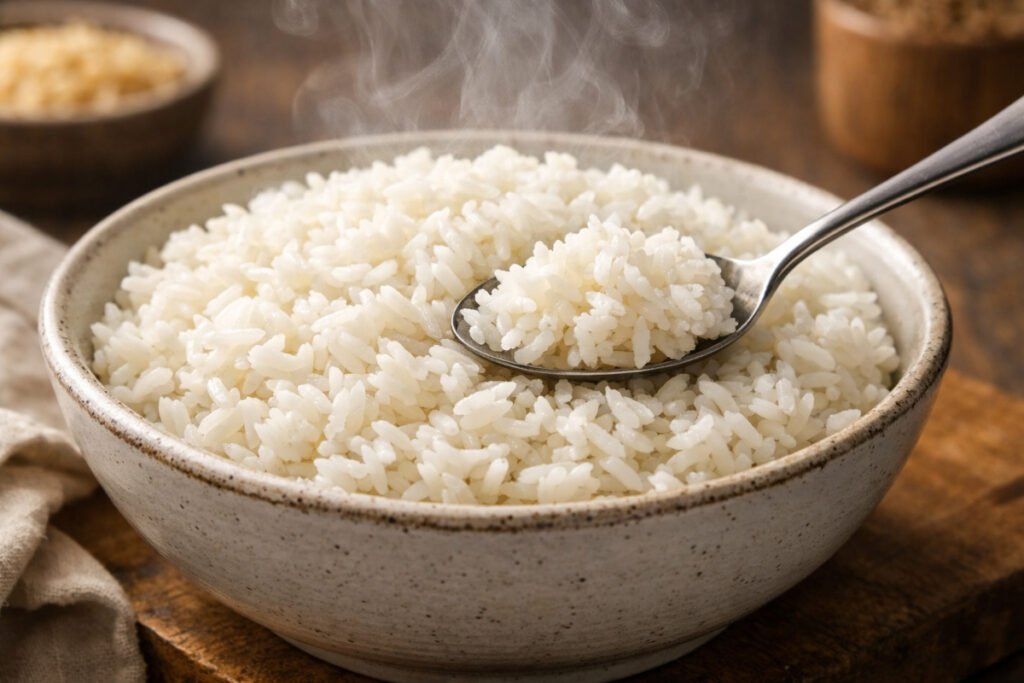
Rice is one of the most common side dishes in the world—but it’s also one of the easiest to mess up.
Too much water? Mushy.
Too little? Dry and undercooked.
The good news is that perfect rice comes down to a few simple rules. Once you understand the right ratios, timing, and techniques, you can cook fluffy, tender rice every time—no guesswork needed.
In this guide, you’ll learn how to cook rice perfectly using simple methods, along with a breakdown of 12 different types of rice and how to prepare each one for the best results.
Once you master these basics, you can build quick and balanced meals using our 30-minute recipes, family dinner ideas, and healthy recipes. Rice is a staple for meal prep and pairs perfectly with many of our weekly meal plans for easy, budget-friendly dinners.
Why You’ll Love This Guide
This guide takes the guesswork out of cooking rice and gives you everything you need to get perfect results every time.
- Simple, easy-to-follow rice cooking methods that anyone can master
- Covers 12 different types of rice with exact ratios and cook times
- Helps you avoid mushy, dry, or undercooked rice
- Perfect for beginners and everyday home cooking
- Works for stovetop, rice cooker, and meal prep
- Uses basic ingredients and tools you already have
- Saves time and removes guesswork from cooking rice
Save this Guide for later!
Don’t forget to save this guide so you always have the right rice ratios and cooking times on hand.
Whether you’re making a quick weeknight dinner or prepping meals for the week, this will help you get perfectly cooked rice every time.
Tap the image below to save it to your favorite Pinterest board and come back to it anytime.
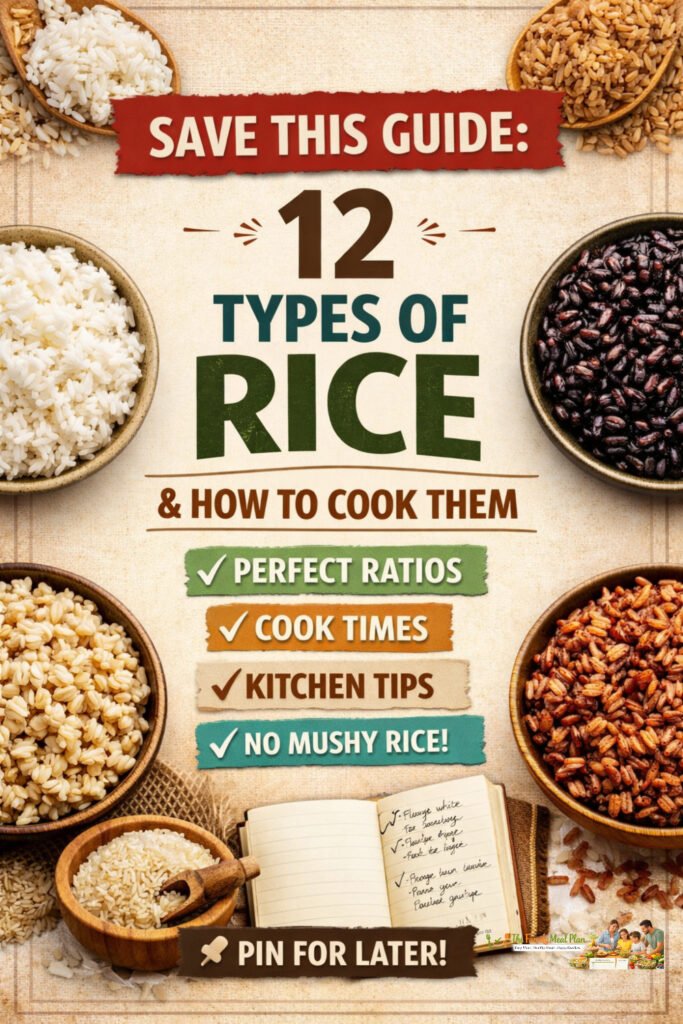
📌Save this Cooking Guide for later!
Click the image to pin it and come back to it anytime you need to plan your week.
The Perfect Rice-to-Water Ratio
White Rice: 1:2 Brown Rice: 1:2.5
Standard Ratios:
- White rice: 1 cup rice → 2 cups water
- Brown rice: 1 cup rice → 2.5 cups water
Getting this ratio right is the #1 key to perfect rice.
Step-by-Step: How to Cook Rice on the Stove
- Rinse rice under cold water until water runs clear
- Add rice and water to a pot
- Bring to a boil
- Reduce to low heat and cover
- Simmer (do not lift lid)
- Remove from heat and let sit 5–10 minutes
- Fluff with a fork
12 Types of Rice and How to Cook Them
Here are 12 of the most common types of rice along with their ideal water ratios and cooking times.
| 12 Rice Types | Cooking Times by Rice Type | Times |
| Rice Type | Water Ratio | Cook Time |
| White Rice | 1:2 | 15–18 min |
| Brown Rice | 1:2.5 | 40–45 min |
| Jasmine Rice | 1:1.75 | 12–15 min |
| Basmati Rice | 1:1.5 | 12–15 min |
| Wild Rice | 1:3 | 45–50 min |
| Arborio Rice (risotto) | 1:4 (gradual) | 18–25 min |
| Sushi Rice | 1:1.25 | 15–18 min |
| Parboiled Rice | 1:2 | 20–25 min |
| Black Rice | 1:2 | 30–35 min |
| Red Rice | 1:2.5 | 35–40 min |
| Short-Grain Rice | 1:1.5 | 15–18 min |
| Medium-Grain Rice | 1:1.75 | 15–20 min |
After reviewing the chart, it helps to understand how each type of rice differs in texture, flavor, and best uses. Below is a closer look at all 12 rice types so you can choose the right one for your meals and cook each one perfectly.
12 Most Common Types of Rice
White Rice
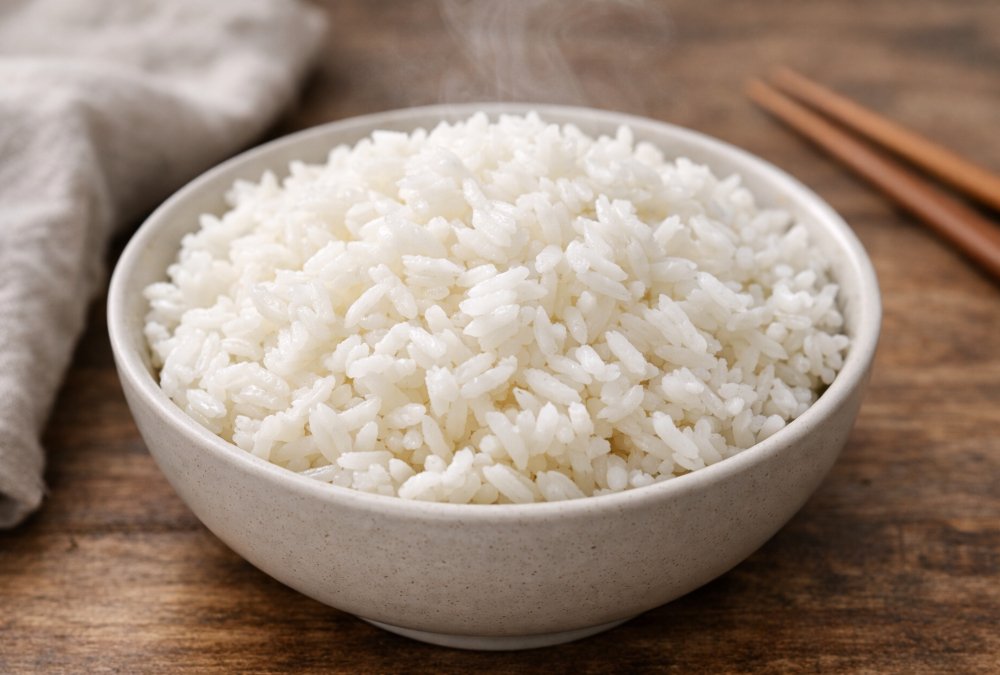
- The most common and versatile rice
- Mild flavor, soft texture
- Cooks quickly and pairs with almost anything
- Great for everyday meals and family dinners
Best Uses: Side dishes, rice bowls, meal prep
Brown Rice
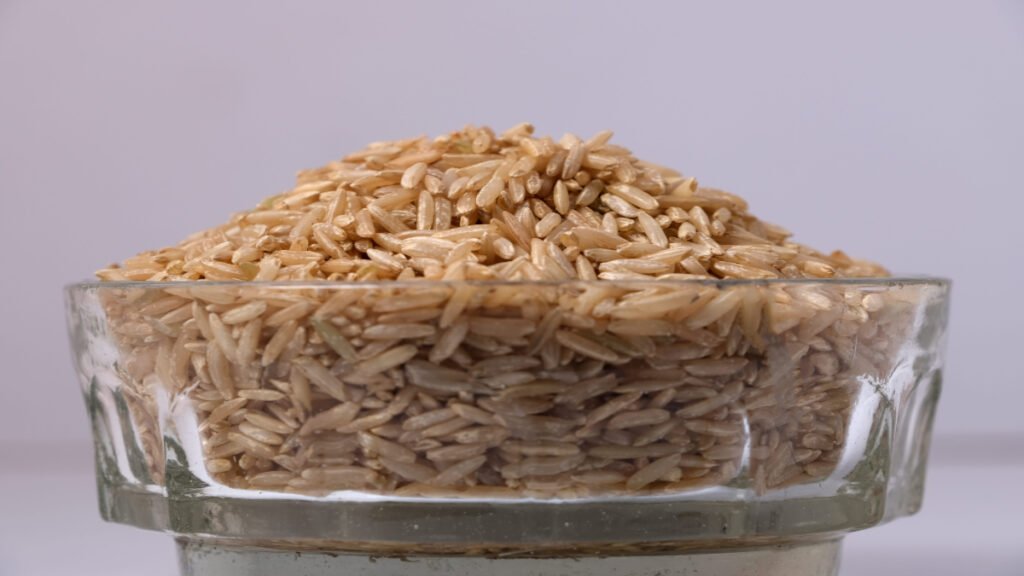
- Whole grain with outer bran layer intact
- Higher in fiber and nutrients
- Slightly chewy texture and nutty flavor
- Takes longer to cook than white rice
Best Uses: Healthy meals, meal prep, grain bowls
Jasmine Rice
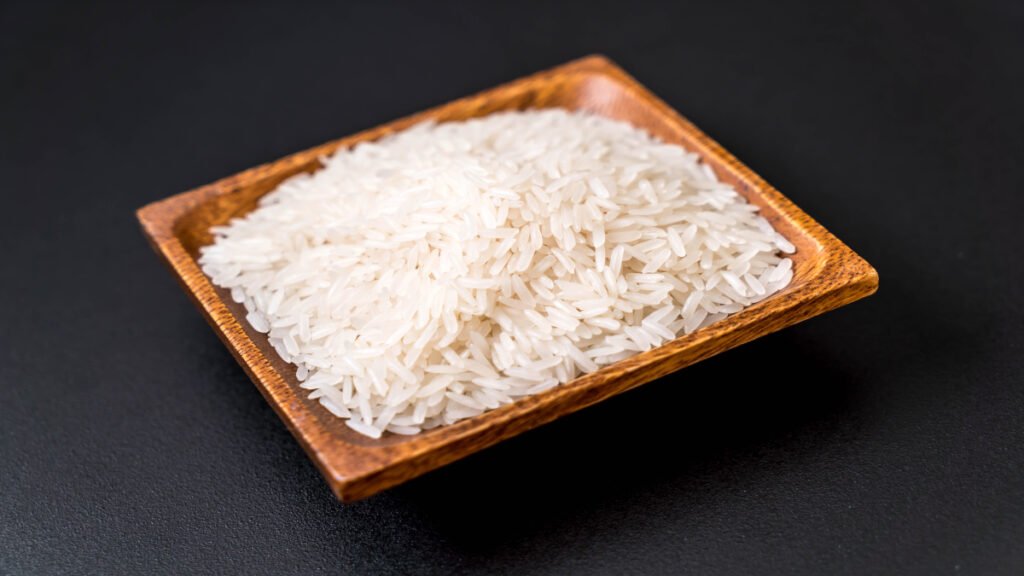
- Long-grain rice with a light floral aroma
- Soft, slightly sticky texture when cooked
- Common in Thai and Southeast Asian dishes
- Cooks quickly and absorbs flavor well
Best Uses: Stir-fries, rice bowls, quick meals
Basmati Rice
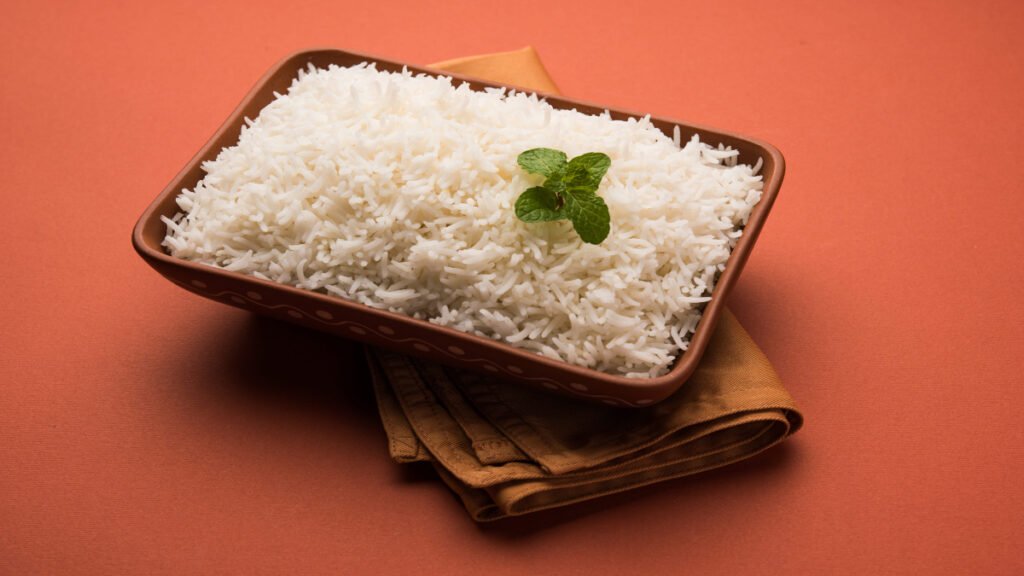
- Long, slender grains that stay separate when cooked
- Light, fluffy texture
- Slightly nutty flavor
- Popular in Indian and Middle Eastern cooking
Best Uses: Curry dishes, pilaf, seasoned rice
Wild Rice
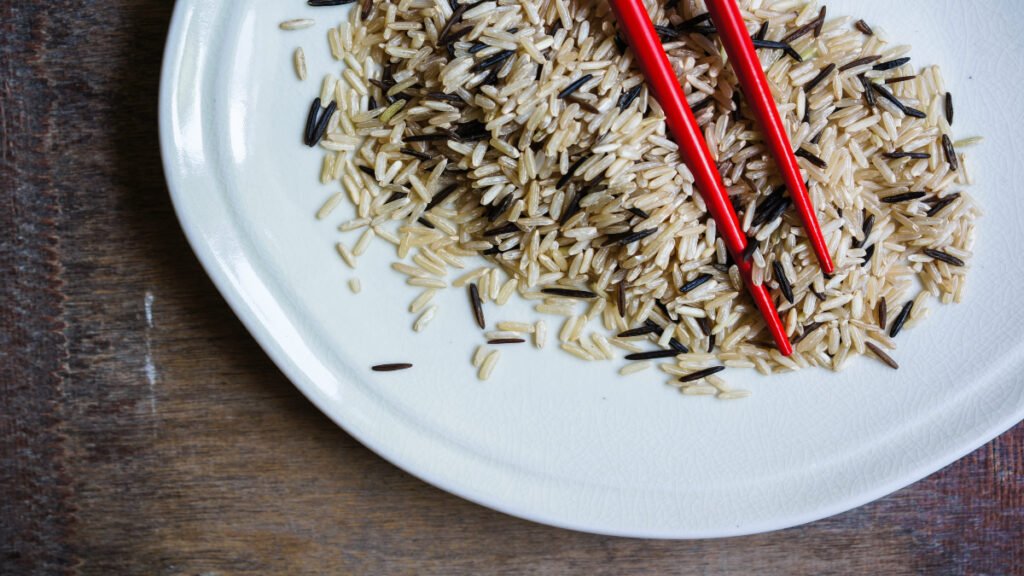
- Not a true rice, but a nutrient-rich grass
- Firm, chewy texture with a nutty flavor
- Longer cooking time than most rice varieties
- Holds its shape well in mixed dishes
Best Uses: Grain bowls, hearty side dishes, soups
Arborio Rice (Risotto)
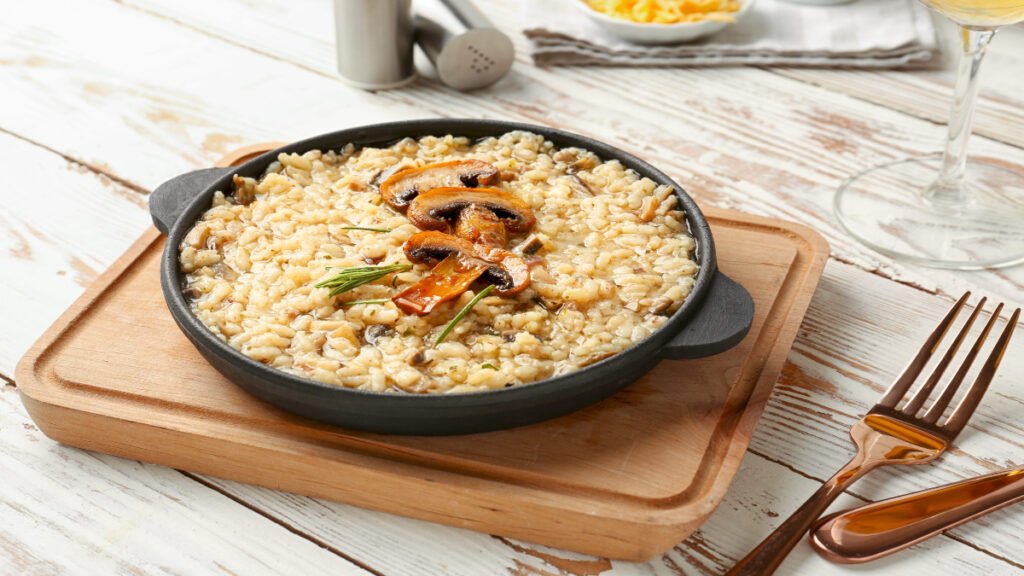
- Short-grain rice with high starch content
- Creates a creamy texture when cooked
- Absorbs liquid gradually for rich dishes
- Requires stirring during cooking
Best Uses: Risotto, creamy rice dishes
Sushi Rice
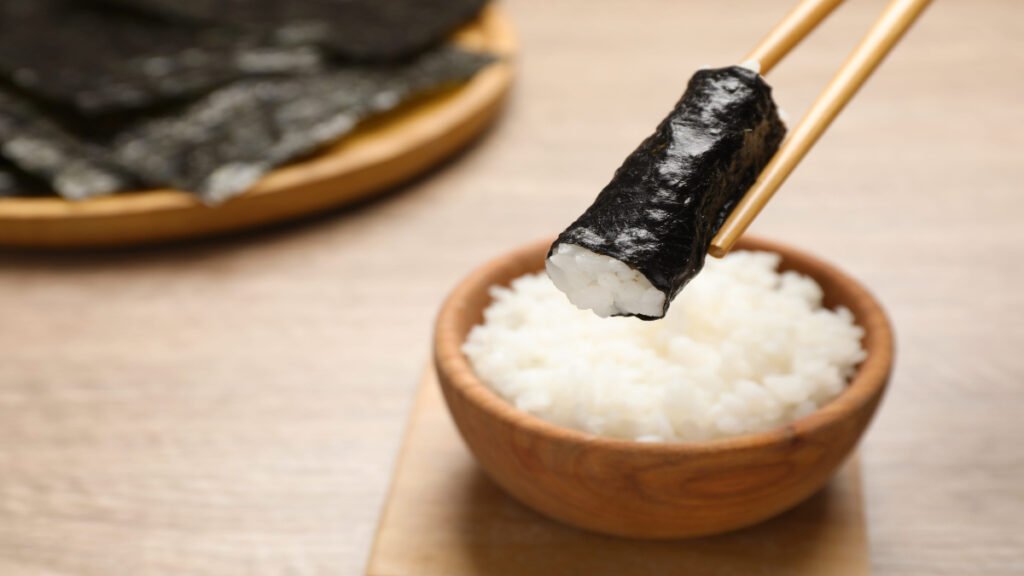
- Short-grain rice with a sticky texture
- Slightly sweet when seasoned
- Clumps together easily for shaping
- Must be rinsed well before cooking
Best Uses: Sushi rolls, rice bowls, poke bowls
Parboiled Rice
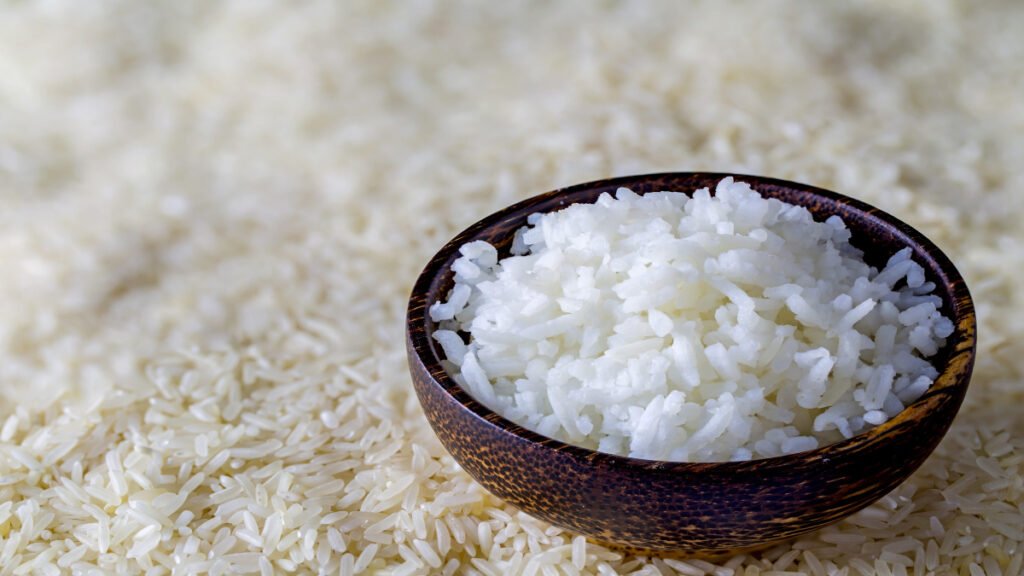
- Pre-steamed before processing
- Firm texture with separate grains
- Less sticky than white rice
- Retains nutrients better than regular white rice
Best Uses: Meal prep, casseroles, batch cooking
Black Rice (Forbidden Rice)
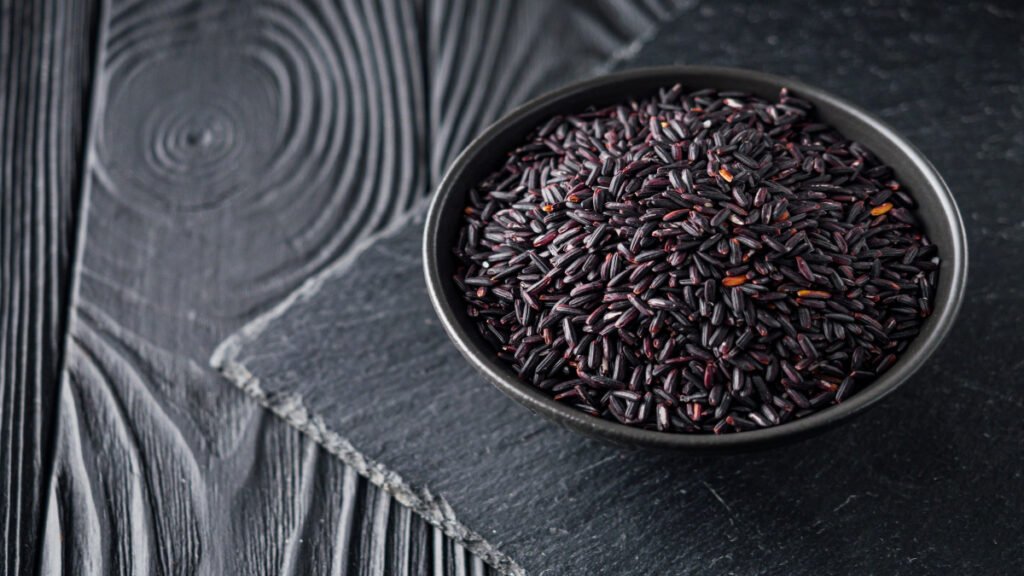
- Dark purple-black color when cooked
- Slightly sweet, nutty flavor
- High in antioxidants
- Becomes slightly sticky in texture
Best Uses: Healthy bowls, side dishes, specialty meals
Red Rice
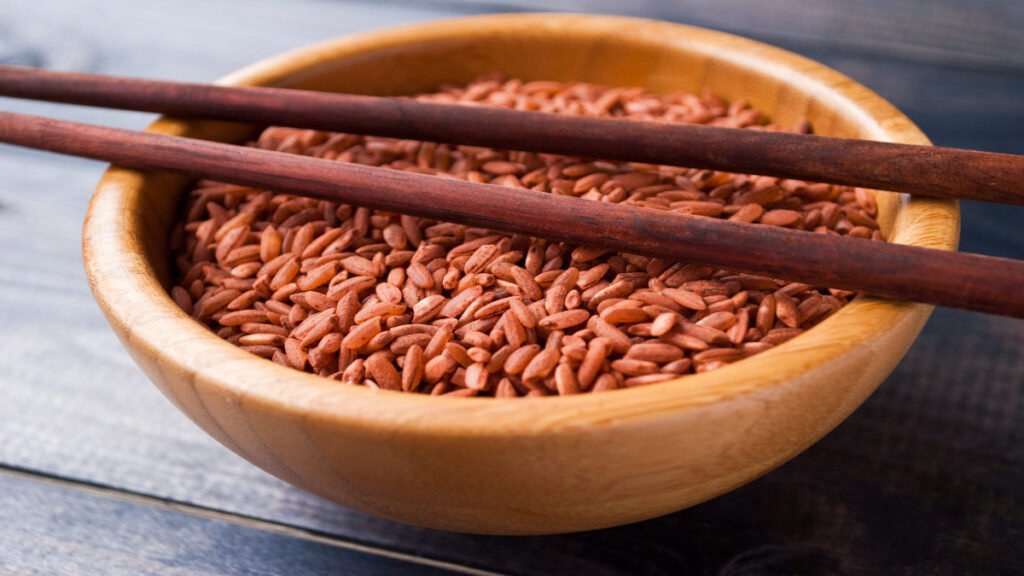
- Earthy, nutty flavor
- Higher fiber content than white rice
- Firm texture that holds up well
- Slightly chewy when cooked
Best Uses: Healthy meals, grain bowls, side dishes
Short-Grain Rice
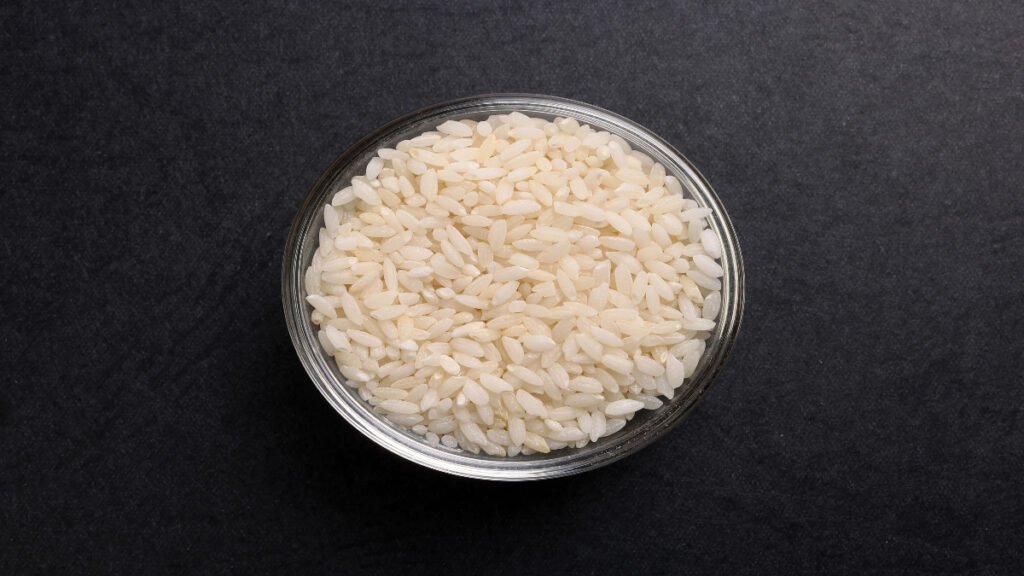
- Soft and sticky when cooked
- Grains clump together easily
- Absorbs moisture well
- Common in many Asian dishes
Best Uses: Rice bowls, sushi-style dishes, sticky rice recipes
Medium-Grain Rice
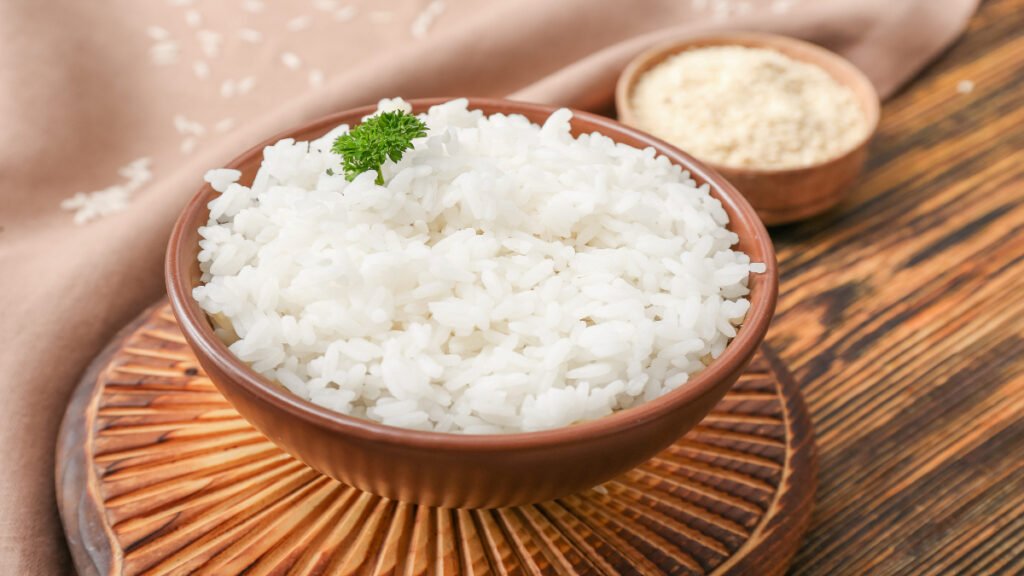
- Slightly sticky but still fluffy
- Balanced texture between short and long grain
- Versatile for a wide range of dishes
- Holds moisture without becoming mushy
Best Uses: Everyday meals, casseroles, rice pilaf
3 Foolproof Ways to Cook Rice
1. Stovetop Method (Most Common)
- Best for everyday cooking
- Requires attention to timing
- Great control over texture
2. Rice Cooker (Easiest Method)
- Set it and forget it
- \Automatically shuts off
- Perfect for beginners
3. Instant Pot (Fastest Method)
- Faster than stovetop
- Consistent results
- Great for meal prep
Pro Tips for Perfect Rice
- Always rinse rice to remove excess starch
- Keep the lid on while cooking
- Use low heat after boiling
- Let rice rest before fluffing
- Use a fork—not a spoon—to fluff
Common Mistakes to Avoid
- Lifting the lid while cooking
- Using too much water
- Skipping the resting step
- Stirring rice while it cooks
How to Store & Reheat Rice
Storage:
- Refrigerate up to 4 days
- Freeze up to 2 months
Reheating:
- Add 1–2 tablespoons of water
- Cover and microwave
- Stir halfway through
What to Serve with Rice
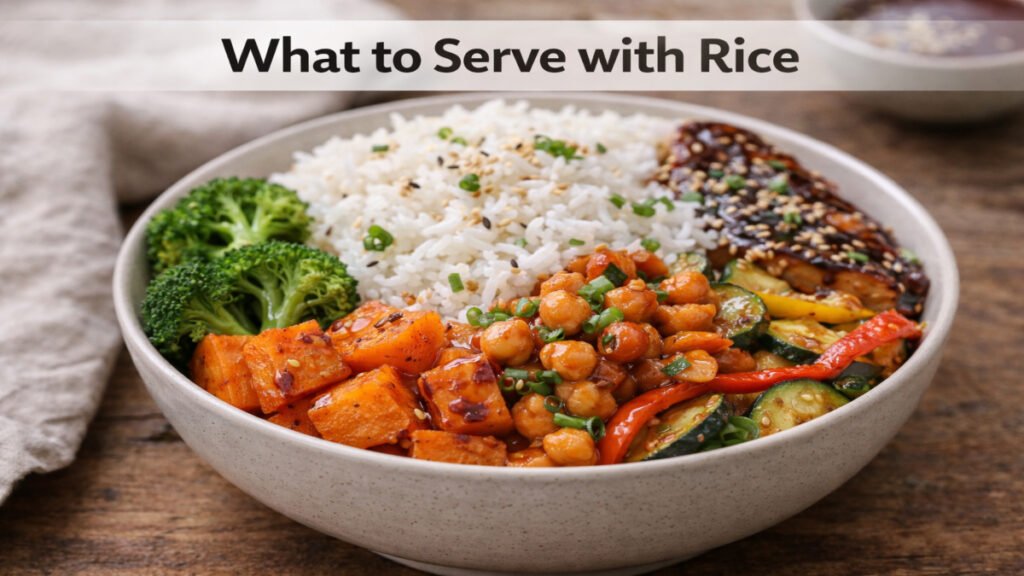
Rice pairs perfectly with:
- Stir-fries
- Roasted vegetables
- Beans and legumes
- Saucy dishes and skillet meals
Frequently Asked Questions
How do I cook rice so it isn’t mushy or dry?
Use the correct water-to-rice ratio and avoid lifting the lid while it cooks. Let the rice rest for 5–10 minutes after cooking, then fluff with a fork. This helps absorb any remaining moisture and creates a light, fluffy texture.
What is the best rice-to-water ratio?
The most common ratio is 1 cup uncooked rice to 2 cups water for white rice. Brown rice typically uses 1:2.5, while other types like jasmine and basmati use slightly less water. Always adjust based on the rice type.
Do I need to rinse rice before cooking?
Yes, rinsing uncooked rice removes excess starch, which helps prevent it from becoming sticky or clumpy. This is especially important for white, jasmine, and basmati rice.
How long does rice take to cook?
Cooking time depends on the type of rice. White rice usually takes 15–18 minutes, while brown rice can take 40–45 minutes. Specialty rice types may vary, so it’s best to follow the recommended times in this guide.
What are the different types of rice?
There are many types of rice, but the most common include white, brown, jasmine, basmati, sushi rice, wild rice, arborio, parboiled, black, red, short-grain, and medium-grain rice. Each type has different textures, flavors, and cooking methods.
Can I cook all types of rice the same way?
The basic method is similar, but water ratios and cooking times vary by rice type. Some types, like arborio rice, require gradual liquid addition, while others, like sushi rice, need rinsing and specific preparation techniques.
How do I store cooked rice?
Let rice cool completely, then store it in an airtight container in the refrigerator for up to 4 days. For longer storage, freeze it in portions for up to 2 months.
What’s the best way to reheat rice without drying it out?
Add a small amount of water (1–2 tablespoons), cover the rice, and reheat gently in the microwave or on the stovetop. This helps restore moisture and keeps the rice soft.
You May Also Like
- How to Meal Prep for the Week (Beginner Guide)
- 10 Time-Saving Cooking Hacks for Busy Families
- How to Build a Balanced Family Dinner